It started one foggy morning in late October. I laced up my trainers, slipped on my headphones, and hit the pavement for what should’ve been a refreshing solo jog. Ten minutes in, I slowed. Fifteen minutes in, I stopped for “just a stretch.” Twenty minutes later, I was scrolling brunch ideas on my phone while sitting on a park bench. That morning, I learned something essential: my fitness motivation feeds on community. If you’re like me—a lover of group classes—it’s worth asking: what really fuels our drive, and is the buzz of the crowd the secret sauce? Let’s unpack it: Group Classes vs Solo Workouts. What’s better for your mind, motivation, and movement?
The Energy of the Room: Group Classes as a Source of Synergy
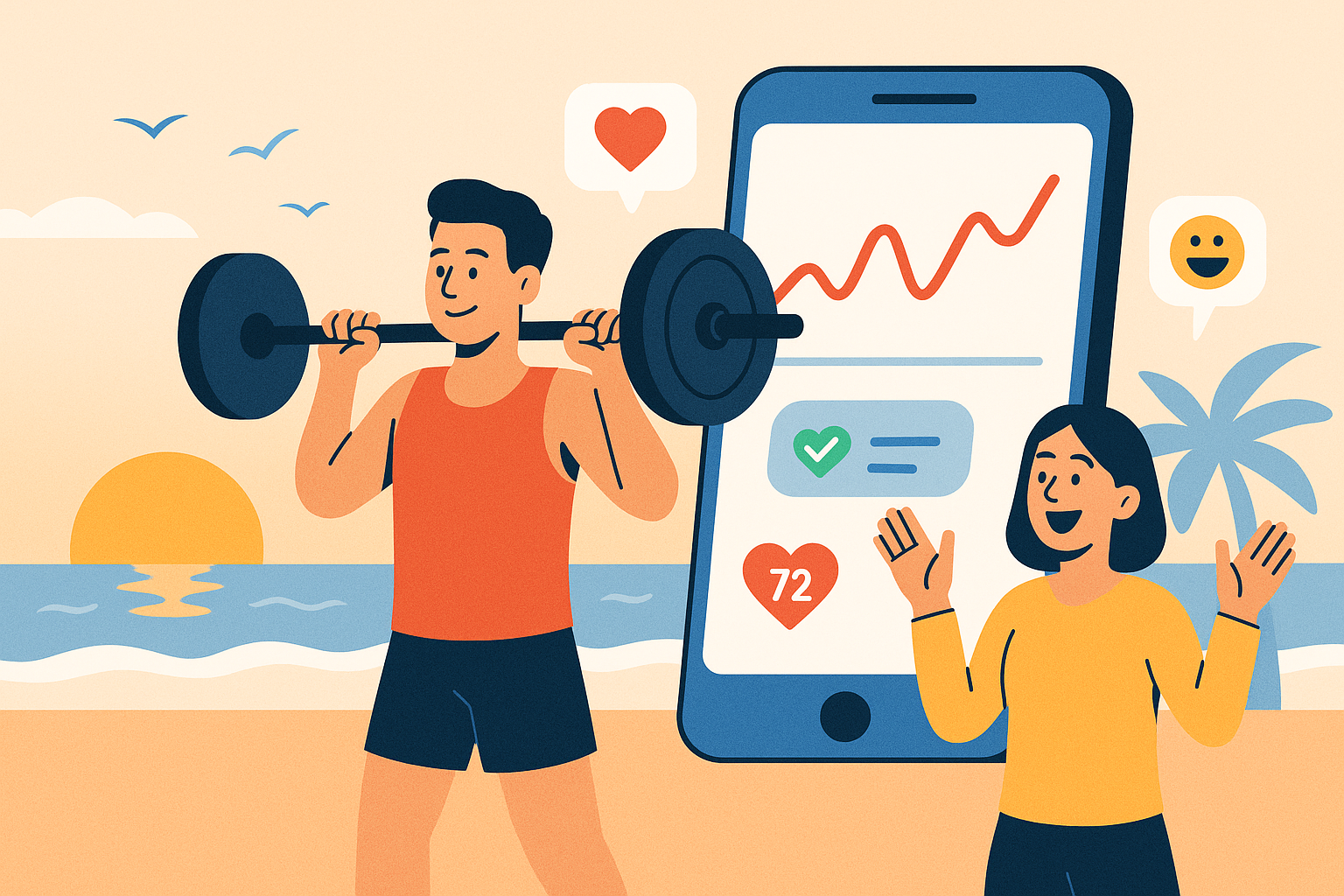
Remember your first group fitness class? The pounding music, heartbeats in sync, the instructor shouting “just ten more seconds!” as sweaty determination electrifies the air? That’s not just hype—it’s science and psychology in action. Group environments feed our desire for connection and accountability. When we see someone beside us push through that last set, we dig deeper ourselves. This is called the Köhler Effect—where we work harder in groups because we don’t want to be the weakest link. And let’s admit it—knowing Sam from cycling class will notice if we skip leg day is its own brand of fitness motivation.
Whether it’s sunrise bootcamps or candlelit yoga flows, group classes create micro-communities. These social networks not only help us show up—they help us grow up into stronger, more disciplined versions of ourselves. Fitgit.me has analyzed trends across thousands of users and found that Group Class Lovers report a 27% higher consistency rate than solo trainers. Coincidence? No. It’s biology and belonging blending beautifully.
Lone Wolf Mode: The Solitude of Solo Sessions
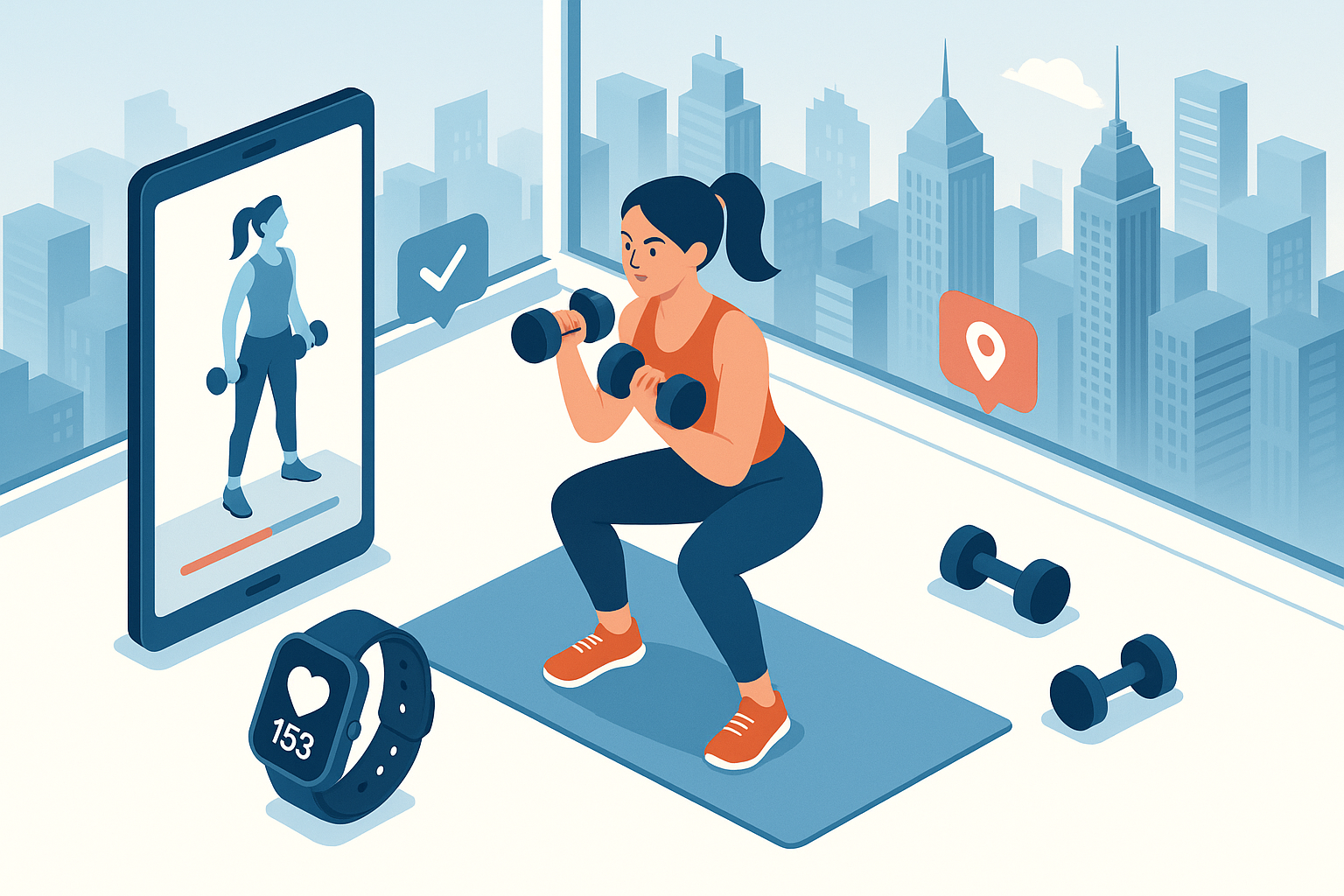
Now let’s flip the mat and spotlight solo workouts. Training alone has its perks—autonomy, flexibility, and intimate focus. Some people thrive when left to their own rhythm. No strobe lights, no playlists curated for mass appeal—just you, your breath, and your beats. For introverts or those with unpredictable schedules, solo workouts offer an efficient and distraction-free path to progress. Meditation in sneakers, if you will.
Take Marcus, for example—a personal trainer and mobility coach who swears by solo sunrise runs to clear his head before his day. “There’s a magic in feeling your own breath guide each stride,” he says. For the self-driven few, solo training offers both meditation and motivation. But according to fitgit.me data, consistency may waver when the sparks of repetition fade. Without the accountability of a group, even seasoned athletes sometimes hit motivational plateaus—and that’s where even the lone wolves may benefit from the occasional pack run.
Mental Benefits: Finding Your Flow State
Let’s zoom into the gray matter—literally. How do these styles affect our minds? Group exercise often triggers the release of endorphins not just from movement, but from connection. Social workouts foster oxytocin, the “bonding hormone,” improving mood and lowering stress. The dynamic of shared struggle builds camaraderie—and an uplifting afterglow of “we did it” that sticks even when the DOMS (Delayed-Onset Muscle Soreness) hits hard.
Solo workouts, however, may bolster mental clarity. They demand internal motivation, which can deepen self-discipline and focus. People who build strong solo routines often develop heightened intrinsic motivation—that quiet fire that burns long after the applause ends. But remember: Internal doesn’t mean isolation. Many solo trainers complement their routines with occasional virtual classes or partner circuits to stay inspired. It’s all about balance.
Practical Takeaways: Mixing Styles for Maximum Impact
The sweet spot? Blend both. Group classes for the hype, motivation, and heart-rate-bursting energy. Solo workouts for the fine-tuning, meditation, and space to listen inward. Here’s a weekly flow that many fitgit.me users embrace:
- Monday: Group strength circuit (hello, accountability!)
- Wednesday: Solo run or yoga (space to breathe)
- Friday: Dance cardio or spin class (energy boost)
- Sunday: Guided solo mobility or stretch session (recovery magic)
This hybrid model not only prevents burnout—it reintroduces novelty, which is a powerful driver of long-term fitness motivation. Keep your body guessing, your brain engaged, and your spirit grounded.
Real Talk: Find Your Why, Then Find Your Tribe
What matters most isn’t the setting—it’s the spark. Whether that comes from locking eyes with your HIIT partner during the final round, or finding your own rhythm in the hush of early morning runs, movement becomes powerful when aligned with purpose. So ask yourself—what fuels you? What format makes you feel seen, held, and hyped?
At the end of the day, group or solo, dance or deadlift—we move to remember we’re alive. And sometimes, we move to remember we’re not alone.
So lace up. Log in. Lean in. And always remember to TTFBs!