In today’s digital age, fitness is no longer just about reps, runs, and calories burned—it’s about understanding the bigger picture of your health. Between work, screens, and self-doubt, many of us chase progress without clarity. But the truth? Technology can help us reconnect—when used wisely. At fitgit.me, we believe that every device, every stat, every step should serve your whole well-being: body and mind.
Start with Why: Reframe Your Digital Fitness Relationship
Before diving into apps and wearables, take a moment to ask *why* you’re tracking. Is it about control or curiosity? The most powerful transformations come from awareness, not obsession. Think of performance tracking as a mirror reflecting your progress—not as a judge. Your fitness tech should help you understand your patterns, not pressure you into perfection.
Take a quiet look at your current habits. Are you tracking daily because you want accountability, or are you checking your stats to relieve anxiety? Aligning your emotional goals (peace, confidence, joy) with your physical goals (weight loss, strength, endurance) creates a healthy feedback loop between mind and movement.
Visualize Your Data, Don’t Drown in It
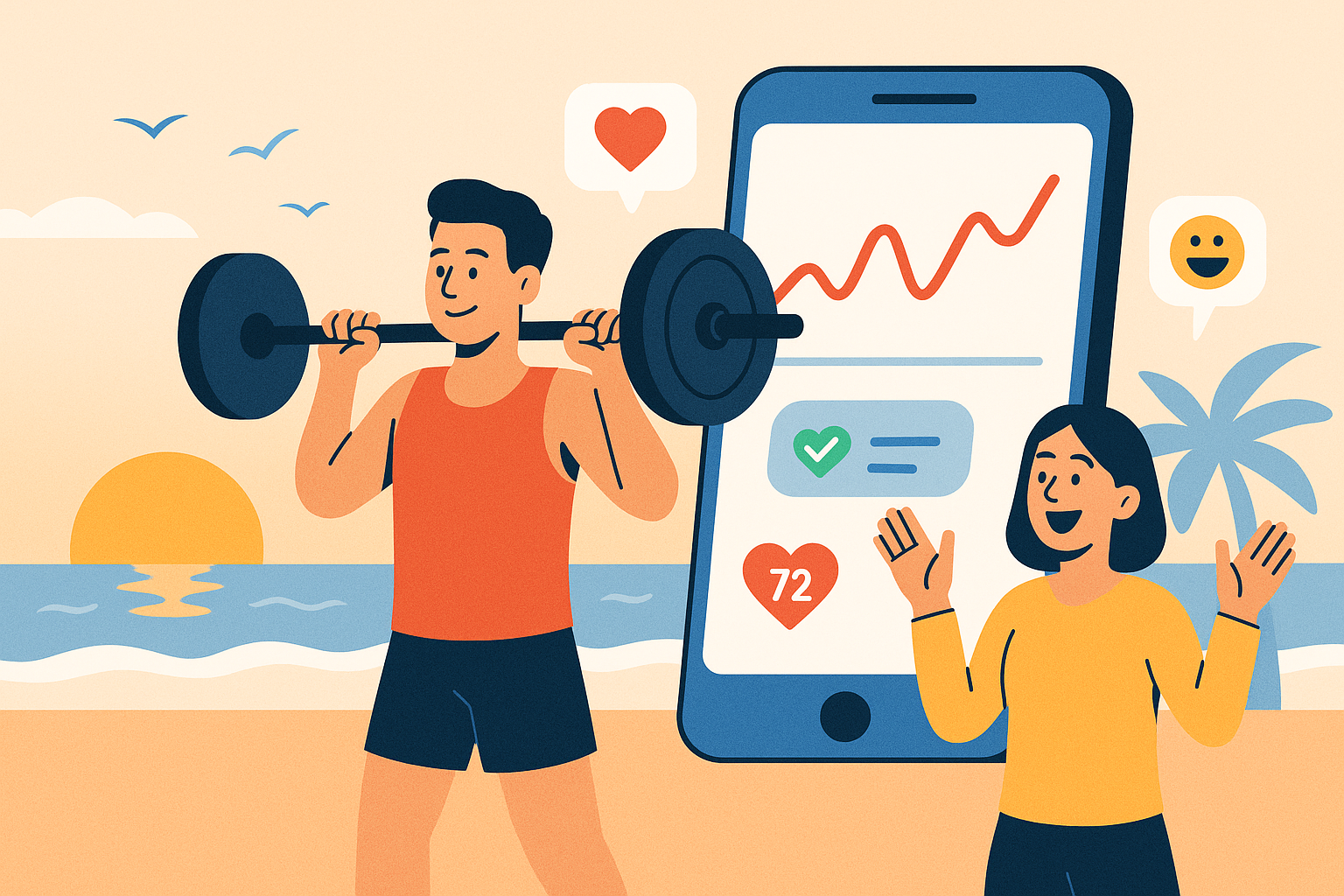
Numbers mean little without meaning. That’s why visual-first tracking tools make such an impact—they transform mountains of data into patterns you can see and feel. Map your sleep cycles against your mood. Watch how your heart rate steadies when you walk outside. At fitgit.me, we love platforms that merge analytics with emotion, letting users connect dots they didn’t know existed.
Try creating your own visual cues: color-code your workouts by energy level instead of intensity, use heatmaps to identify your most productive days, and celebrate visual progress rather than chasing arbitrary targets. Let your dashboard tell the story of your growth, not your guilt.
Sync Your Mindset with Your Metrics
The most underused feature in fitness tech is mindfulness. Many devices offer guided breathing, reflection reminders, or even stress-tracking prompts—but most users swipe past them. Integrate mental metrics into your daily performance tracking: record how you felt before and after a workout, track motivation levels alongside movement, and note when your body resists or responds.
This kind of digital honesty builds emotional endurance. It teaches you that consistency isn’t about never missing a workout, but about learning from fluctuations. Every high and low becomes data you can use, not something to fear.
Choose Tools That Work With You, Not Against You
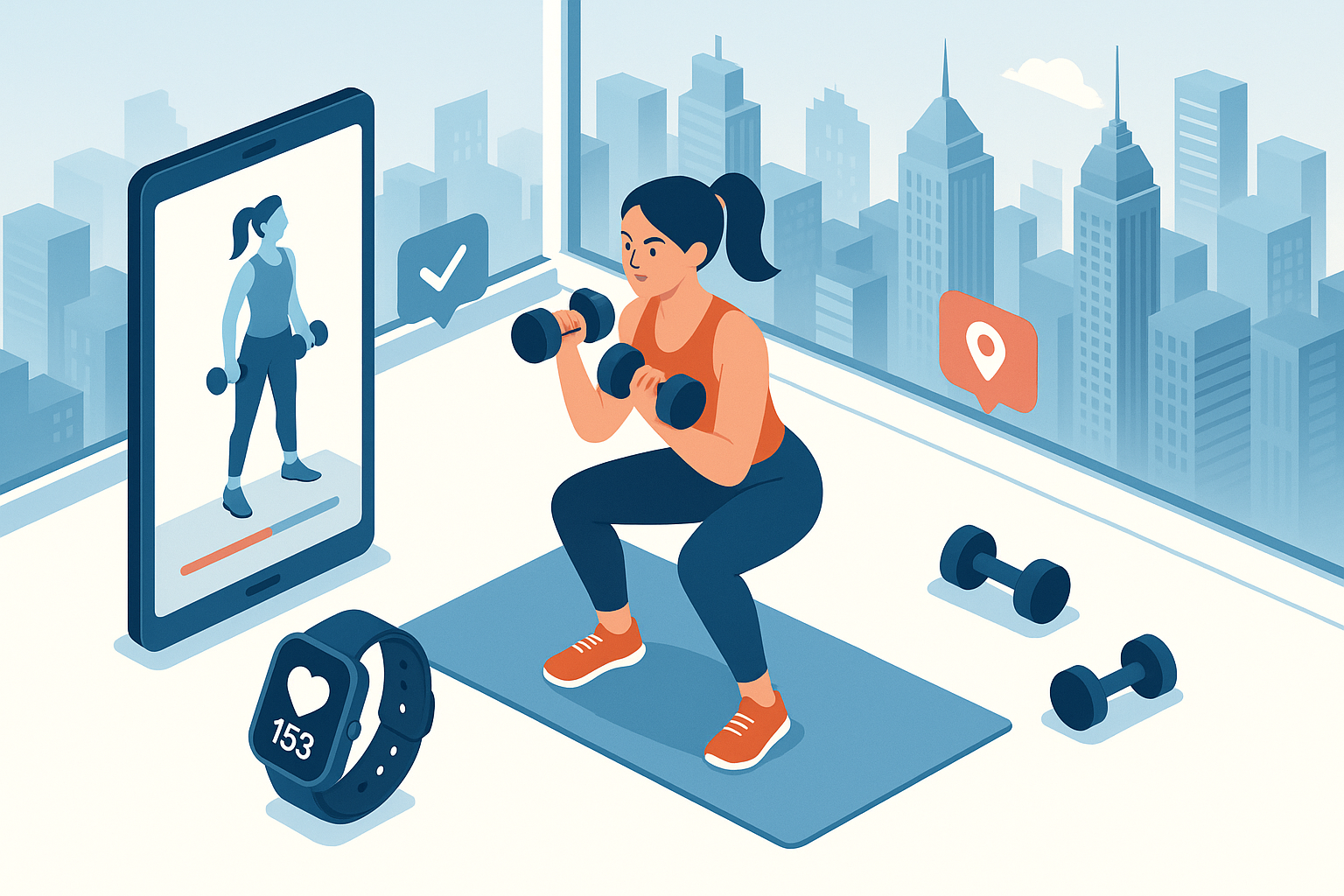
Not every trending app fits your lifestyle. A personalized tech setup beats a flashy one every time. For example, if you struggle with motivation, choose apps with community challenges or positive notifications. If digital noise overwhelms you, pick minimalist tools that focus on reflection over metrics. Your system should feel like a fitness mentor, not a demanding boss.
Remember: the most effective weight loss journeys are not the ones that move the fastest, but the ones that move with intention. Pair your digital check-ins with analog rituals—stretching before your first notification, journaling after you sync your data, or celebrating your rest days as proudly as your PRs.
Reimagine Progress as a Digital Dialogue
Your body speaks through signals—sleep quality, stress patterns, hunger, energy. Your tech simply translates. Don’t just look at what it tells you; respond. Adjust your plan when you notice patterns of fatigue or stress. Use your tools to listen to yourself more deeply. Fitness isn’t a one-way broadcast of effort; it’s a conversation between intention and adaptation.
So the next time your app congratulates you or reminds you to move, treat it as a moment for gratitude—not pressure. You’re not chasing a number. You’re learning your rhythm.
Conclusion: The digital world can either disconnect us from our bodies or guide us back home. The difference lies in how we use it. When you blend insight with intuition, performance tracking becomes a practice of mindfulness—and fitness becomes less about fighting yourself, more about finding balance. Let your screens show you what’s possible, not what’s missing. You’ll find your best self already waiting inside the data.
Always remember to TTFBs!!!