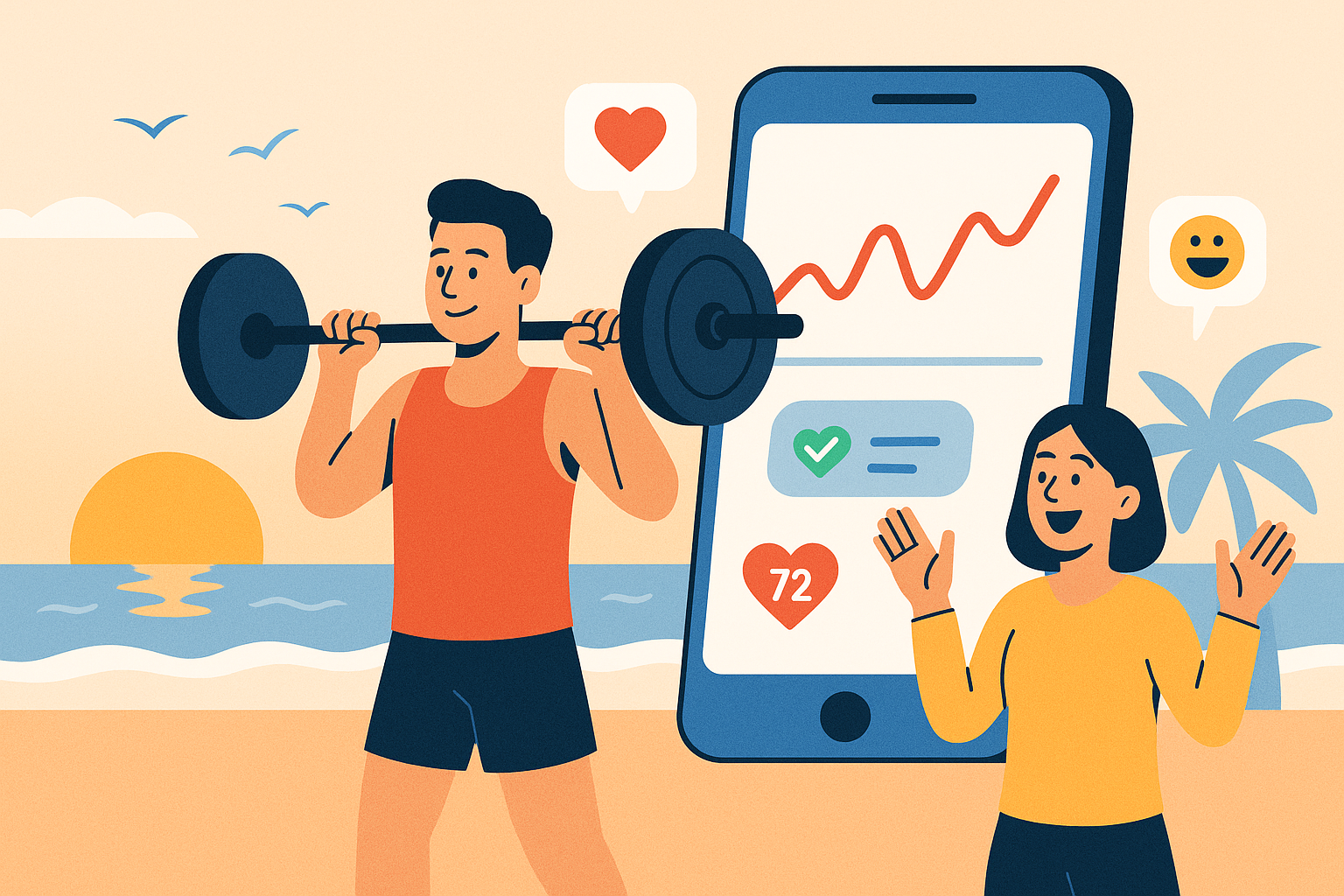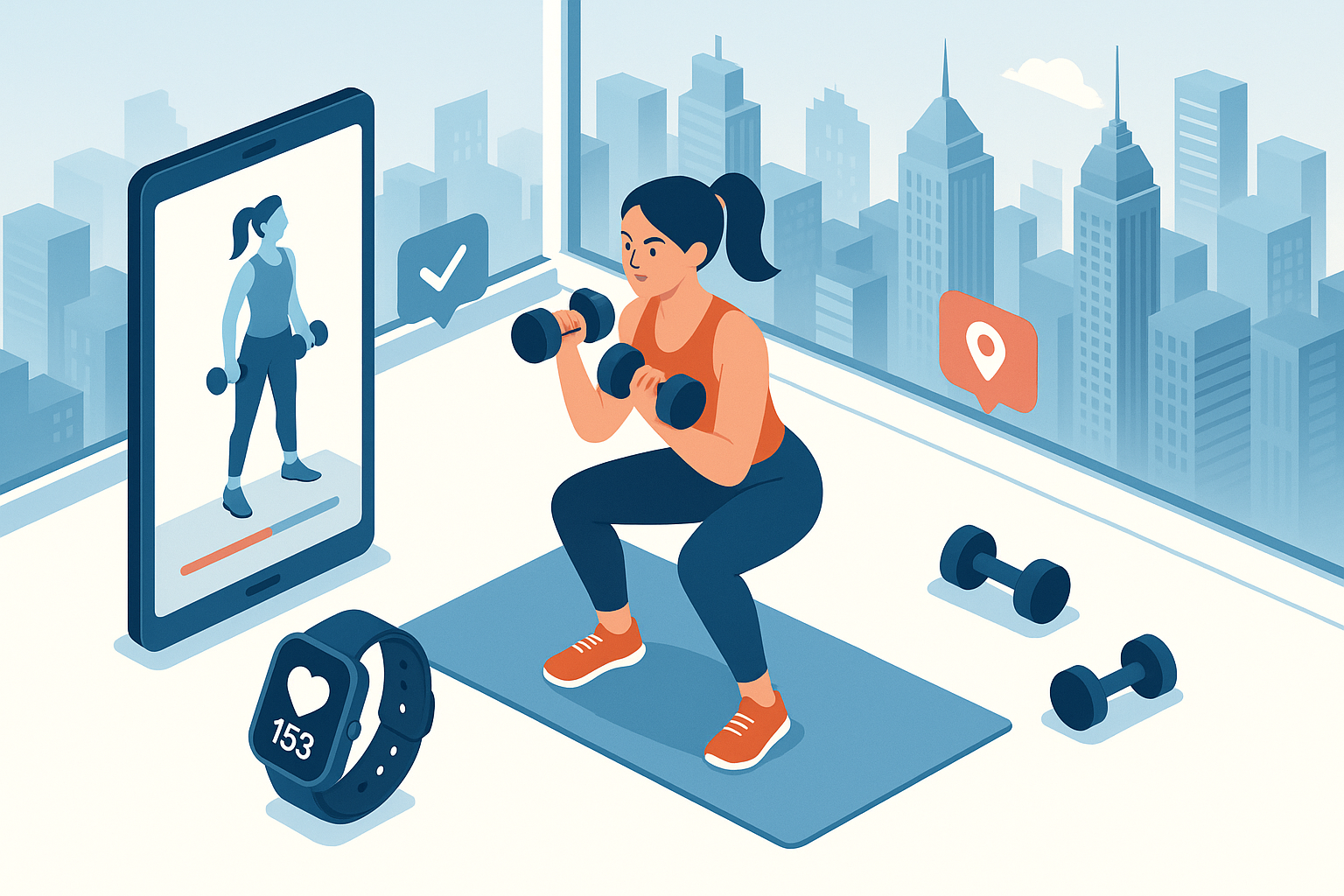
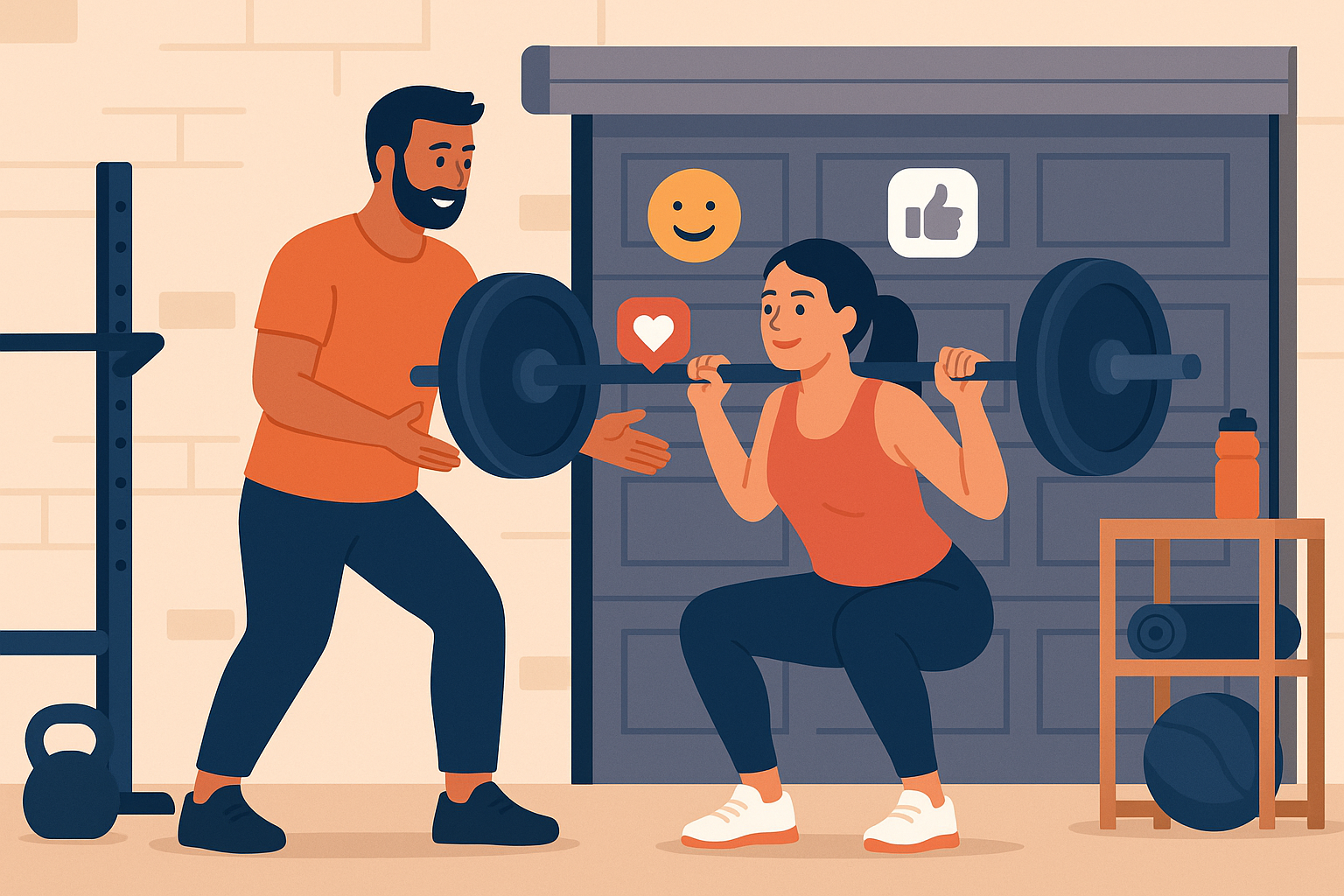
Sometimes the biggest barrier to wellness isn’t lack of motivation—it’s misinformation. As a society wrapped in algorithms, step trackers, and smart fridges, we’re constantly bombarded with content promising fast results and flawless routines. But what if I told you that most of those “quick fixes” are the true obstacles to your progress? At fitgit.me, we believe wellness should be accessible to everyone, no matter your background, budget, or bandwidth. This post is for you—the weight loss seeker who’s tired of myths, ready for balance, and open to building habits that actually last. Let’s dive into the truth behind some of the biggest wellness misconceptions in the digital world.
Myth #1: “You Need to Go All In or Not at All”
We love extremes. The “start Monday,” “no excuses,” “burn it all off” mindset. It feels powerful at first—but it’s not sustainable. Here’s the truth: you don’t need an all-or-nothing approach to transform your life. You need consistent micro-actions. Five-minute walks, mindful bites, swapping screen time for fresh air—these are the quiet catalysts for lasting change. At fitgit.me, we emphasize how your wellness data—the small daily metrics—show trends over time. One day of missed workouts doesn’t erase your progress; it adds to your data story. Balance beats burnout, every single time.
Myth #2: “Technology Makes Us Less Healthy”
It’s common to blame screens for poor health habits, and yes, excessive scrolling can drain us. But here’s a different perspective: what if your devices could become your allies in wellness? In the digital industry, there’s a growing movement toward mindful tech use—apps that prioritize movement reminders, breathing prompts, or data dashboards that actually reflect your lifestyle patterns. By turning our wellness data into learning tools rather than judgment tools, we can reclaim technology’s positive potential. It’s not the tool that defines health, it’s how we use it.
Myth #3: “Weight Loss Requires Extreme Restriction”
Restriction is a short-term illusion. It may show results on the scale, but it rarely builds a healthy relationship with food or self. Instead, think of wellness as a form of self-respect rather than self-punishment. Your body needs nourishment, your mind needs kindness, and your routine needs flexibility. The caring tone isn’t just “feel-good” advice—it’s science-backed support for motivation. Tracking your wellness data helps you notice positive trends even when the scale doesn’t move: improved sleep, steadier energy, genuine confidence. These are the real markers of sustainable success.
Myth #4: “Motivation Is Everything”
This one’s tricky because motivation feels like the spark of transformation. But motivation alone can’t carry you through busy mornings, emotional days, or late-night cravings. Habit can. Think of habit as your personal autopilot—one that operates quietly beneath your emotional noise. In the digital world, we can use behavior-tracking apps or habit-stacking reminders to make positive actions automatic. When wellness becomes part of your identity rather than something you “do,” motivation becomes a bonus instead of a requirement.
Myth #5: “If It’s Not Perfect, It Doesn’t Count”
This myth crushes more health journeys than junk food ever could. We live in a culture of comparison fueled by highlight reels—perfect morning routines, flawless gym selfies, meticulous meal preps. But real life is messy and nonlinear. Every imperfect choice that leans toward wellness still counts. A half-workout is a workout. A conscious deep breath instead of a stress snack is progress. Perfection isn’t the goal—presence is. fitgit.me celebrates progress in all its shapes because every data point of effort adds up to meaningful change.
Myth #6: “Only Professionals Understand Wellness Data”
Numbers can feel intimidating: calories, macros, steps, heart rates… But your wellness data isn’t meant to overwhelm you—it’s meant to empower you. With the right approach, anyone can interpret data trends. Did you sleep better on days you took evening walks? Does hydration influence your mood or focus? This is where the digital industry shines: democratizing access to data and translating it into personal insights. You don’t need a doctorate to understand your patterns; you just need curiosity and consistency. That’s how data becomes a mirror, not a mystery.
Myth #7: “Wellness Is a Solo Journey”
The digital era has given us new ways to connect—but it can also trick us into isolation when we feel we’re “not enough.” Community is a crucial, often overlooked component of wellness. Sharing progress, struggles, and small wins with others who care reminds you that transformation isn’t linear—it’s shared. Platforms like fitgit.me encourage collective accountability, where your wellness data isn’t about comparison but connection. The more we support each other, the stronger our habits become.
Building Habits That Stick: The FitGit Framework
Let’s be practical. What makes habits stick? The same way patterns in the digital industry do—through iteration. You test, measure, tweak, and repeat. Begin by identifying one small, repeatable behavior that connects to an existing routine. For example, checking your wellness data each morning when you unlock your phone. Attach wellness to what’s already habitual. Then, celebrate consistency over scale. The longer your data trail gets, the easier it becomes to identify what truly works. What matters most isn’t speed—it’s sustainability.
Make it rewarding. Measure not only the external metrics but also the internal metrics: energy, confidence, peace of mind. At fitgit.me, we’re focused on bringing heart-led wellness into a data-driven world—because numbers alone don’t define you, but understanding them can set you free.
Conclusion: The Truth About Transformation
Building wellness habits that last isn’t about fighting yourself—it’s about befriending your process. When you release the myths of perfection, restriction, and all-or-nothing thinking, you open up room for compassion, awareness, and real results. Wellness doesn’t belong only to athletes, influencers, or biohackers—it belongs to everyone. You deserve a journey that honors both your humanity and your data. So, next time you track, journal, or simply take a deep breath, remember this: progress happens in pixels, patterns, and patience. You don’t have to do it all today; you just have to start, and keep going with care.
Always remember to TTFBs!!!