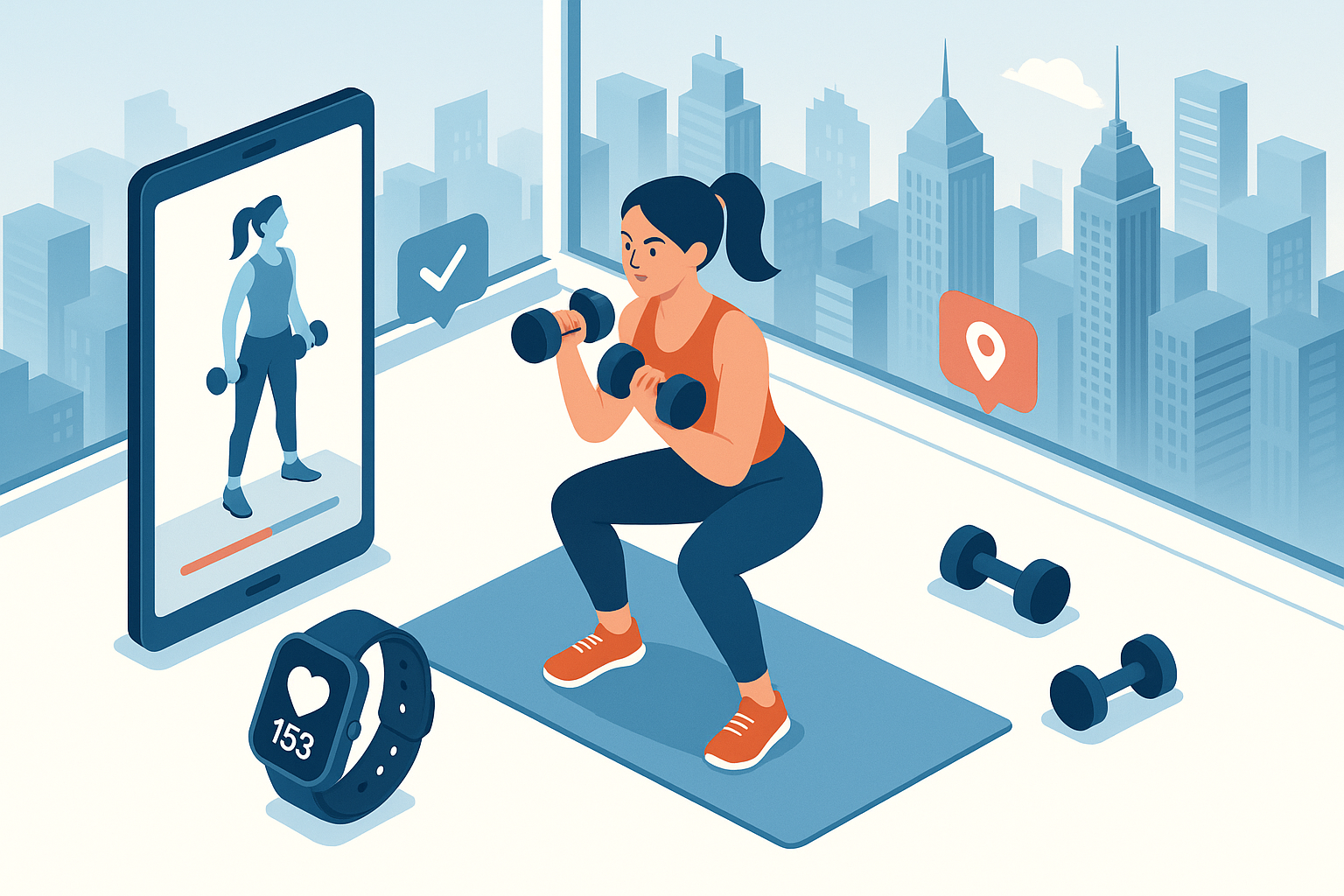

Recovery from injury is more than just healing bones, muscles, or joints—it’s about rebuilding confidence, reclaiming independence, and learning to thrive in your body again. For those of us navigating recovery, the idea of going to a bustling gym can feel more intimidating than empowering. But here’s the good news: fitness and healing don’t require fluorescent lights or rows of machines—you can recover and build strength right from your living room. At fitgit.me, we believe that tracking your progress and staying accountable is just as important as the exercises themselves. Welcome to your beginner’s guide to recovery, nutrition, and movement—no gym required.
Why an Exercise Journal is Your Best Recovery Partner
During physical recovery, progress can be slow, sometimes frustratingly so. It’s easy to forget how far you’ve come when every step feels like a small one. That’s where an exercise journal changes everything. Writing down your daily movements, mindset, nutrition, and pain levels not only keeps you accountable—it creates a trail of evidence. Each entry becomes a marker of resilience.
At fitgit.me, we’ve found that injury recovery patients who consistently record their recovery routines are more likely to stay motivated and avoid re-injury. Your exercise journal can be digital (hello, spreadsheets and apps!) or physical (good old-fashioned notebook). Just make sure you use it. Include things like:
- Exercises completed
- Repetitions and sets
- Energy level before and after
- Nutritional choices that day
- Any aches, pains, or limitations
- Wins—big or small
Over time, this record helps you and your healthcare team understand what’s working and what needs adjusting. It also reinforces a powerful message: you are not standing still.
Recovery-Friendly Movements You Can Do Without a Gym
You might be wondering, “How can I build strength when I’m barely mobile?” or “Isn’t gym equipment required to get better?” Not at all. Recovery fitness is about moving with purpose, not pushing for personal records. Depending on your injury and stage of healing, basic movements done safely at home can go a long way. Always consult your physician or therapist, but here are some beginner-friendly examples:
- Chair-assisted stretches: Great for regaining flexibility while maintaining balance and control.
- Wall push-ups: These help maintain upper-body strength without overloading healing joints.
- Leg lifts (seated or on the floor): A low-impact way to activate your core and lower body.
- Marching in place: Builds circulation, raises your heart rate gently, and helps reestablish rhythm and gait.
- Breathing exercises: Often overlooked but essential. Conscious breathing lowers inflammation and promotes cardiovascular recovery.
Pro tip: Record each of these in your exercise journal. Time yourself, count reps, and note sensations. These details matter more than you think.
The Nutrition Factor: Fueling Your Comeback
When you’re sidelined, it’s tempting to ignore nutrition. After all, you’re not “working out,” right? Wrong. Recovery demands fuel—nutrient-rich, healing fuel. Your body is working overtime to repair cells, rebuild tissues, and reboot systems. Use your journal not just to log movement, but to track what you eat.
Start simple. Aim for foods rich in:
- Protein: To rebuild muscle and speed tissue repair (think eggs, beans, fish, chicken)
- Vitamin C: For collagen production and immune support (citrus, peppers, strawberries)
- Calcium & Vitamin D: To strengthen bones (leafy greens, dairy, fortified almond milk)
- Omega-3s: To reduce inflammation (salmon, chia seeds, flax)
Use your journal to spot patterns. Are certain meals making you feel groggy or bloated? Are there days you skip eating altogether because pain is too distracting? Awareness opens the door to improvement. Healing is never just about moving less—it’s about supporting smarter.
Digital Tools to Keep You Accountable
If writing manually isn’t your thing, lean into the digital space—you’re not alone in this era of remote rehab. FitGit is built on the belief that smart tracking cultivates sustainable recovery. Whether you’re using an app to monitor your range of motion or joining an online community for accountability, the digital tools available today are robust and human-centered.
Start with just one goal per day, record it, and build from there. Then reflect. Your exercise journal is a mirror of your effort and consistency. And with fitgit.me, you can connect your records with a network of support that’s rooting for your comeback.
How to Stay Motivated When Progress Feels Slow
Recovery isn’t linear. There are good days, hard days, and confusing in-betweens. The secret? Anchoring yourself to the simple, honest truth that your effort matters. Progress is happening whether you feel it or not.
Celebrate tiny milestones. Maybe you stood without wincing. Maybe you nailed your breathing routine. Write it down in your exercise journal and reflect on the journey. These mini-victories compound. Each day you show up—no matter how small the step—you’ve won.
And don’t do it alone. Whether it’s through a digital tracker, a phone call with a friend, or an online group for injury recovery, build your mess-with-me tribe. Be human. Be gritty. Be patient.
Final Word: You’re Not Behind
At FitGit, we believe every injury is an invitation—not just to heal flesh and bone but to rediscover strength with presence, compassion, and consistency. Recovery isn’t measured in six-packs or mile-times. It’s about learning to move again with intention—and tracking that process so you can see and trust the transformation taking place.
You don’t need a gym. You need your body, your time, and your intention. Begin with your breath. Move gently. Nourish wholeheartedly. Document everything. And as always—remember to TTFBs!!! (Track The Freakin’ Basics!)