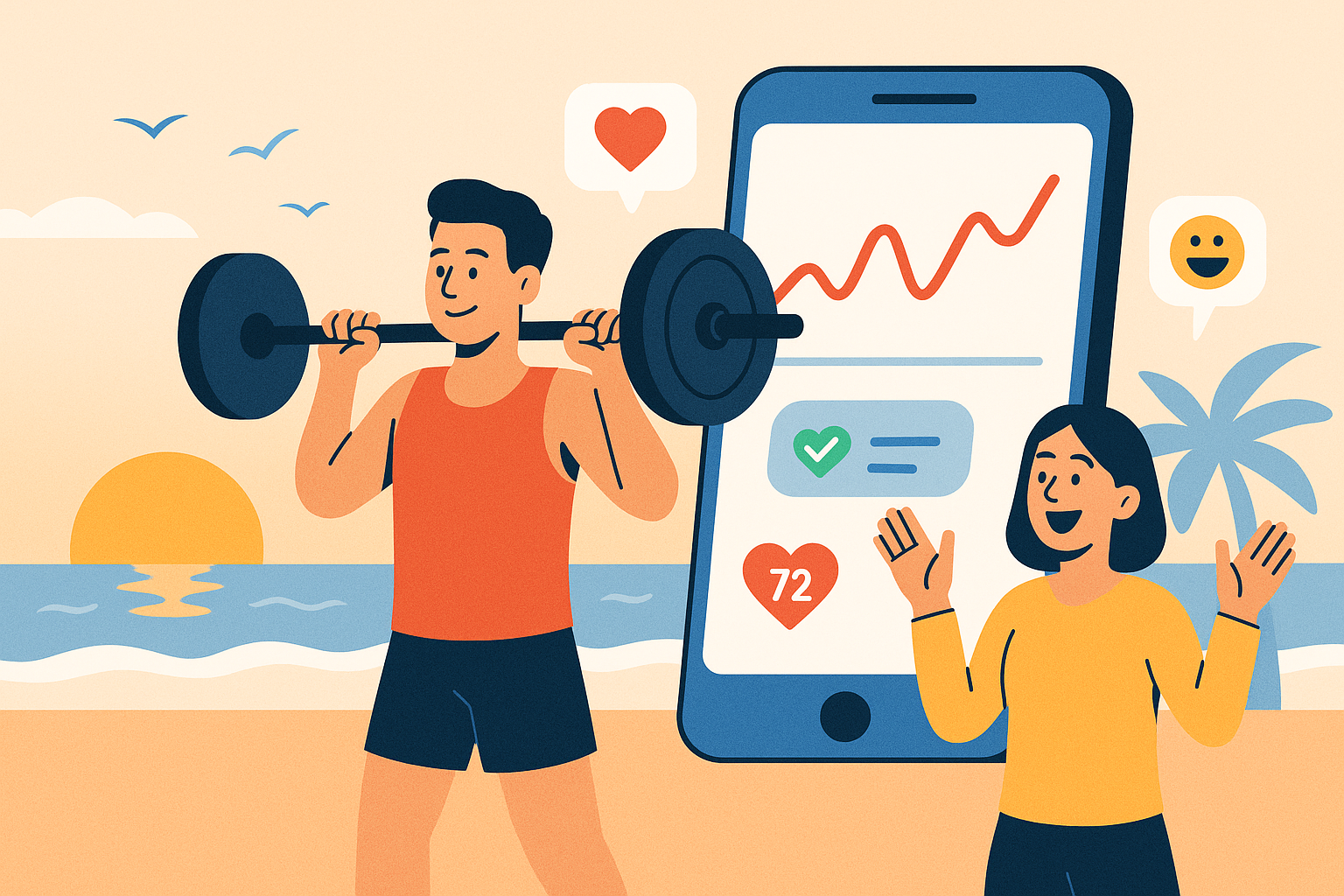

In our relentless pursuit of achieving optimal health and wellness goals, there’s never been a more exciting time to be a home workout fan. What used to take notebooks, calendars, and good old-fashioned memory has now been revolutionized by smart technology—and it’s about time. As a visionary entrepreneur and someone obsessed with pushing personal limits, I’ve dived deep into the newest realm of digital accountability: fitness gear that actually talks back.
The Power of Body Metrics in the Digital Age
Fitness today is about more than reps, sets, or time spent sweating. It’s about understanding your own data. Smart wearables simplify the complexity of body metrics—heart rate variability, oxygen saturation, resting metabolic rate, sleep cycles—and translate them into actionable insights. Products like WHOOP, Fitbit Luxe, or the Apple Watch SE give home athletes a 360-degree view of their bodies in motion and at rest.
As I adopted these tools into my own routine, I discovered a new baseline of what my normal felt like—and how much I’d previously underestimated my recovery needs. This isn’t just information; it’s empowerment, allowing us to fine-tune workouts to align with our biology, not just our ego.
Daily Fitness Accountability Done Right
One of the most underrated challenges of a home fitness regimen is self-accountability. Without a trainer or class to report to, even the most disciplined of us can lose momentum. Smart gear steps into this motivational vacuum like a digital coach that never sleeps.
For instance, the Oura Ring doesn’t just track your sleep—it nudges you when you’re not prioritizing recovery. My Garmin Venu sends me reminders to stretch after long work sessions and gives me a readiness score before workouts. These nudges have become my digital conscience, pushing me to stay on course even when motivation dips.
The ability to see trends—when you’re crushing workouts vs. when your energy lags—helps you course-correct in real-time. This is the very heart of daily accountability: track, learn, improve.
Why Gear Matters in Home Workouts
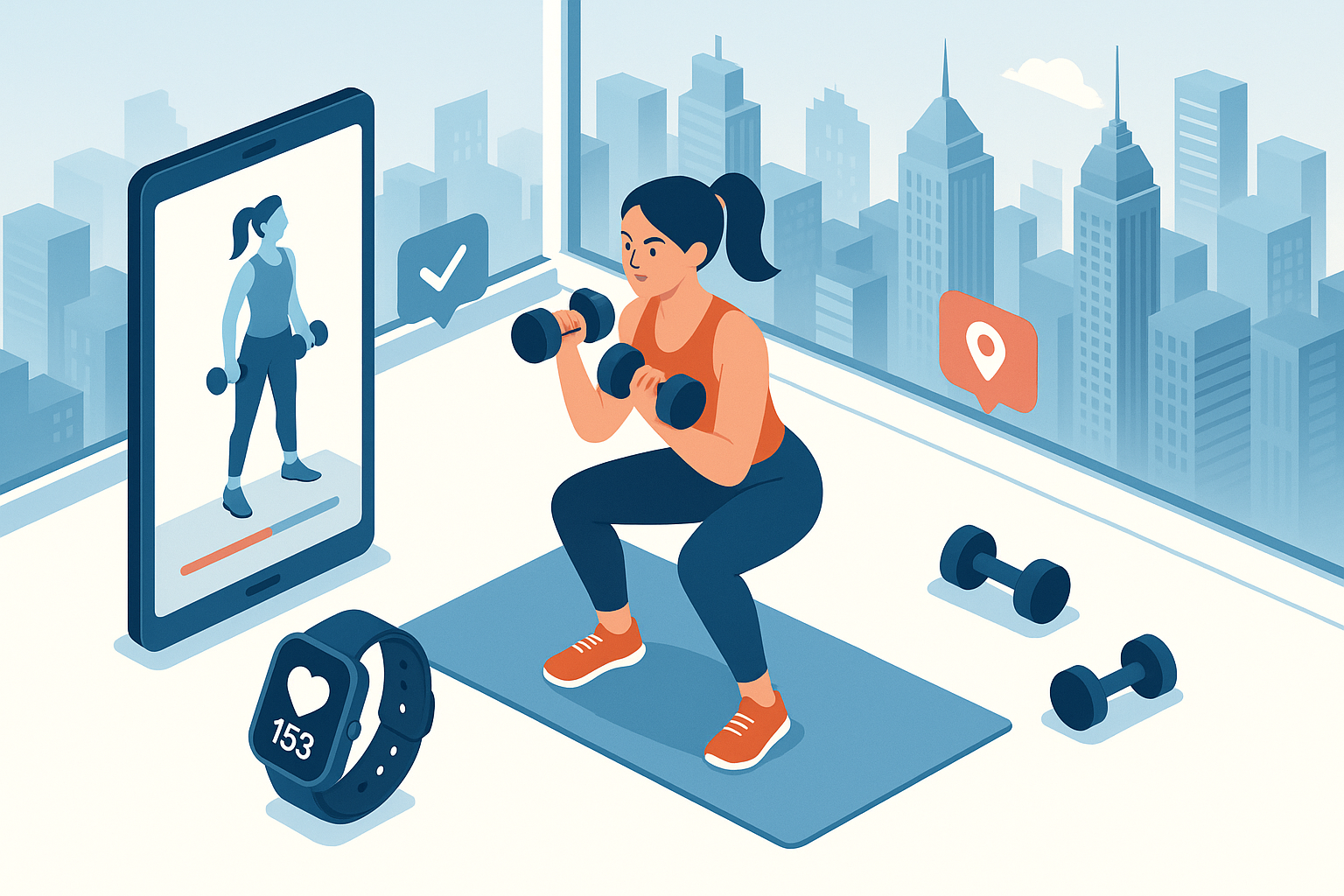
Home workouts bring freedom—but also responsibility. Without structured gym setups or fitness studio mirrors, calibration becomes a guessing game. Using smart gear, though, you gain objectivity. Devices like the JAXJOX KettlebellConnect 2.0 or Mirror by Lululemon make form analysis and data tracking a part of your everyday flow.
I particularly value smart scales like Withings Body+ that sync body composition with my overall goals. When I see daily fluctuations visualized in a graph, it creates a psychological blueprint that motivates consistent meal prepping and active recovery sessions.
Integrating Tech into Your Daily Routine
Consistency breeds results—but convenience makes consistency possible. Any tool that adds friction won’t last, no matter how powerful it claims to be. That’s why integration is key. Most smart gear now syncs seamlessly with platforms like Apple Health, Google Fit, or even FitGit’s own dashboards, making tracking less of a chore and more of a ritual.
My own workflow? Wake up, glance at my readiness score, calibrate my workout plan, and check my hydration levels. This daily review takes five minutes but keeps me laser-focused—and always aligned with my long-term wellness goals.
Choosing the Right Gear for Your Goals
Not all gear is created equal, and not all features matter to everyone. Before buying, ask yourself: Are you looking to improve cardio performance? Sleep quality? Fat loss? Muscle recovery? Your goals should drive your decision.
I recommend starting with one device that aligns with your biggest need. Then expand as you build consistency. Focus creates clarity—and clarity drives transformation.
At the end of the day—not just metaphorically but literally—your gear should not only reflect your effort but enhance it. Let your tools serve your vision, not distract from it.
Conclusion: Turn Data Into Action, Action Into Results
The future of fitness isn’t in more reps—it’s in more awareness. Digital gear brings the mirror closer, showing you not just what you do, but how it affects your biology, mood, and progress over time. When used wisely, these tools build self-discipline and deepen your relationship with wellness.
So if you’re a home workout warrior looking to level up, don’t just sweat—track. Measure. Reflect. Then evolve. The devices may be smart, but your commitment is what makes them powerful.
Always remember to TTFBs!!!