It started with a simple question: how do you stay consistent when motivation fades? Like many digital professionals, I live in a world of dashboards, metrics, and performance indicators. But when it came to my own health and fitness, I realized I’d been avoiding the same level of measurement I use to grow in business. Training for a specific goal — and embracing accountability through digital progress tracking — became a turning point. This post is my check-in recap and the lessons learned while turning data, discipline, and digital tools into a story of transformation.
Lesson 1: Treat Your Body Like a Digital Project
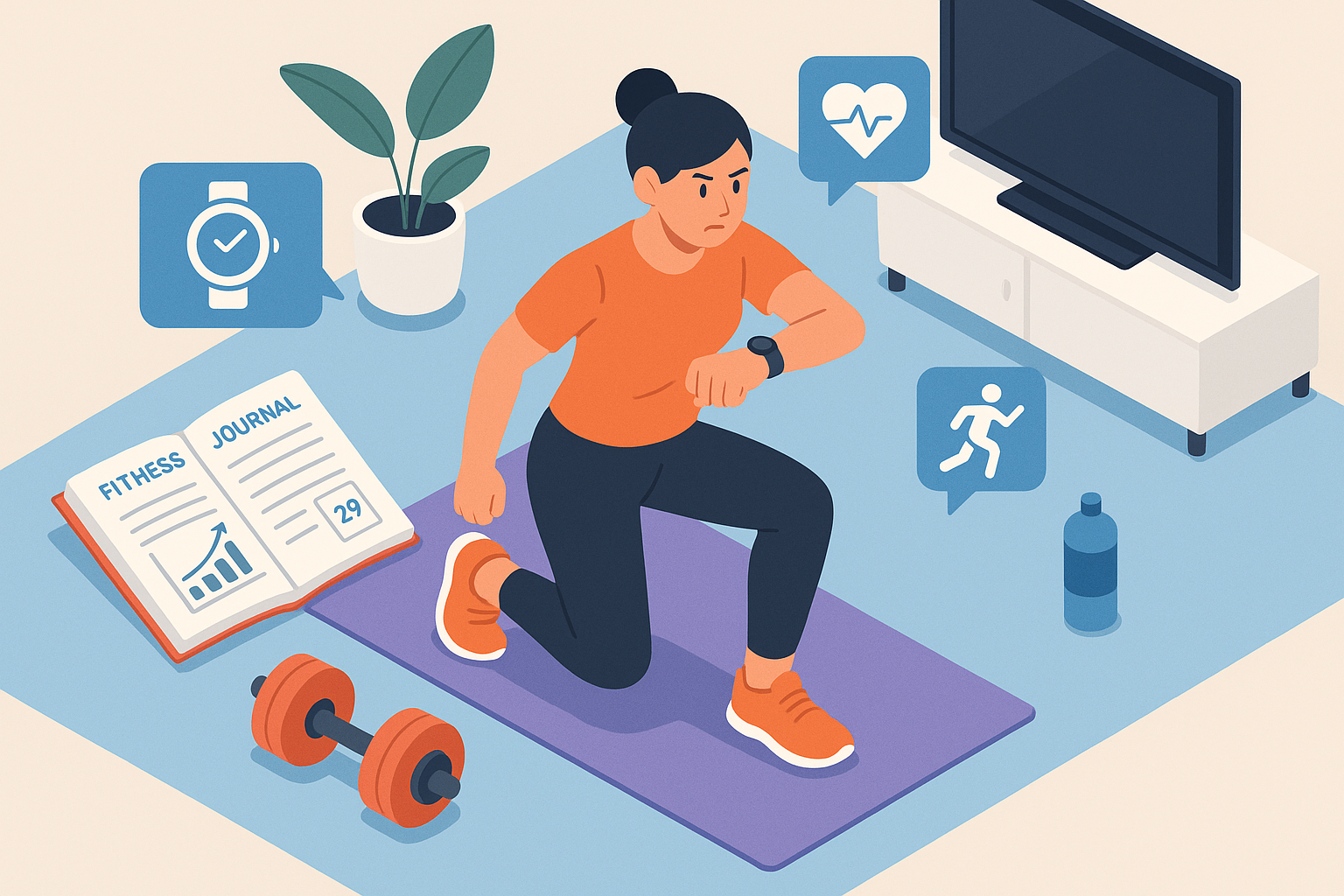
Every marketing campaign, code deployment, or user experience update begins with a goal, a timeline, and a clear set of performance metrics. Why should health optimization be any different? When I set out to train for my first 10K run, I decided to apply the same structure. I defined milestones, identified key data points — like average pace, heart rate variability, and recovery — and committed to a reporting schedule. The parallel to the digital industry was striking: what gets measured gets improved.
Tracking weight loss became less about numbers on a scale and more about understanding input versus output. Calories became metrics. Meals turned into data entries. My fitness tracker became the analytics dashboard of my own performance. The process reframed wellness as progress, not punishment.
Lesson 2: Accountability Is the App That Runs It All
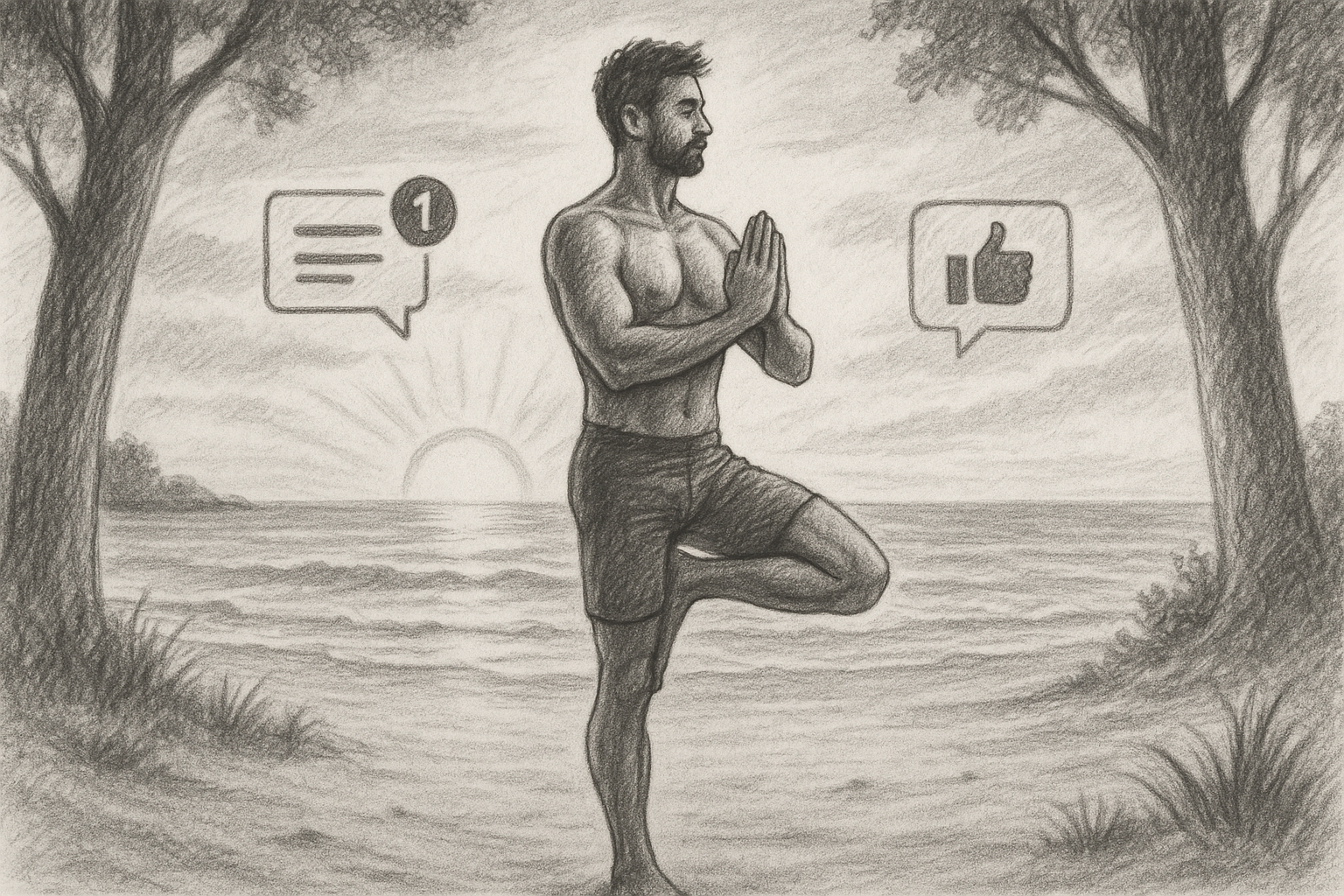
Once the novelty of a new goal wears off, accountability keeps you moving. Digital transformation works because teams hold each other to outcomes. I learned that the same principle applies to personal goals. I began documenting my weekly activities in the FitGit community, sharing both wins and setbacks. Every post became a line of code in my transformation — visible, traceable, and motivating.
The real shift wasn’t in my body first; it was in my mindset. I started seeing accountability not as pressure but as empowerment. Every comment and check-in reminded me that progress thrives in transparency. There’s a certain magic in knowing others are watching you evolve — not to judge, but to remind you of who you promised to become.
Lesson 3: The Power of Micro Gains
In digital analytics, we often talk about incremental wins — the 1% improvements that compound over time. The same philosophy transformed my training. Instead of waiting for huge milestones, I celebrated micro gains. A single extra set in the gym, an extra 500 steps before bed, or choosing real food over a digital delivery menu became cause for victory.
Progress tracking helped reveal what consistency looks like at scale. Without the numbers, I would have missed the pattern of small decisions adding up to major change. Through health optimization, I discovered that my fitness and digital lives share an eternal principle: data without direction is noise, but data with purpose is transformation.
Lesson 4: Set Goals That Stretch, Not Stress
Training for a goal is about balancing ambition with wellness. Early on, I pushed too hard — running further than planned, cutting calories too low, and burning out quickly. I learned that sustainable results require respect for recovery. In the digital world, we call this system optimization. In health, we call it balance.
I began using recovery days, sleep tracking, and mindful breaks as non-negotiables in my plan. Each rest session became as intentional as each training one. The balance turned out to be the secret ingredient that made long-term consistency possible. Motivation became maintenance. Maintenance became mastery.
Lesson 5: Reflect, Refactor, Repeat
At FitGit, we talk about building a feedback loop with ourselves. A check-in recap isn’t about judgment; it’s about documentation. Every week, I reviewed what worked, what didn’t, and what needed refining. Just as developers refactor code, I refactored habits. Some weeks the metrics dipped — stress, deadlines, or skipped meals. But by keeping records, I could trace back patterns and reclaim momentum faster every time.
That reflection process fostered resilience. Instead of labeling a missed workout as failure, I viewed it as data input. Each week became a version release — iterative, improving, and forward-focused. Over time, that built trust in my own process and built a model I could replicate in every area of my life.
Lesson 6: Progress Is Personal — but Shared Progress Multiplies
We often imagine success as solitary, but in the digital era, connection drives achievement. Sharing milestones online, discussing struggles, and celebrating others’ wins amplified the outcome. It wasn’t about competition; it was about community. Seeing others evolve toward their goals made my own feel more attainable and exciting.
The FitGit platform created that synergy — a digital harmony of accountability partners who are all on the same path: striving for health optimization without losing the joy of living. Every comment thread became a small accountability hack and a powerful reminder that we’re stronger together.
Lesson 7: The Goal Is Growth, Not Perfection
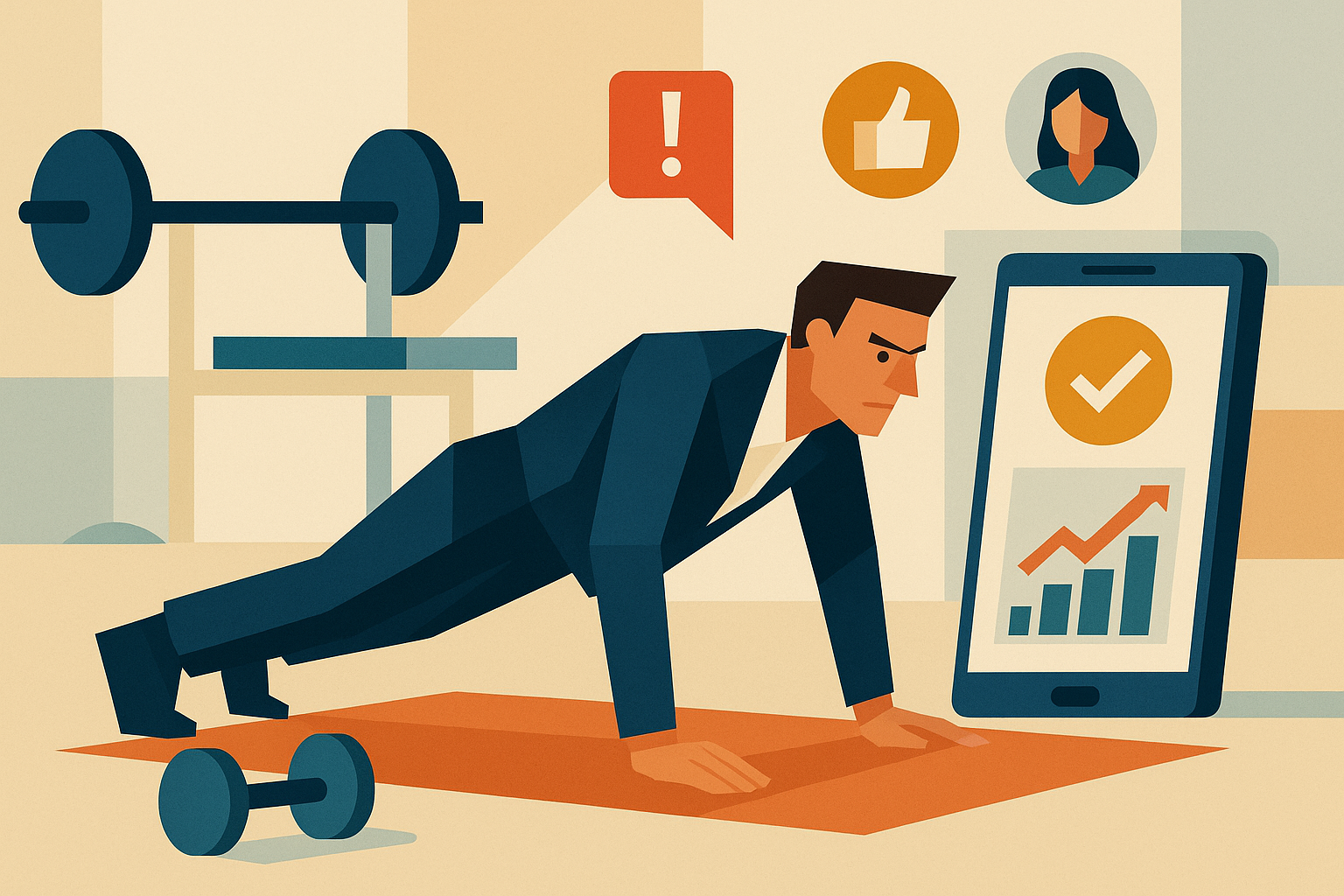
Looking back at months of training logs, calorie entries, and emotional reflections, I realized that the real win wasn’t the final distance, weight, or metric. It was the mental shift. Training taught me that discipline is a freedom multiplier. Once I aligned my mindset with measurable, actionable habits, fitness stopped being a task and started becoming my operating system.
Perfection is a myth; progress is the masterpiece. Each check-in isn’t proof of flaw but proof of fight. It says, “I’m still here, still showing up.” That attitude bled into everything — my work performance, my relationships, and even my creative energy. Health optimization had quietly optimized every other part of my life.
Conclusion: Keep Tracking, Keep Transforming
Training for a goal — whether it’s a marathon, a milestone, or a mental breakthrough — is less about reaching the end and more about learning how to travel. Digital accountability gave me the structure I needed to build a consistent, empowered rhythm. What began as a physical transformation evolved into a total personal upgrade.
If you’re reading this, your check-in might be overdue — and that’s perfectly fine. Start where you are, measure what matters, and commit to the next small step. Your future self depends on today’s data. Progress is built one entry, one breath, and one breakthrough at a time. Always remember to TTFBs!!!