In a world driven by screens, deadlines, and notifications, finding the motivation to stay consistent in your fitness journey can feel like trying to WOD through quicksand. But here’s the truth: for CrossFitters, accountability isn’t just a buzzword—it’s the backbone of constant improvement. Your daily routine dictates whether you’ll crush your next PR or stumble into another week of “I’ll start tomorrow.” This guide from fitgit.me dives into how to make accountability your strongest muscle—digitally, mentally, and physically.
Understand the Power of Digital Accountability
Let’s face it—our digital lives are packed with apps, trackers, and notifications. But what if your phone could help you build discipline instead of distraction? Fitness accountability in the digital industry doesn’t mean scrolling through highlight reels of perfect abs. It’s about leveraging the same tools for self-awareness and consistent progress tracking.
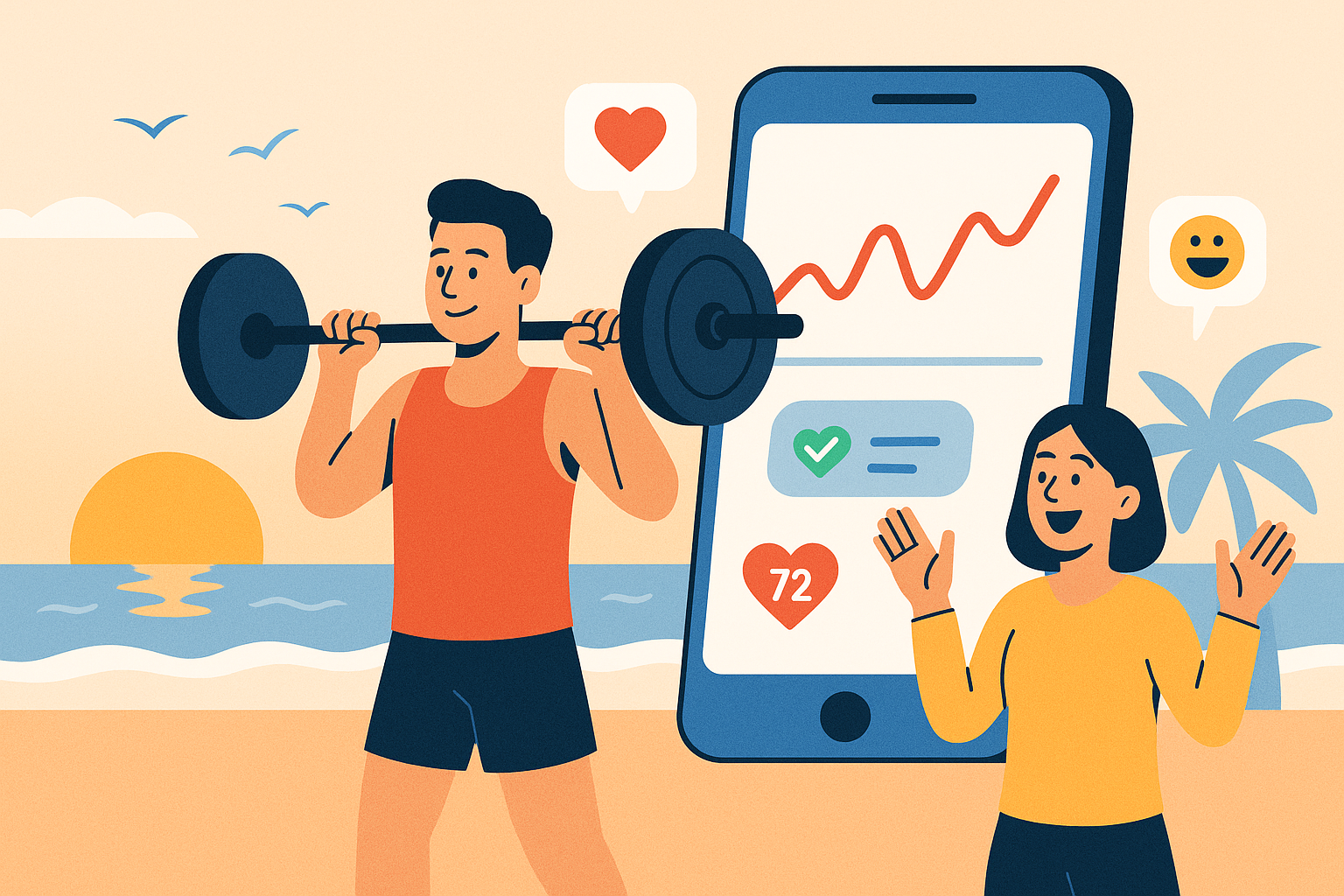
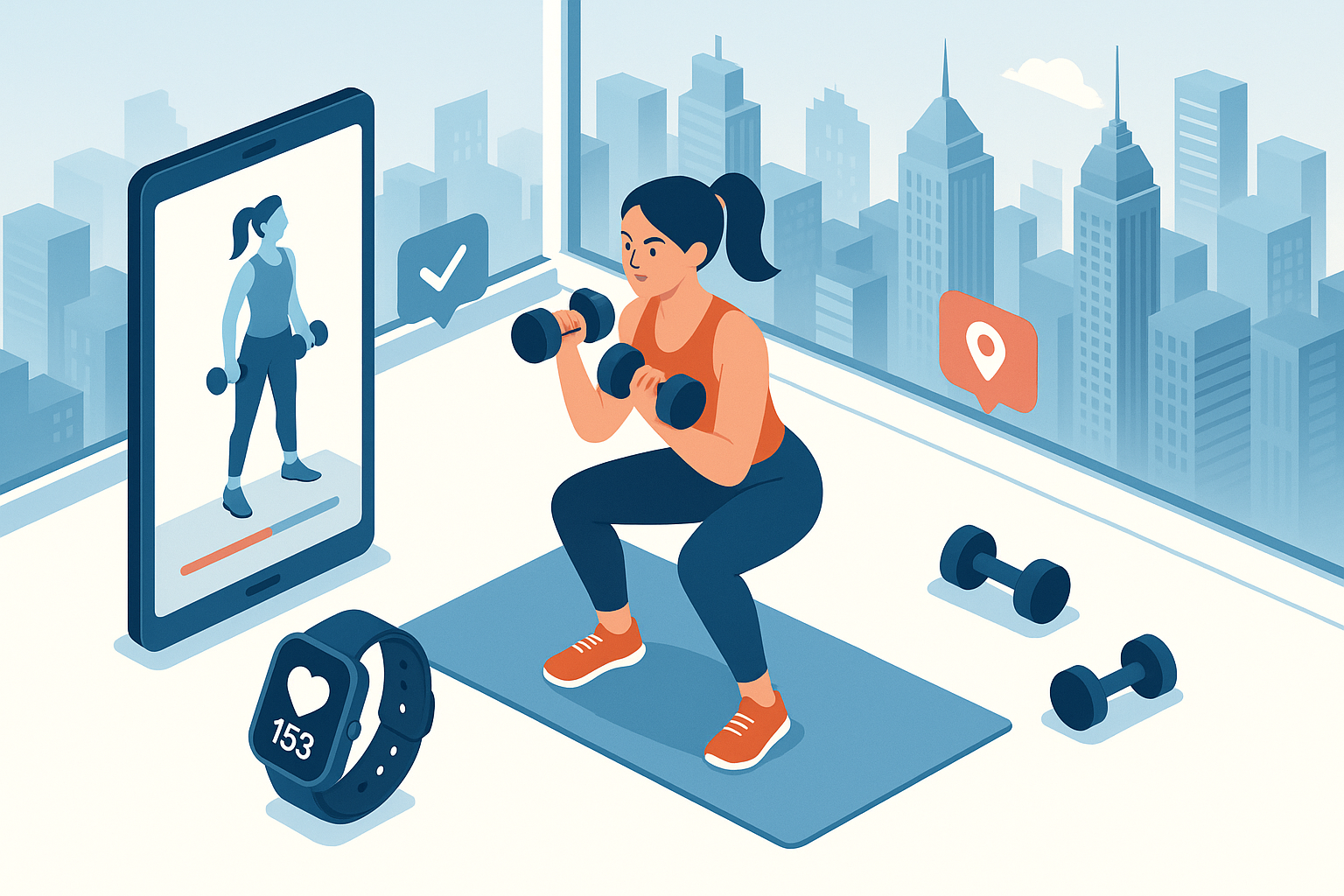
Start simple: use a workout tracking app or a daily routine planner that automatically logs your WODs. Integrate wearables to monitor heart rate, recovery, or even stress levels. The goal is to turn raw data into honest feedback. When the numbers reveal your effort (or lack thereof), you gain clarity—and clarity fuels motivation.
CrossFitters thrive on metrics: AMRAPs, EMOMs, benchmarks like “Murph” or “Fran.” A digital accountability system extends that framework. It doesn’t replace coaching or community—it amplifies it.
Create a Morning Routine that Sets the Tone
Accountability starts the moment you wake up. Before your first sip of coffee, ask yourself: what is today’s non-negotiable workout? Building a consistent daily routine conditions your brain for discipline. Whether it’s mobility drills, logging nutrition, or writing down training goals, these small rituals compound.
An uplifting start isn’t about motivation magically appearing—it’s about habitually taking one small next step. Every rep, every log, every honest reflection builds momentum. The digital industry thrives on automation; apply that principle to your own fitness. Automate reminders, set alarms for skill work, and schedule a digital “check-in” with yourself.
Build a Support Network—Online and Off
No one thrives alone in CrossFit. That shared suffering builds strength, both in the box and beyond it. Accountability amplifies when it’s social. Join online CrossFit groups or digital challenges where daily check-ins are encouraged (or expected). Share your workout scores, post your progress pics, or even host virtual partner WODs.
The key is honesty. No one is perfect every day—and no algorithm can substitute authenticity. Own your wins, but also your struggles. When you share both, you inspire others to stay committed too. The fitgit.me mindset is about connection—real people using digital tools to move forward together.
Use Technology Without Letting It Use You
In an era of constant connectivity, balance matters. Digital accountability shouldn’t chain you to screens—it should free you to focus on what truly matters. Choose tools that simplify your fitness process, not complicate it.
Try tracking performance metrics weekly instead of obsessively. Set clear digital boundaries: once your WOD is logged, disconnect and recover. Let your devices collect data while you focus on nailing form, breathing, and presence. Technology is your assistant, not your boss.
By intentionally curating how you use fitness apps, your data reinforces discipline instead of stress. You’ll start seeing your daily routine as a flow state—where your body follows a path your mind has already mapped.
Practice Honest Self-Reflection
CrossFit is built on intensity, but progress demands introspection too. At the end of each day, reflect digitally or on paper. Did you meet your goals? Were there excuses, distractions, victories? The point isn’t self-critique; it’s self-awareness. Just as you track lift numbers, you should evaluate motivation levels.
You can even use digital journals that sync with your fitness tracking platforms. Add notes about energy levels, nutrition, or emotional states. When patterns emerge, you gain actionable insight into how to optimize your daily routine. A week of late nights might correlate with missed lifts—data tells the truth before excuses do.
Turn Small Accountability Wins into Long-Term Growth
Accountability grows through repetition. Each time you show up when you don’t want to, you reinforce your self-image as someone who follows through. That shift—from relying on external motivation to internal integrity—is where real transformation happens.
Set micro-goals for each week. Hit them. Celebrate them. Then raise the bar slightly. Whether in digital tracking or physical exertion, measurable consistency builds confidence. Before long, you’re not chasing accountability; you’ve become the embodiment of it.
Stay Honest, Stay Human
Being accountable doesn’t mean being perfect. It means owning your path with authenticity, guided by both heart and data. The fitgit.me philosophy recognizes that CrossFitters are wired for challenge—but also for community, adaptation, and growth. Using digital tools helps bridge the gap between intention and action, but only if you stay real in the process.
So next time your alarm buzzes for the early WOD, don’t swipe snooze. Instead, take one breath, tap “start,” and remind yourself that *every* rep of accountability counts. Digital tools may guide you, but your discipline defines you.
Conclusion
Accountability in the digital age isn’t about apps or hashtags—it’s about aligning your actions with your values. By weaving tracking, reflection, and community into your daily routine, you turn consistency into a lifestyle. fitgit.me is here to remind you that honest effort, supported by smart technology, creates unstoppable momentum.
Every day, you choose to show up or back down. Make the choice that future you will thank you for—and as always, remember to TTFBs!!!