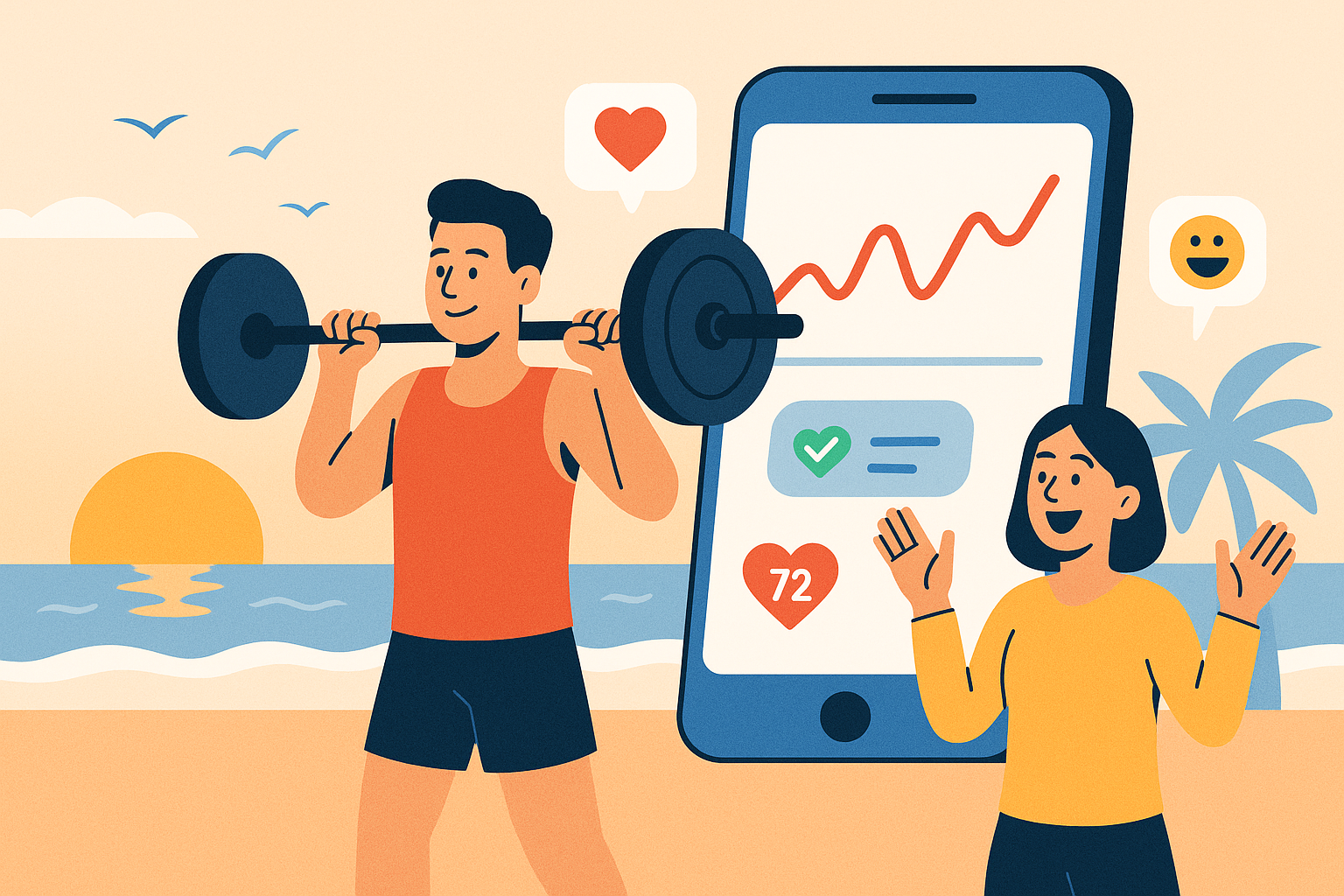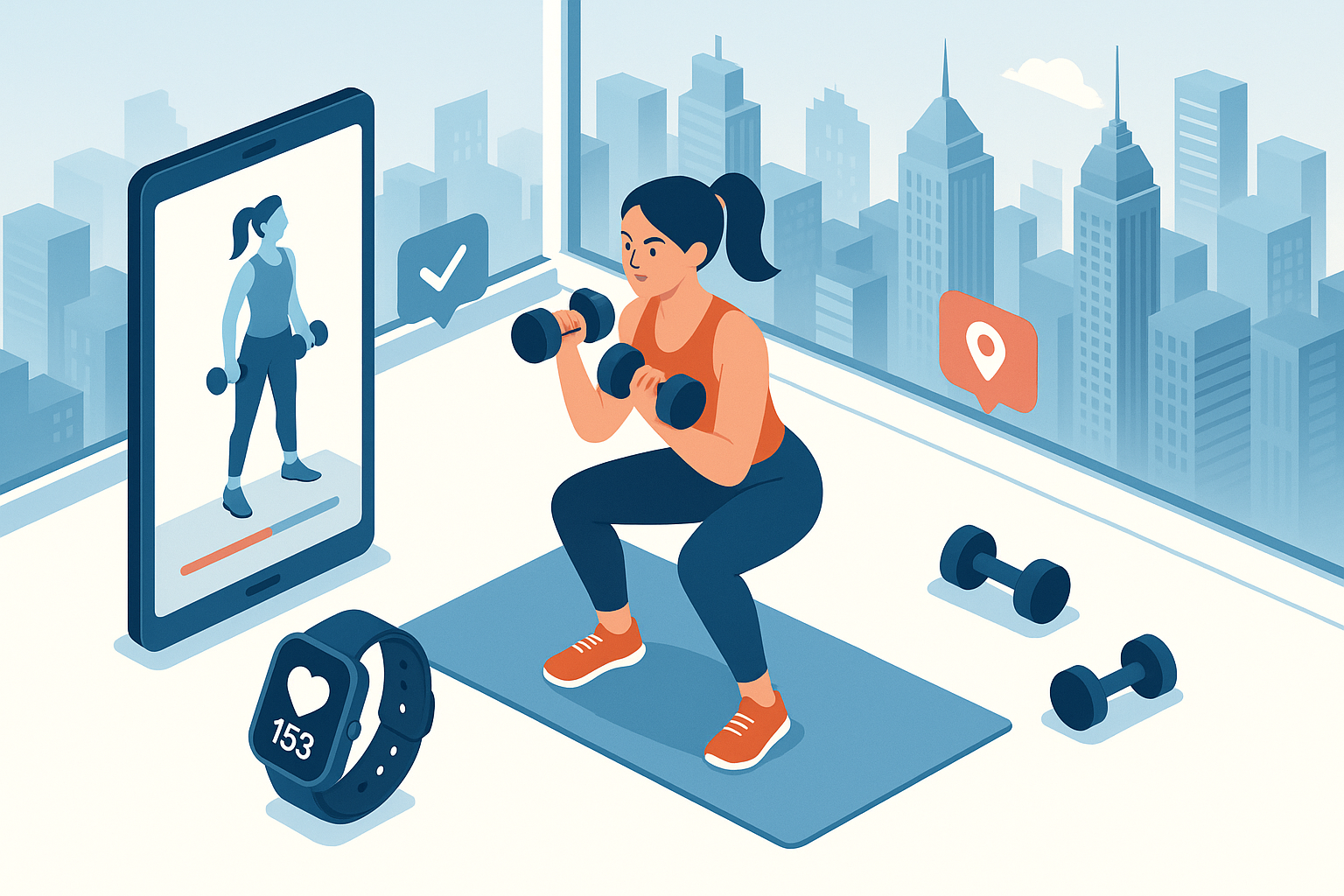
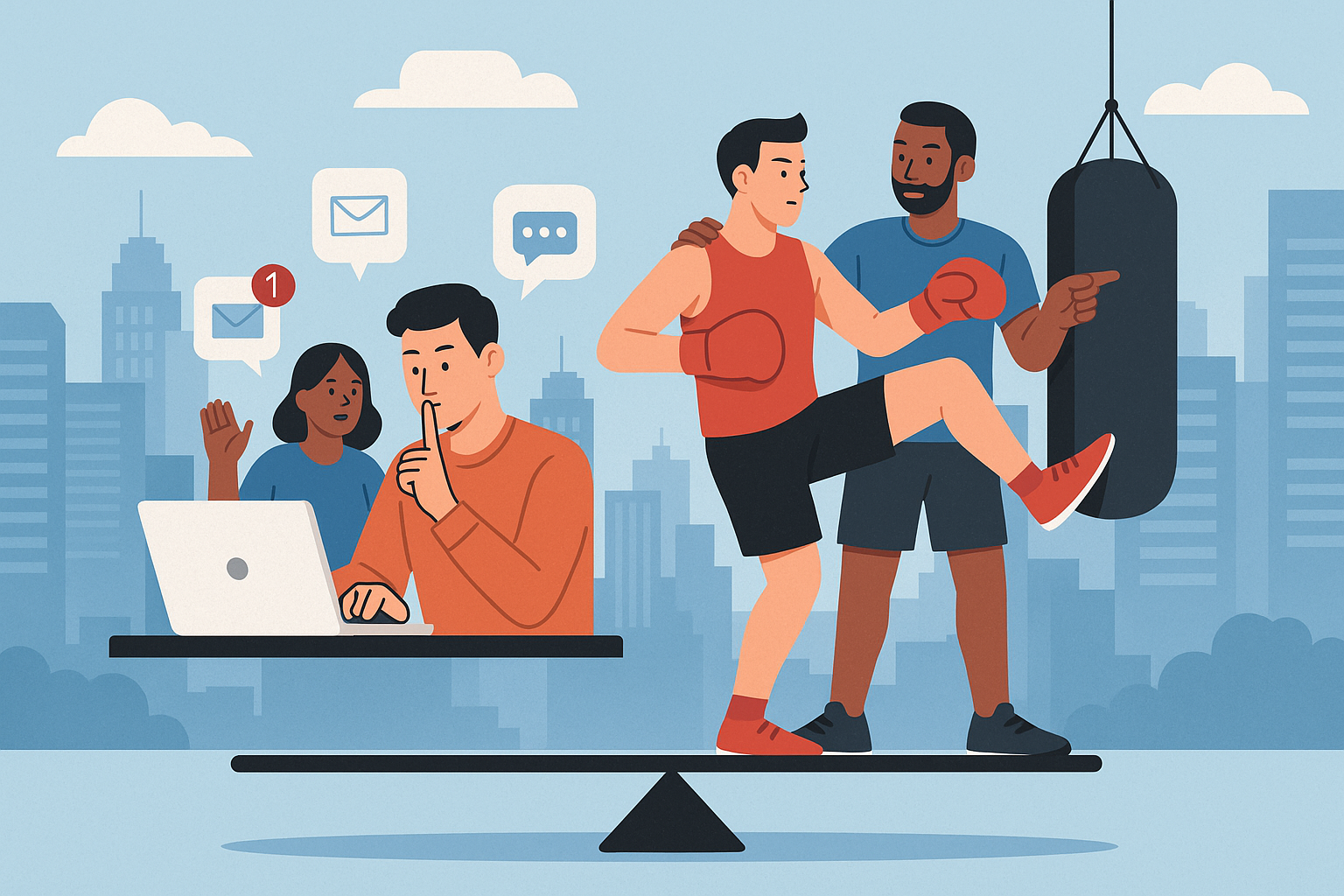
In our increasingly digital world, balancing fitness with a busy lifestyle feels like running two operating systems on the same machine — both demanding, both essential. If you’re nutrition-conscious, health-driven, and logged into your next virtual meeting before your smoothie even blends, you know the struggle is real. But what if integrating wellness was less about disruption and more about routine precision — like coding a healthier version of yourself? Welcome to FitGit, where we debug burnout and reboot motivation, one healthy habit at a time.
Digital Devotion vs. Physical Motion
Most of us thrive in the comfort of glowing screens. Our days revolve around Zoom calls, coding sprints, and Slack pings. Screens dominate — calories burn out, but not because of workouts. This digital immersion is powerful but incomplete without the counterbalance of physical movement.
Think of your body as the ultimate hardware. You can run a dozen apps, but if the processor’s overheating (a.k.a. you’re stressed and sedentary), nothing runs smoothly. The key isn’t choosing between fitness or productivity, but optimizing both.
Fitness Is More than a Free Hour
In the same way you’ve scheduled meetings, tagged Jira tickets, or committed code changes, your fitness deserves structure. Not time-crunched desperation workouts squeezed between emails, but intentional, sustainable movement.
Start with 20-minute bursts. Try stair sprints after lunch or yoga flows before bed. Capture these moments like you would a git commit — track changes, repeat what works, rollback what doesn’t. Using a training log from FitGit helps visualize your consistency and turns your motivation into a roadmap.
Macros, Mindsets, and the Mistake of “All or Nothing”
Many nutrition-focused individuals fall into the trap of perfection. Miss one planned meal or a workout and suddenly, the whole week feels failed. But digital life has prepared us well — if one server goes down, we don’t shut the whole system. We reroute. We adapt.
Fuel wisely — not just with clean macros but also with compassionate mindset changes. Treat your off days as “debugging sessions,” not system failures. Ask: what didn’t work? What can I refactor tomorrow?
Workout Like You Version-Control
Every fitness effort is a commit toward your best self. Don’t discard the small wins because they aren’t front-page-worthy. Push those progress logs into your training log, and over time, you’ll start connecting where effort met elevation.
Our bodies, like codebases, evolve with consistency. With tools like FitGit’s training log, you write a living history of your health — not just for today but for the you in two years who looks back and says, “I’m so glad I didn’t skip this.”
Hacking Healthy into Your Day
No time to hit the gym? Try chair stretches during standups. No meal prep Sunday? Prep while replying to emails, using timers like you would for Pomodoro sprints. Use screen reminders to drink water — rename alerts if that helps (e.g., “Hydrate like your uptime depends on it”).
The digital hustle doesn’t have to clash with healthy habits. In fact, the best integrations happen when we optimize our mindset first.
Fitness doesn’t have to fight your flow — it can fuel it.
Conclusion: Commit to the Lifestyle, Not Just the Goal
Balancing fitness with a busy digital life isn’t a one-time patch; it’s a lifestyle upgrade—one where your focus on nutrition and training becomes second nature, not second priority. With tools like a robust training log, a dash of grace, and a few system tweaks, every digital native can become their healthiest self — without missing a single deadline.
So go ahead — scale your workouts like your servers, commit to your nutrition like you commit code, and always remember to TTFBs!!!