Chasing a personal record (PR) as a weekend warrior isn’t just about hitting the pavement or logging extra hours in the gym. For those of us balancing full-time jobs, family commitments, and digital burnout, every training moment counts. That’s where technology—specifically, wearable gear—steps in. During my latest 10K training cycle, I leaned on a fitness tracker to level up my performance and live more intentionally. Here’s how understanding my body metrics helped turn a lofty goal into a tangible achievement.
The Right Tool: Choosing the Fitness Tracker That Fit My Life
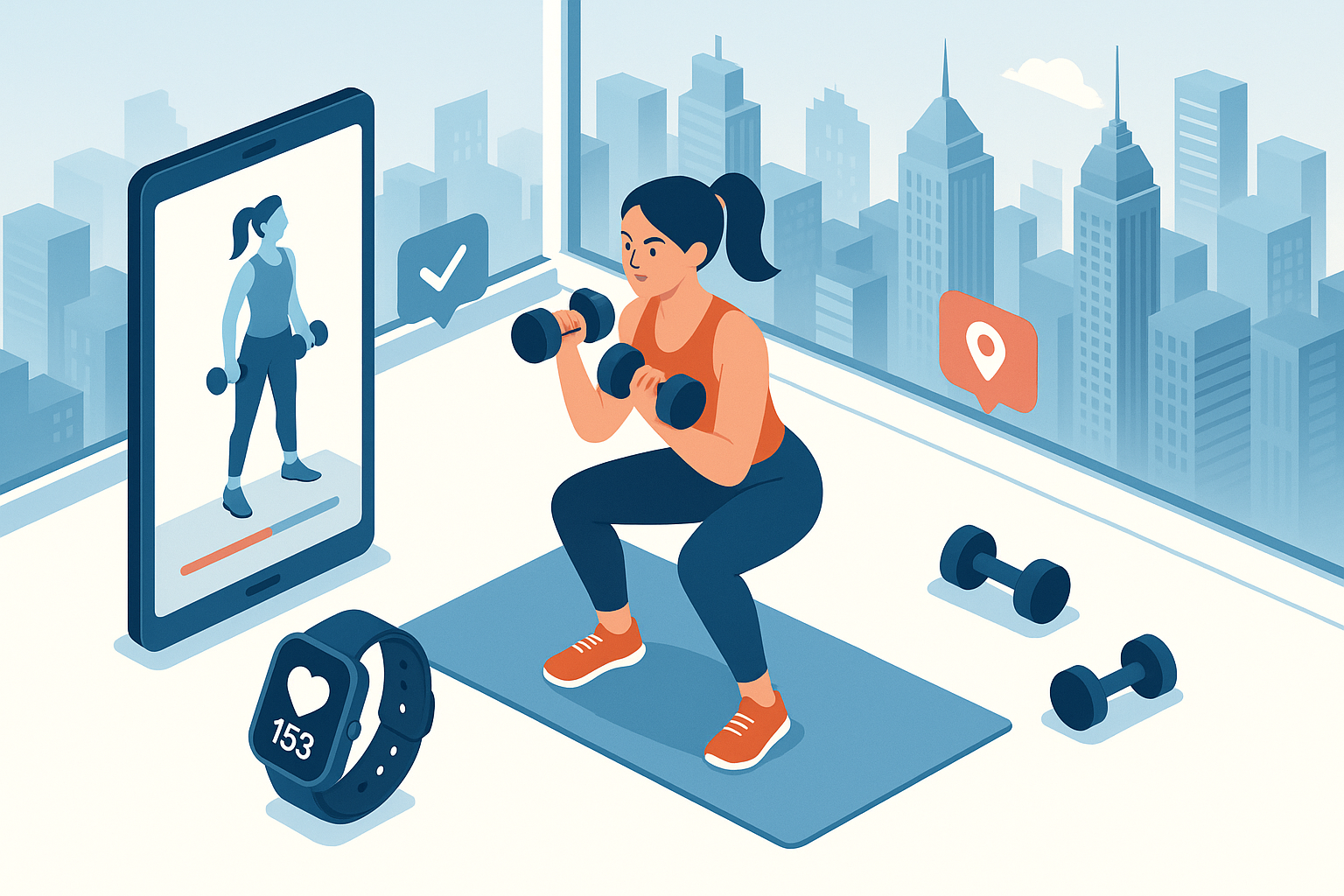
I tested a few trackers before landing on the one that felt like a true partner in progress. For weekend warriors like me, ease of use is non-negotiable. I settled on a wearable that offered 24/7 heart rate monitoring, advanced sleep analysis, VO2 max tracking, and daily readiness scores. The UX was sleek and the app interface wasn’t overloaded—important when you’re short on time but high on goals.
Most importantly, it integrated seamlessly into my existing digital life. Whether I was in a design sprint, debugging late into the night, or decompressing with yoga, it kept tracking quietly in the background.
Awareness is Power: Learning Through Data
Before this training block, my approach was pretty analog—run when I felt good, rest when I didn’t. But as I dug into the data, a new world opened up. My tracker revealed consistent trends tied to heart rate variability (HRV), which often flagged overtraining days before I felt fatigued. I started adjusting my workouts intuitively based on my body’s recovery status instead of pushing through.
Understanding the metrics changed my relationship with recovery. I stopped treating rest as a passive break and started seeing it as deliberate, mindful living. My RHR (resting heart rate) told me when to push. My sleep scores told me when to hit snooze guilt-free. My stress readings gently nudged me away from doom-scrolling and toward breathwork instead.
Visual Cues = Motivation Hacks
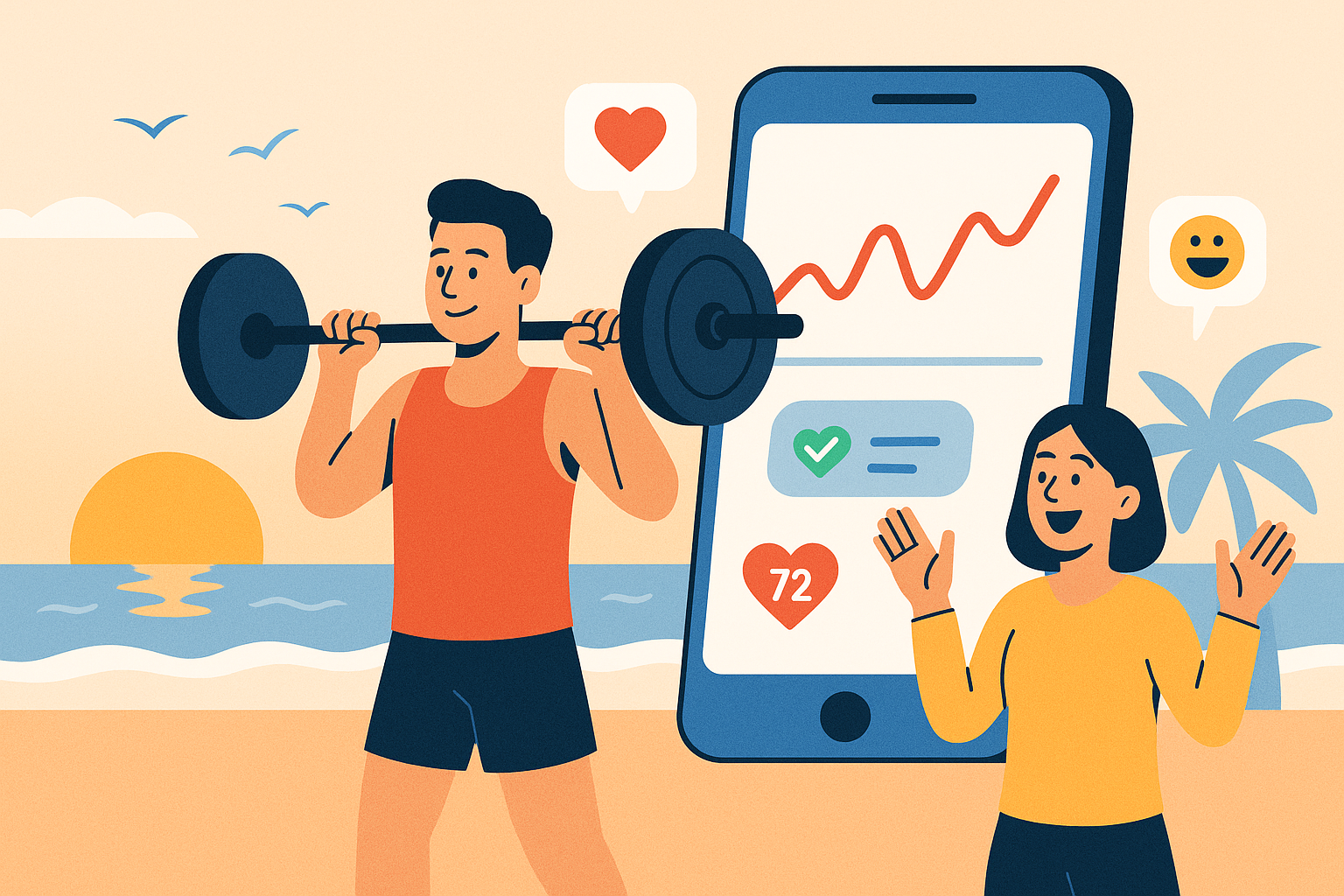
As someone wired for visual feedback, watching my weekly progress graphs became addictive—in the best way. Seeing my VO2 max improve week over week was like watching XP points tick up in a video game.
It wasn’t just about performance either. Seeing my sleep efficiency at 92% after a Sunday reset day reminded me that all aspects of my life are interconnected. Training for a PR turned me into a digital wellness detective, and I started identifying clues in my data that pointed toward burnout before it hit.
Lessons Learned from the Finish Line
Race day came and went. I hit my goal by 48 seconds—just enough to make me fist bump the air at the finish. But more than the medal, what stuck was a new baseline of awareness. I now walk into each day with a clearer sense of how I’m doing, both physically and emotionally.
In a digital world buzzing with distractions, that kind of body literacy is a rare win. The right tracker didn’t just help me train smarter; it guided me toward greater balance. And in the midst of code commits, deadlines, and late-night snack raids, that feels like the ultimate productivity hack.
Final Thoughts
Body metrics may sound niche, but for weekend warriors training for a big goal—whether it’s shaving 10 minutes off your 10K or showing up with more energy for Monday meetings—they can be game-changers. The gear isn’t magic. But the mindfulness it encourages? That’s real.
Always remember to TTFBs!!!