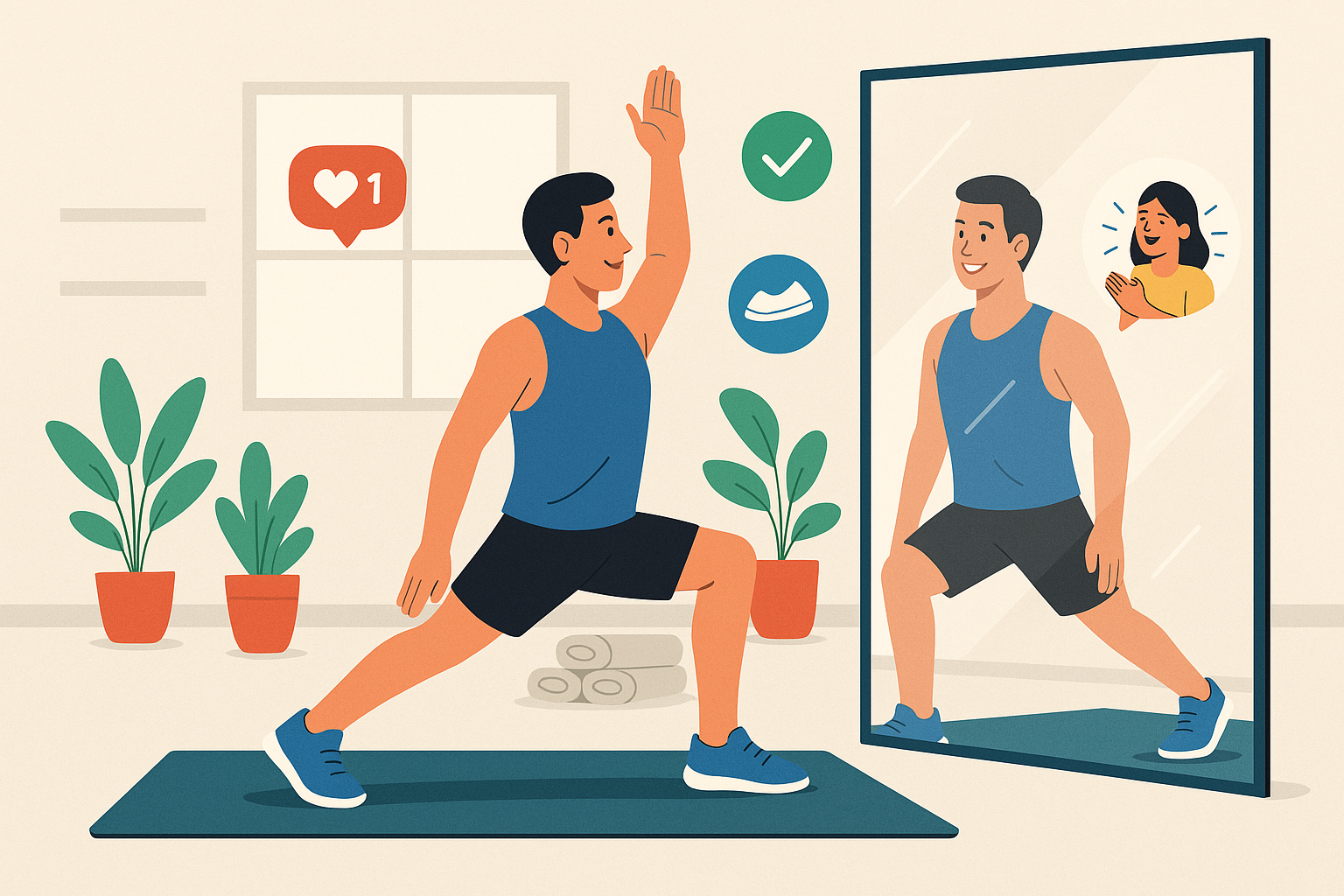

It started with a twitch in my knee during one of my late-night coding sprints. I thought it was just another ache from sitting too long, but days later I found myself in crutches, sidelined from not just workouts, but from the energy that fuels the entrepreneurial grind. Recovery felt like a setback, but a week of clean eating gave me more than just anti-inflammatory benefits—it gave me perspective. Whether you’re mending from an injury or working on your weight loss journey, your fuel matters.
The Breaking Point: Tech, Tendons, and Takedown
Before my injury, I was hustling non-stop—scaling FitGit.me, pitching investors, building code, testing products. Fitness? That was a weekend thing at best. I crammed protein bars and cold brews between Zoom calls. My fuel was functional but not sustainable.
When the injury happened, all the momentum screeched to a halt. Physically I was immobilized, mentally I felt foggy, irritable, and off-track. My typical training routine? Gone. It was like my identity hit pause.
But rather than spiral deeper into that sedentary headspace, I saw an opportunity. What if I controlled one variable—the food I was putting into my body?
Reboot Strategy: One Week, One Mission
I gave myself a personal challenge: 7 days of clean eating. No processed foods. No caffeine overload. No energy drinks or meal replacements. Just real food—think lean proteins, leafy greens, whole grains, avocado, and more water than your average dev team drinks in a week.
Initial goal? Reduce inflammation to speed up injury recovery. But the outcomes turned out to be way bigger than I expected. The clean-eating experiment not only fast-tracked healing but also sharpened my mind, boosted my creativity, and gave me a renewed sense of clarity about this entire fitness-meets-productivity ecosystem.
The Day-by-Day Breakdown
Day 1: Headache city! Sugar withdrawal was real. I craved my usual iced latte and cereal bar. But I powered through with water, oatmeal, and grilled chicken. That night, I actually slept deeply—something I hadn’t done in weeks.
Day 2: My body protested. But I noticed something else—I wasn’t bloated after meals. I felt nourished, not sluggish. My injury was still tender, but the swelling already seemed down. Placebo? Maybe. But it was hope, and that was powerful.
Day 3-4: Game-changer. My energy stabilized. I didn’t need a midday crash nap or that third latte. I was focused during my code review calls. My injury started feeling less “present” in my mind. I started journaling again—digitally, of course—visualizing my recovery path and setting new training goals, slowly ramping for the future.
Day 5-6: Creativity exploded. I sketched a new feature set for FitGit.me tailored for injury recovery patients—light adaptive workouts, meal plans, milestone trackers. Clean eating wasn’t just changing my body—it was changing the way I think about fitness from a digital-first lens.
Day 7: Final day, but it didn’t feel like the end. My body was lighter. My gut? Calm. My knee? Strong enough to do a few assisted squats. I felt reborn. No exaggeration. That weight loss journey I always shelved for “someday” officially had a start date.
Learnings Every Recovery Warrior Needs
This isn’t just about kale and quinoa. Here’s what that week of clean eating actually taught me as someone both healing and innovating:
- Recovery isn’t passive—it’s a strategy. Waiting to heal is slow. Fueling recovery is active.
- Clean eating is anti-fog. My mind was sharper with real food than it ever was with supplements and espresso.
- Your gut is your guide. When you’re eating right, your body tells you. Less bloat, steadier energy, zero crash cycles.
- Digital habits influence physical health. I linked my meals, movement, and mindset in a Google Sheet and suddenly saw patterns. That’s how you build insights. That’s how you train smarter digitally—not just harder physically.
- Clean eating enables consistency, not perfection. Do it for a few days and you’ll realize: you don’t miss the junk. You miss clarity when it’s gone.
The FitGit Vision: Tech-Enabled Reinvention
At FitGit.me, we believe this intersection of recovery, fitness, and technology is the future. Whether you’re a developer rehabbing a torn ACL or a UX designer battling burnout and binge eating, clean eating + consistent strategy = transformation. And it doesn’t take months. It starts in one week.
My clean eating week wasn’t just about nutrition—it was the catalyst that reminded me what true performance feels like. Physical intelligence. Mental clarity. Emotional resilience.
If you’re staring at an injury like it’s a wall, trust me—it’s actually a door. The key is strategy and fuel. Now I’m building new FitGit.me training modules specifically for those like you who are healing and hustling. We’re digitizing recovery without compromising the human side of fitness.
Tips to Try This Week
- Plan meals like launch sprints. Start each day with a meal mission. Execution > inspiration.
- Meal-prep macros, not moods. Track food that fuels your function, not your cravings.
- Hydrate like it’s code hydration. Water flows, so do you. Aim for 3 liters/day.
- Log everything—digitally. Your meal + mood + movement = a data loop that guides the next move.
- Injury recovery is a progress bar. Keep feeding it data and quality ingredients until it hits 100%.
Conclusion: Fuel the Comeback
Injury doesn’t mean defeat. It means redesign. Clean eating helped me understand that fitness isn’t about being in motion—it’s about being intentional. Even if you’re benched right now, you can design your comeback with clarity and conviction.
Whatever your weight loss journey looks like, or whatever stage of recovery you’re in, start by fueling better. It’s a small bet with unlimited upside.
Always remember to TTFBs!!!