In the pursuit of a healthy lifestyle, setbacks are inevitable. Injuries, burnout, and motivation dips are all part of the journey. At fitgit.me, we believe in using technology not as a crutch, but as a compass. In today’s Q&A, we sit down with Elena Rios, a digital fitness coach and former elite athlete, to uncover how tech tools – used mindfully – can guide us through the toughest moments in our fitness journeys.
Q: Let’s start with the obvious. Setbacks happen. What was a major one in your journey?
Elena: Two years ago, I tore my Achilles. It was a season-ending injury – not just physically, but mentally. I lost not only my training rhythm but also my identity. I realized that motivation without direction is fragile. That’s when I turned to digital support—not to replace my effort, but to rebuild my strategy.
Q: What role did fitness tech play in your recovery?
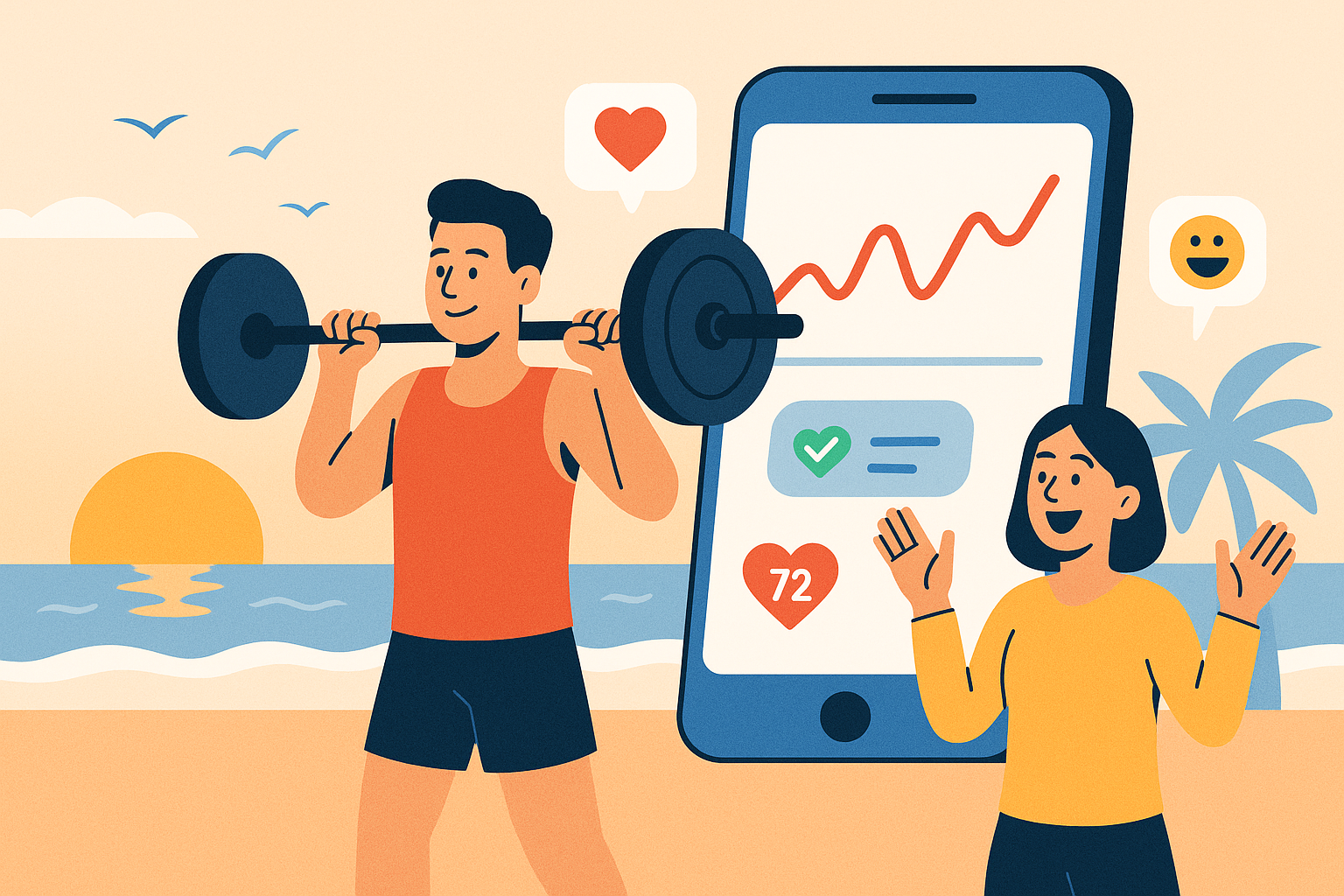
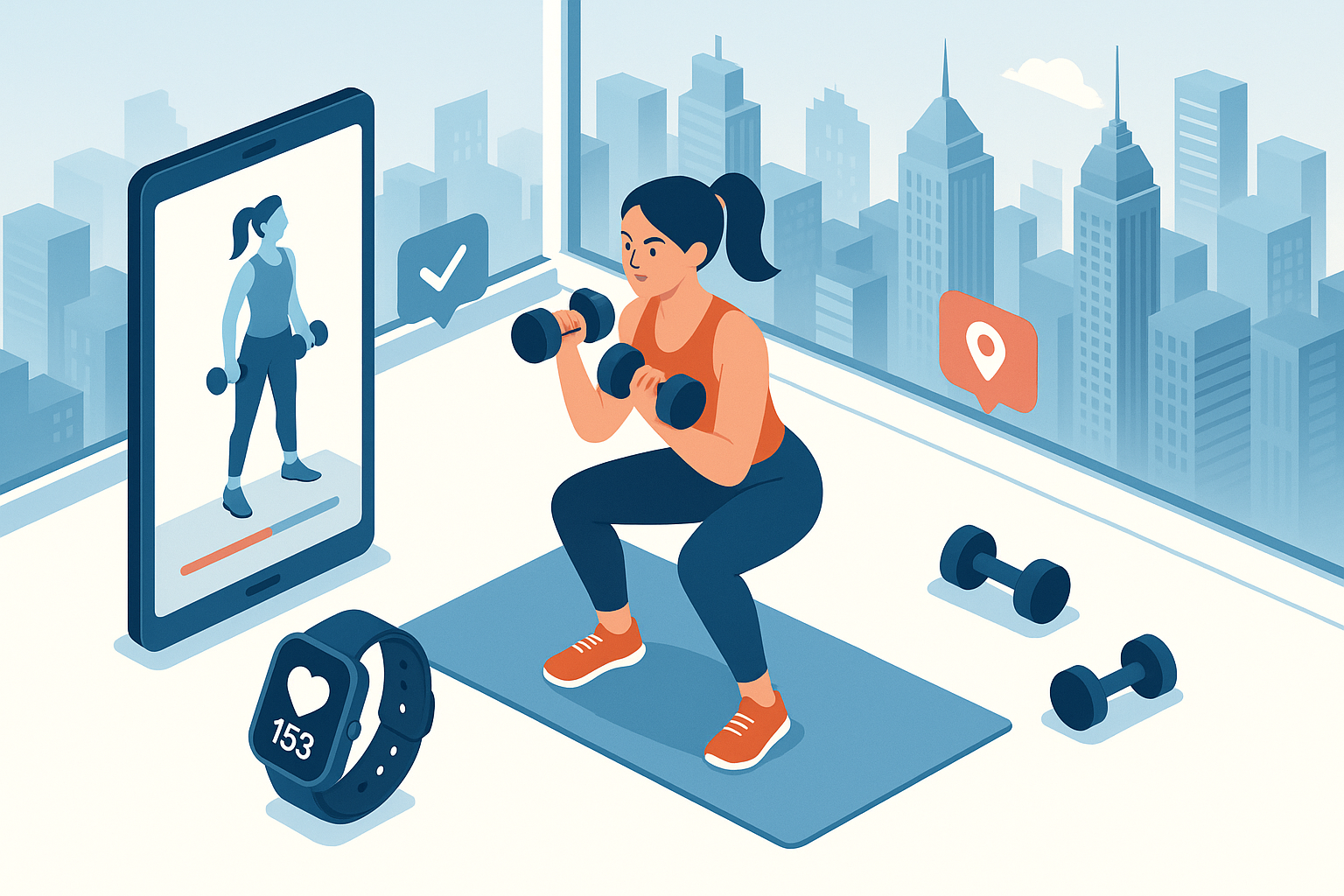
Elena: Massive. I used wearable tech to monitor my heart rate variability—an indicator of recovery. That data helped me shift from guessing to understanding. I also integrated adaptive training apps that modified workouts based on my feedback. Over time, small milestones became clearer, and that bolstered my confidence. In that way, technology became the mirror showing me what progress truly looked like.
Q: Sometimes people feel overwhelmed by all the apps and gadgets. How do you simplify the digital stack?
Elena: It’s easy to drown in data. I live by a minimalist principle: track what matters, forget what doesn’t. I pick three things: activity level, sleep depth, and stress response. Just those. Then I link that data to one goal: show up. Fitness tech should be about clarity, not comparison.
Q: Let’s talk motivation. How did you stay inspired when things felt stagnant?
Elena: Motion creates emotion—and that includes mental motion. I set micro-goals inside my apps: clean form for 30 seconds, complete two rehab stretches, or meditate for five minutes. These weren’t glamorous, but the achievements stacked up. And I tracked them obsessively using my smartwatch. The tech gave structure, but the belief came from action.
Q: What advice would you give to someone feeling like they’ve lost momentum?
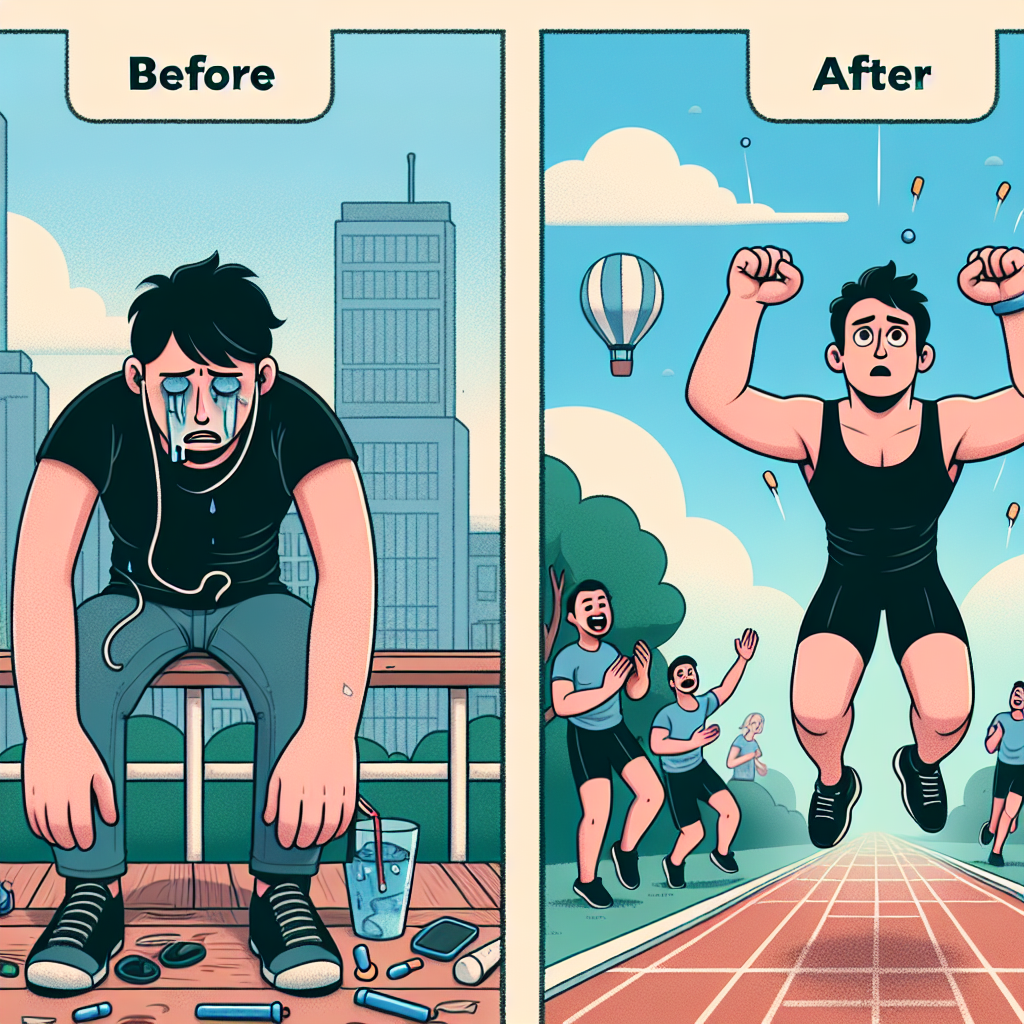
Elena: Pause. Open your fitness app or wearable dashboard. Look at one metric you’re proud of—maybe it’s step count, maybe it’s consistency. Let that be your reset button. Setbacks aren’t failures, they’re feedback. Let the digital tools reflect who you are, not who you’re not.
Q: How has your relationship with fitness changed now that you’re back in a healthier rhythm?
Elena: I no longer chase some ideal version of myself. My focus is balance, not perfection. Fitness tech now supports that mindset. It reminds me I’m evolving, not arriving. And that’s a lot more powerful.
At fitgit.me, we champion sustainable, tech-enabled wellness. Fitness enthusiasts aren’t defined by how hard they push, but how well they adapt—and bounce back.
TTFBs: Time to Forge Better Signals
Setbacks clarify what matters. When the noise quiets, signals get stronger. Whether it’s your sleep data or recovery progress, read the signal, not the doubt.
If you’re struggling with a setback, lean into your tools. Refine your metrics. Reframe your goals. And as always—remember to TTFBs!!!