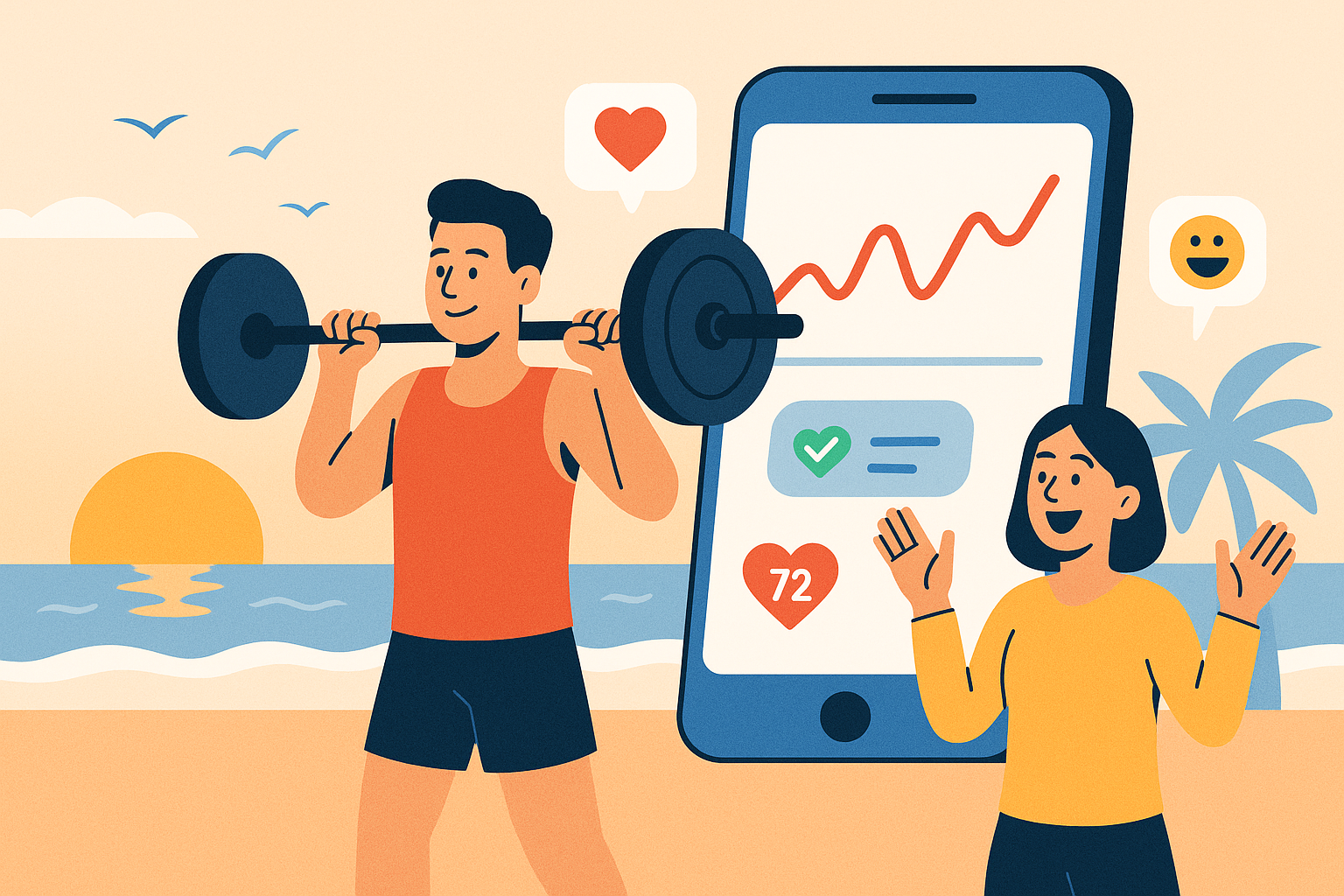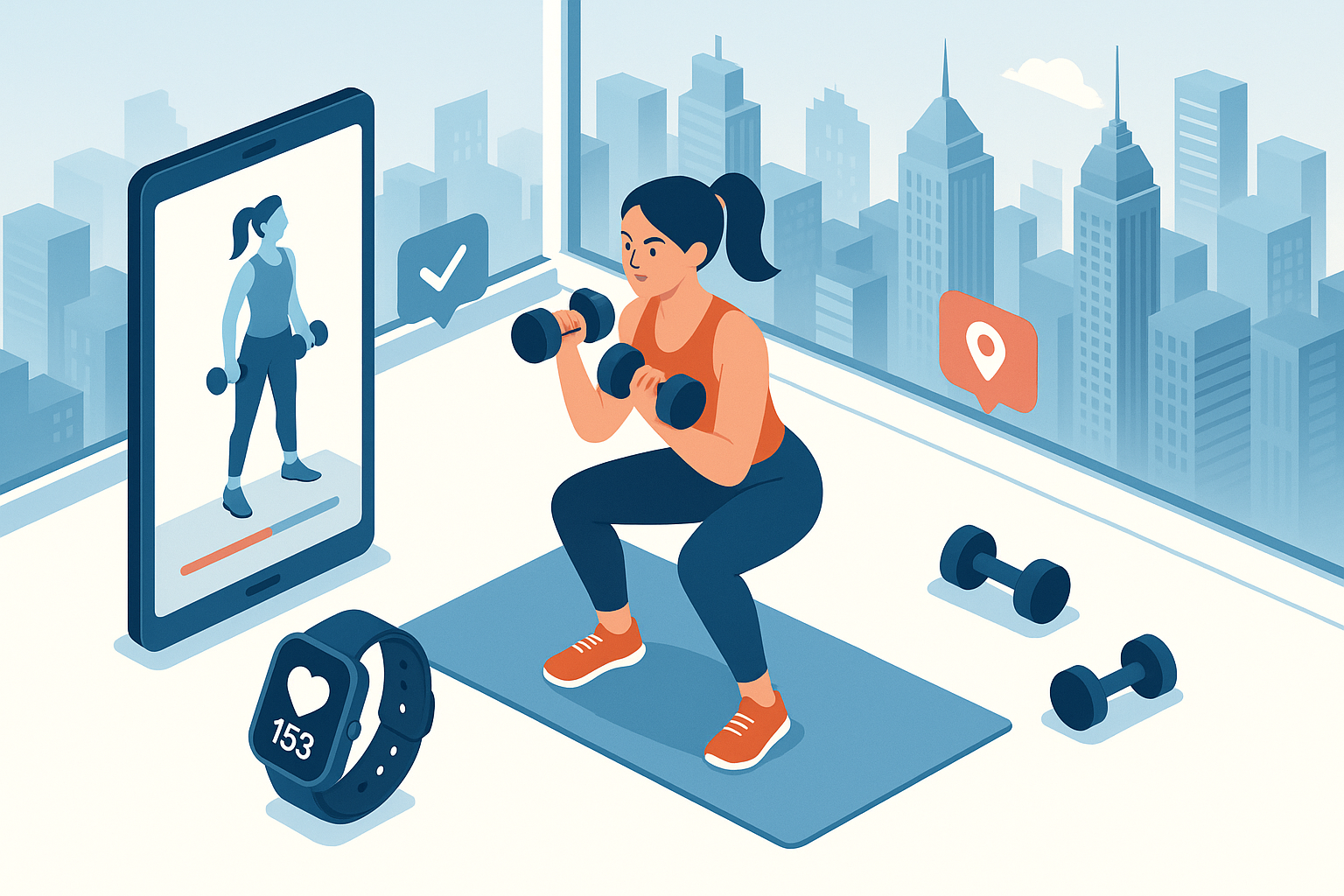

“How are you supposed to keep going when your body is screaming to stop?” That was the question I asked myself after yet another 12-hour day at my remote tech gig, eyes fried from screen time and fitness tracker frozen on a step count under 1,000. This isn’t the story of perfect progress—this is my progress journal, raw and real, about waking up from a digital burnout and learning how to sweat, sleep, and smile again in a world that never logs off.
When Tech Takes Too Much
As a UX designer in the startup world, I loved what I did—until the boundaries blurred. What started as a flexible role turned into all-day Slack, late-night Figma, and “I’ll just check one email” Saturdays. My wearable kept buzzing but stopped motivating. My heart rate told stories of anxiety more than aerobic gains. And the worst part? I knew better. I had all the tools—apps, trackable workouts, meditation features. But I ignored the signs.
Self-improvement became a tab I never opened. Somewhere between chasing deadlines and sipping too much coffee, I lost track of the “me” part of FitGit.me’s mantra. I wasn’t tracking for health anymore. I was tracking out of habit, not intention.
The Crash (and the Wake-Up)
It came to a head during a video call. My eyes watered, not from emotion, but literal screen fatigue. I turned off my camera and stared at my reflection on the black screen—disheveled, disconnected, done. I knew I needed a reboot, and not the software kind.
I took a weekend off. Two days, no screens, no steps tracked, no passive calories counted. Just me, my sneakers, and the park.
I became aware of something wild: joy. Not in numbers or graphs, but in morning sun, in breathing deep without a goal, in stretching slow. My wearable tech became quiet, like a friend patiently waiting for me to come back to the relationship on healthy terms.
Rebuilding, Not Restarting
The next Monday, I returned—but with a plan. I adjusted my notifications. Reclaimed my lunch breaks. Swapped inbox time for 10-minute walks. Set intentional goals: not 10,000 steps, but “feel-good movement” every day. I learned to use my wearable again—not as a critic, but a compass.
I started tracking more than steps. I logged moments. First time I slept eight full hours in months. My first morning stretch that actually felt good. My heart rate during laughter. None of it flashy—no PRs, no transformation montage. Just intentional, tiny acts of self-improvement.
The Setbacks Still Come
Of course, I still crash sometimes. Old habits knock. My screen time creeps up. My sleep score dips. But now, I recognize them as speed bumps, not dead ends. My mindset shifted from all-or-nothing to always-adjusting. Success looks like listening—to my body, to my tension, to the gentle nudges from my tech when I’m slipping again.
Overcoming setbacks isn’t about denial—it’s about data and grace. I reframe a bad week into a story worth learning from. I don’t punish myself with extra workouts; I reward myself with rest. Wellness became a loop, not a line.
Progress That Actually Feels Good
So no, I’m not back to my “fittest” numbers, but I’m back in my body—and that’s the metric I care about now. My FitGit dashboard no longer stresses me out. It invites me in. I journal weekly. I set micro-goals. I breathe, track, reflect. It’s messy. It’s not social-media-friendly. But it’s real.
This is what self-improvement looks like in the digital world: intentional disconnection in service of meaningful reconnection. With our bodies. With our minds. With ourselves.
Wearable tech didn’t fail me—I just needed to relearn how to use it with compassion instead of comparison.
Final Thoughts
If you’ve ever found yourself drowning under your digital life—even your wellness data—know this: you are not broken. You just need a breather. Reboot with kindness. Use the tools for truth, not judgment. And when you fall (because we all do), fall forward. Reflect. Adjust. Try again.
Always remember to TTFBs!!! Track The Feel Before Step. Because progress isn’t just in movement—it’s in momentum.