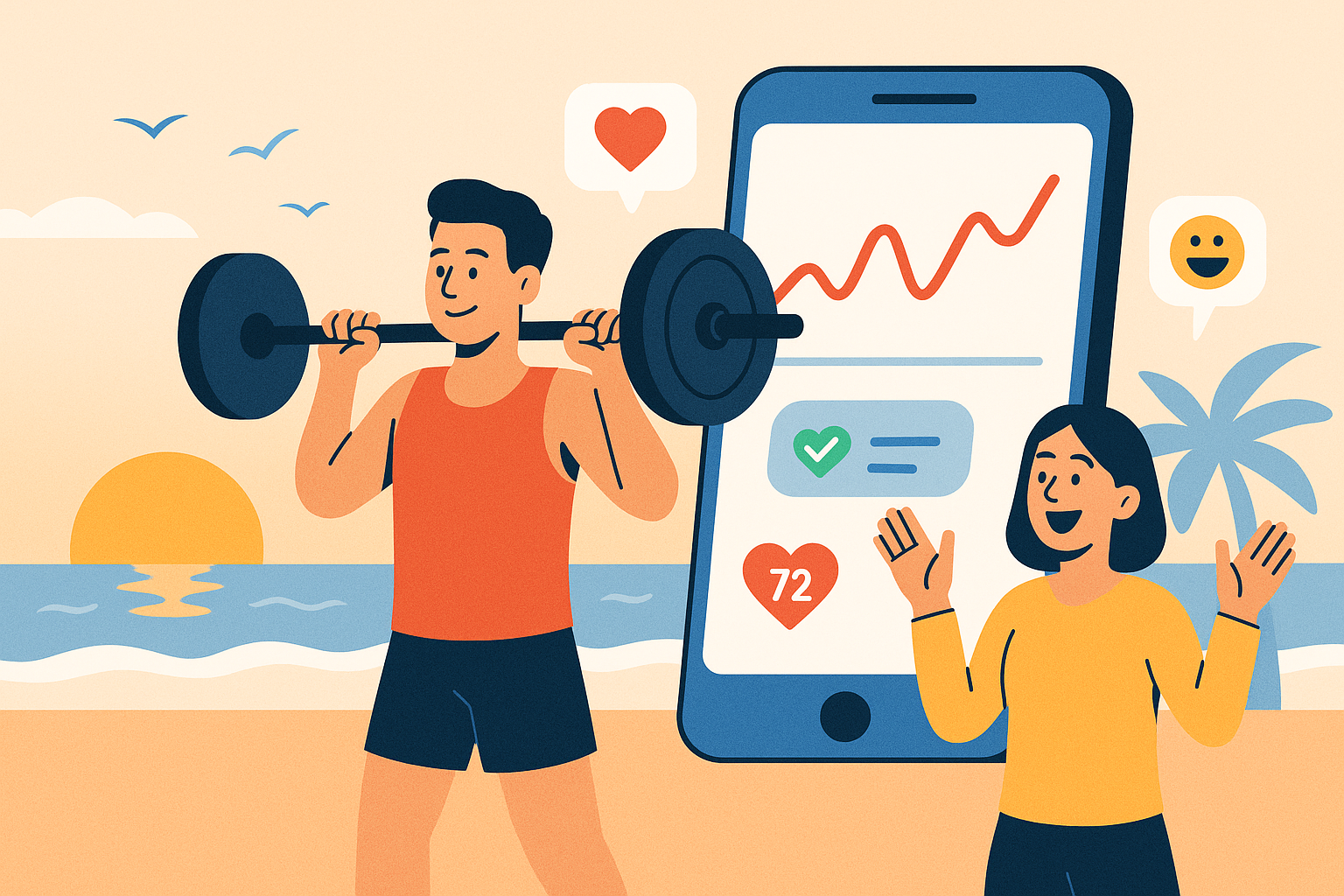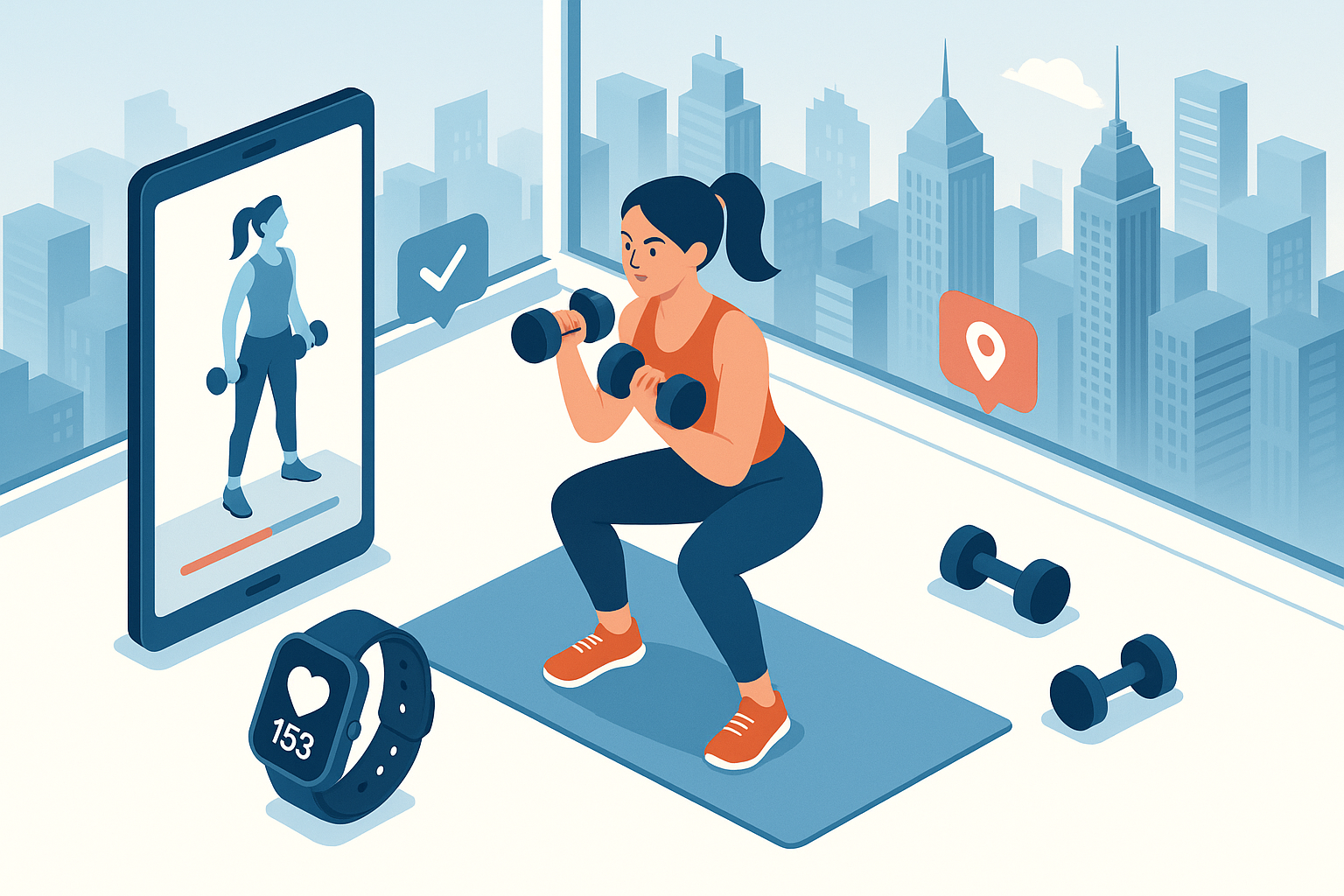

Life as a youth athlete in today’s fast-paced digital world isn’t just about scoring goals or beating personal bests—it’s about building resilience. We often scroll through highlight reels, seeing only the trophies and the triumphs. But what’s often left behind the screen is the equally powerful story of setbacks. Trust me, I know. I’ve lived it. And this guide isn’t just a map—it’s a mirror, one reflecting the growth possible when you rise after falling. Welcome to your beginner’s guide to overcoming setbacks, brought to you by the heart and hustle behind fitgit.me, your go-to health and fitness app.
The Fall That Nearly Broke Me
It was supposed to be my season. I had trained all year, dialed in my macros, tracked my routines with the FitGit health and fitness app, and cut out distractions like a pro. Game one of our regional qualifiers—my moment to shine. And just like that, three minutes into the first half, a misstep, a twist, and the sound no athlete wants to hear: pop.
Diagnosis? Torn ACL. Recovery time? At least six to nine months. And just like that, the person I thought I was—fast, fierce, unstoppable—no longer existed. Or so I believed at the time.
The Identity Crisis
Early on in recovery, I spiraled. Without practice, games, and gym sessions, I didn’t know who I was. My daily rituals were gone. My social circle—teammates and coaches—carried on without me, and the silence hit harder than the pain in my leg.
But here’s something I realized: our identity isn’t just built in the spotlight of winning. It’s shaped in the shadows of struggle. It’s in the reps we do when no one’s watching. It’s in choosing to rise when we’d rather stay down.
Building a Digital Routine to Rebuild Myself
That’s where the digital space, especially the FitGit health and fitness app, became more than just a tool—it became my anchor. I couldn’t train like I used to, but I could track my rehab, journal my moods, log my sit-ups, and document the tiny victories. The app reminded me daily to show up—not just for the grind, but for myself.
In that routine, I found pieces of my confidence again. Each time I saw a day streak add up, another completed rehab session logged, or even a smiley face on my mood log, I was reminded: I’m not done yet.
Lessons I Wouldn’t Trade for Gold
Setbacks taught me the language of patience. I learned to celebrate smaller wins—like staying consistent with physical therapy or choosing spinach over chips. I realized how important mental fitness is, too. Meditation sessions on FitGit gave me space to process the pain, grow my focus, and strengthen my resolve.
I realized that health isn’t only defined by performance metrics. It’s a sum of physical, emotional, and digital well-being—something that connects everything from injury recovery to self-confidence. And yes, there were tears. There were days I fell apart. But each time, I chose to rebuild.
Your Beginner Playbook for Overcoming Setbacks
So if you’re here searching for a way out of your own setback—injury, burnout, or failure—start here:
- Acknowledge the Pain: Don’t suppress it. Own it. Your story gains power when you’re honest about what hurt.
- Reconnect with Your “Why”: Ask yourself why you started. The answer fuels your comeback.
- Set Micro Goals: Use digital tools like FitGit to track your recovery, maintain your mindset, and set weekly targets. Think: 3 PT sessions, 2 consistent meals, 1 motivational podcast.
- Lean Into Support: You’re not alone. Coaches, friends, therapists, and even online communities are part of your rebound team.
- Focus on What You CAN Do: Can’t run? Swim. Can’t lift weights? Stretch. Control the controllables and the rest will follow.
- Celebrate Every Win: Progress isn’t always pretty or big. Celebrate rolling out of bed on time. Celebrate choosing discipline over doubt.
The Power of the Pivot
Months later, I returned to the game—not the same athlete, but a stronger one. Not just physically, but mentally. I had new perspectives, deeper grit, and a compass for handling adversity. I pivoted from performance-focused to purpose-driven. Every setback had etched resilience into the fabric of who I was becoming.
Every step you take, even through the valley of setbacks, carves out the mountain you’re climbing. Your setbacks are not the end of your story, they’re the foundation of your rise.
Rewrite Your Narrative Starting Today
This digital age allows us tools that older generations could only dream of. Use them. Track your habits. Note your emotions. Connect with others. Don’t just train harder. Train smarter. FitGit is more than a health and fitness app—it’s a guide back to your best self. Let tech be your teammate.
So to every youth athlete out there rebuilding, recovering, and refusing to quit—your story isn’t over. It’s just beginning.
Always remember to TTFBs!!!