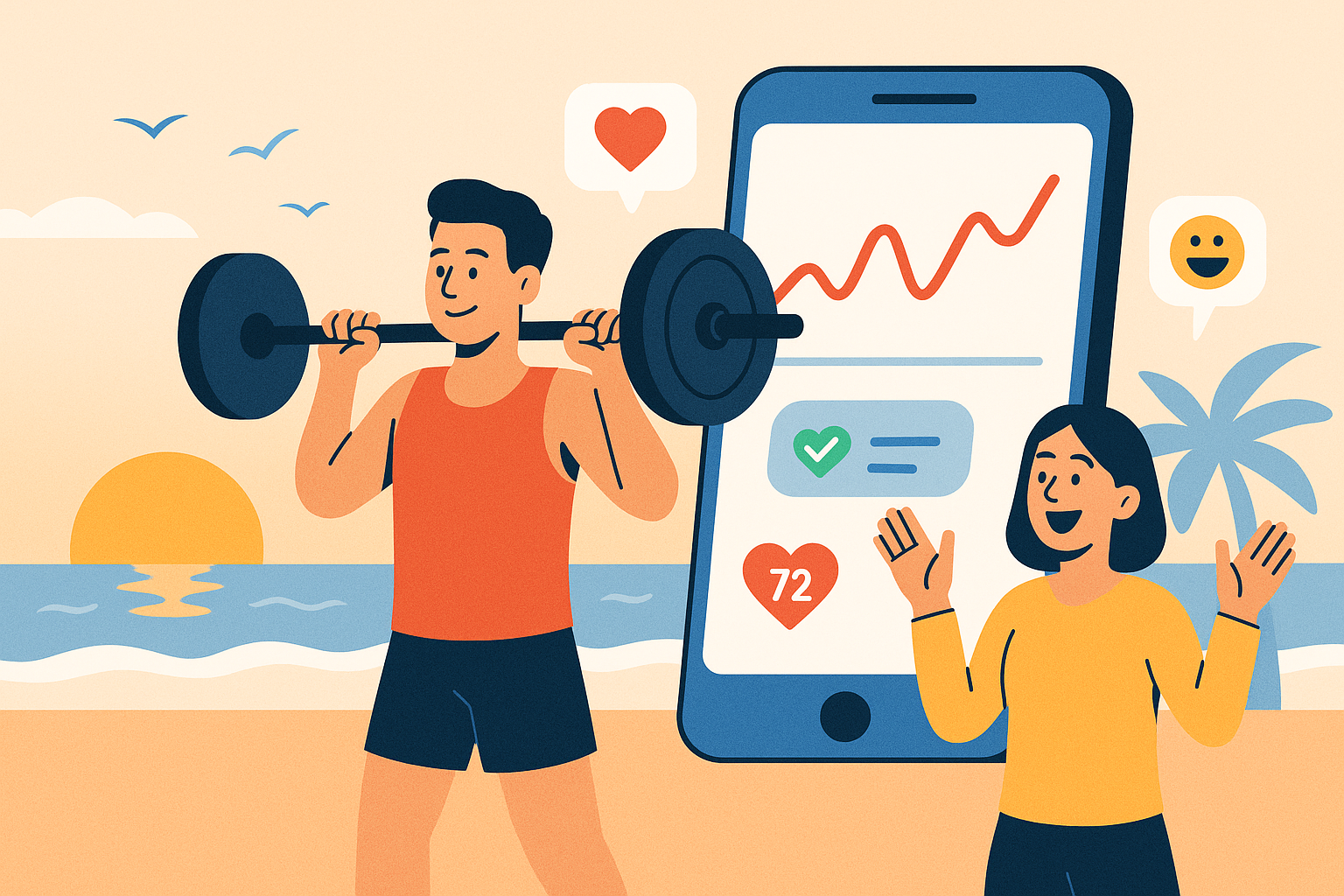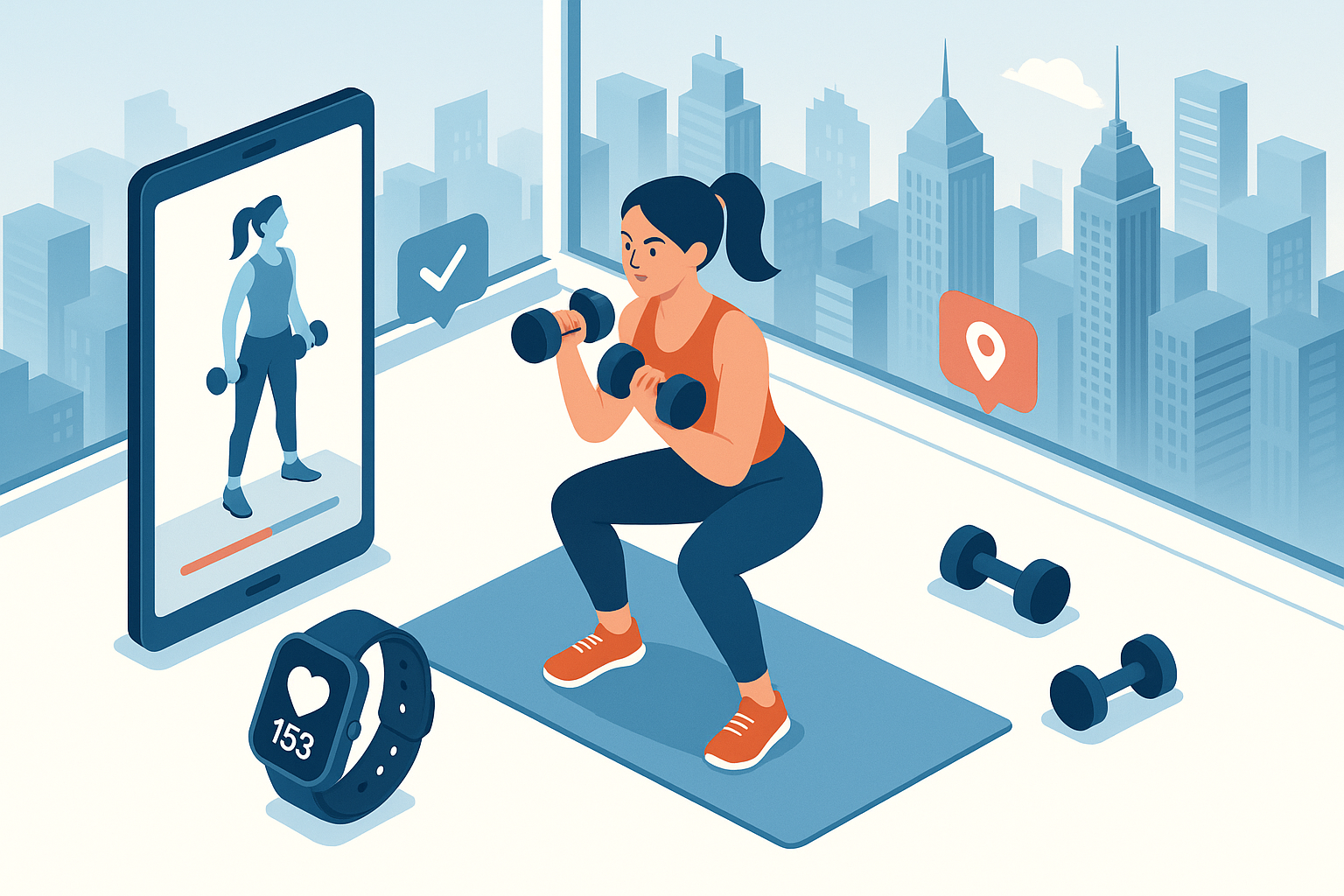
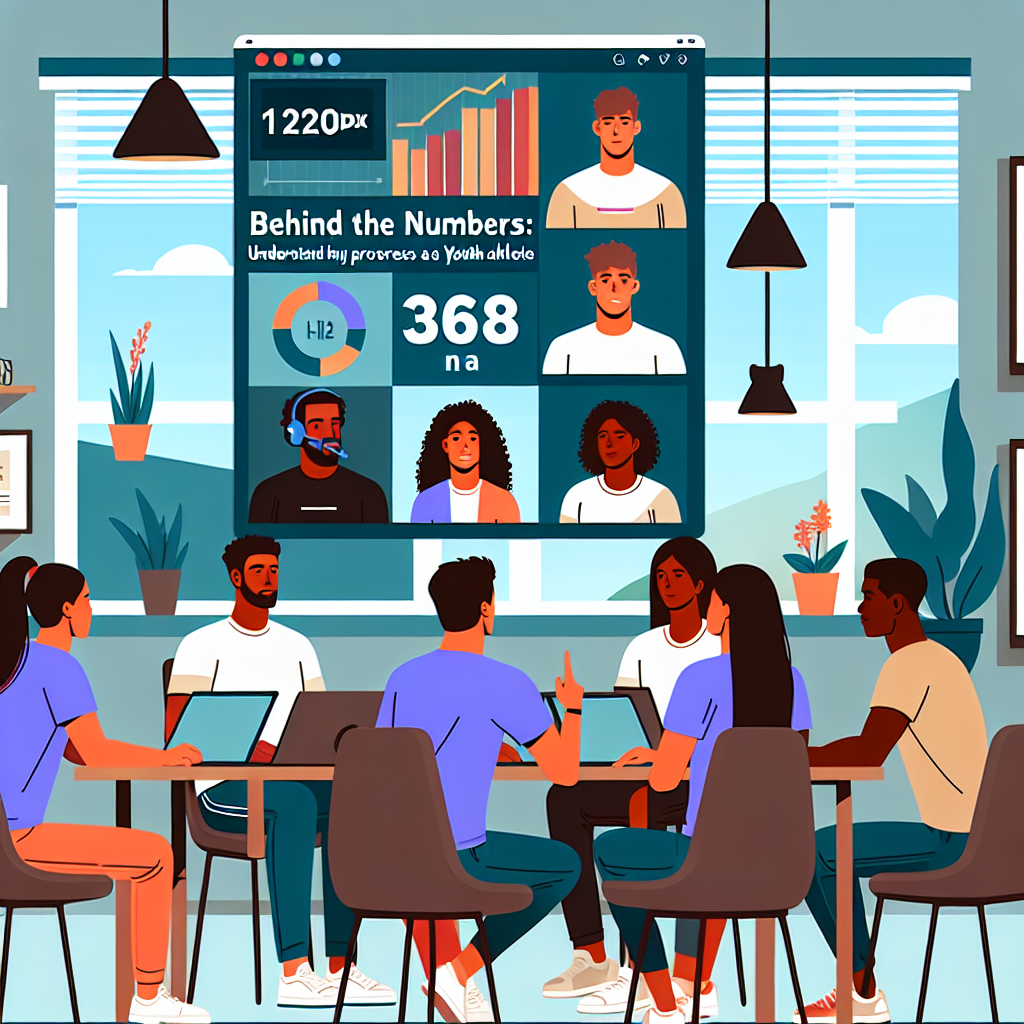
Growing up in a world where data is everywhere, it’s easy to get caught up in the numbers. As a youth athlete, I used to think success meant heavier weights, faster times, or longer jumps. But over time, I’ve learned that the digits on a screen can’t tell the whole story. The journey toward performance, health, and mindful living is deeper than what a tracker can show. At fitgit.me, we’re driven by discovering the “why” behind the “what”—which is why I want to share how I learned to understand my body metrics and use them to fuel progress, not pressure.
What Are Body Metrics—And Why Should You Care?
Body metrics are any measurable data about your physical body and performance. Things like heart rate, sleep quality, hydration levels, muscle recovery, and VO2 max all count. You might track these with a wearable, a fitness app, or your own journal. But whatever method you use, the key is understanding why each number matters and what it tells you about your progress—not just your performance.
As a youth athlete, this was a game-changer. I stopped looking at my metrics like a scorecard and started to treat them like check-ins. Am I sleeping enough to push hard at practice? Is my recovery strategy really working? Am I drinking enough water? These questions helped me connect the data to my day-to-day feelings—and ultimately make better decisions.
Tip #1: Stop Comparing—Start Reflecting
Let’s be honest: the first thing most of us do is compare. Your teammate runs a 5:15 mile—you’re at 5:45. Someone else’s resting heart rate is lower. But here’s the truth I had to learn (sometimes the hard way): your numbers are yours. They’re part of a bigger story only you are writing.
Instead of stacking my stats next to someone else’s, I started comparing them… to myself. What was my sleep like last week versus this week? Did drinking electrolytes after practice improve my endurance? Reflecting on trends helped me spot what was working and what wasn’t. The key to long-term progress isn’t competition—it’s self-awareness.
Tip #2: Pick the Right Metrics for Your Goals
There are endless metrics out there, and tracking them all is a fast route to burnout. I learned to streamline by asking, “What’s my focus right now?” Am I training for explosiveness? Then maybe my sprint time and muscle soreness matter more right now than my resting heart rate. Am I in recovery mode? Then sleep cycles, stress tracking, and hydration suddenly become my top tools.
Understanding what metric aligns with which goal gave me purpose behind every number. It wasn’t about data logging—it was about intentional progress. That’s what living mindfully looks like in the digital era.
Tip #3: Know When to Listen to the Data—and When to Listen to Your Body
One time, my tracker told me I was crushing it. My recovery score was high. My heart rate variability was perfect. But I felt wrecked. Heavy legs, fuzzy brain, unmotivated. I had to learn: even the best data can’t detect everything.
Being a youth athlete means learning when to trust the numbers and when to trust your gut. Sometimes your body whispers before the data catches up. If your body tells you to pull back, don’t wait for a red zone warning. Developing intuition, listening closely, and resting when needed—that’s progress too.
Tip #4: Make Tracking Part of Your Daily Rhythm
At first, tracking felt like a chore—something I had to remember on top of homework, practice, and everything else. But once I built it into my daily rhythm, it became natural. Every night before bed, I checked in: How was my energy today? What’s my sleep plan? What does my hydration look like?
Creating these small moments of reflection helped me connect with myself. Not just as an athlete, but as a human being. The best part? It didn’t add pressure. It added peace. That’s when I realized real performance comes from consistent, mindful living.
Tip #5: Celebrate Non-Trackable Wins
There’s something I call “invisible victories.” They’re the moments that data can’t measure—things like bouncing back from failure, staying focused when things get hard, encouraging a teammate, or sticking with a routine even when results are slow. These wins matter, even when they don’t show up in your app.
If you only celebrate the numbers, you’ll miss the magic. The real transformation is internal. Track progress, yes. But don’t let metrics limit your growth. You’re becoming stronger in ways no graph could ever capture.
Tip #6: Use Tech, But Don’t Be Ruled by It
The digital industry gives us some of the most powerful tools ever created: health sensors, sleep monitors, GPS tracking, performance analytics. These tools are here to help us train smarter—but not become robots.
At fitgit.me, we believe technology should empower mindful living. That means balance. Use your tracker as a compass, not a controller. The goal is to tune in—not tune out. Whether you’re syncing steps or scanning trends, always come back to asking: “How do I feel? And what do I truly need today?”
Tip #7: Talk About It—You’re Not Alone
Sometimes metrics bring anxiety. You see a dip in performance or a spike in stress levels and start spiraling. I’ve been there. That’s why it helps to talk to coaches, teammates, or even online communities. Other athletes are facing the same challenges. We grow stronger when we’re open about the journey.
Sharing our struggles makes us more resilient. And it reminds us: we are not the numbers. We are the story behind them.
Tip #8: Track Progress, Not Perfection
The goal of tracking isn’t to be perfect. It’s to be better than yesterday. Some weeks you’ll crush your hydration. Others, your sleep might fall apart. That’s normal. What matters is adjusting, learning, and keeping going. Every data point is a step forward—even the ones that feel like regressions.
Progress is messy. It happens in plateaus and leaps. But when you take the long view and enjoy the process, you build more than athletic ability—you build character.
Final Thoughts: You Are More Than Your Metrics
In today’s digital age, numbers are everywhere: pace, calories, bpm, hours. But as a youth athlete walking this path, I’ve found the most powerful metric is one you’ll never see on a screen—your mindset. Stay curious, keep reflecting, and trust your inner signals as much as your digital ones.
It’s not about chasing perfection. It’s about understanding your story—set by data, guided by experience, and fueled by passion. The metrics matter, yes. But what matters more is the meaning you give them.
So keep tracking. Keep asking questions. And always remember to TTFBs!!!