There was a time I thought I had everything figured out. I was leading group classes five days a week, coasting on adrenaline, sweat, and high-fives from the best tribe you could imagine. But then came the burnout, the injury, and a hard realization: I had built my body, but not my foundation. This is the story of how I rebuilt it—one step, one habit, and one recovery tool at a time. And yes, every lesson came wrapped in neon-laced sneakers and foam rollers, reminding me fitness isn’t just movement—it’s momentum. Welcome to my routine.
Step 1: Acknowledging the Burnout—And Embracing the Pause
I’ll never forget limping out of a Thursday night HIIT class, bags under my eyes and pain shooting up my right shin. I was passionate, consistent, and overtrained. My body had finally raised a red flag I’d been ignoring: Rest is as much a part of training as rep counts.
The pause was brutal. I missed the community, the music, the synchronized breathing of a packed studio. But it gave me perspective. I started journaling workouts, tracking energy levels, and practicing mindfulness. I dove into digital tools like the Fitgit.me Habit Tracker, helping me identify patterns of overtraining and moments that needed more recovery. Suddenly, I saw habit building less as discipline and more as data-driven self-care.
Step 2: Rebuilding from the Ground Up (Yes, Literally My Feet)
My comeback started in socks. Orthopedic, thrillingly unglamorous socks that stabilized my form. Then came my favorite training sneakers—shock-absorbing, ankle-saving, and brutally honest. Every tool I added to my fitness kit was a form of compassion, a whisper that said, “Don’t push until you break, train until you adapt.”
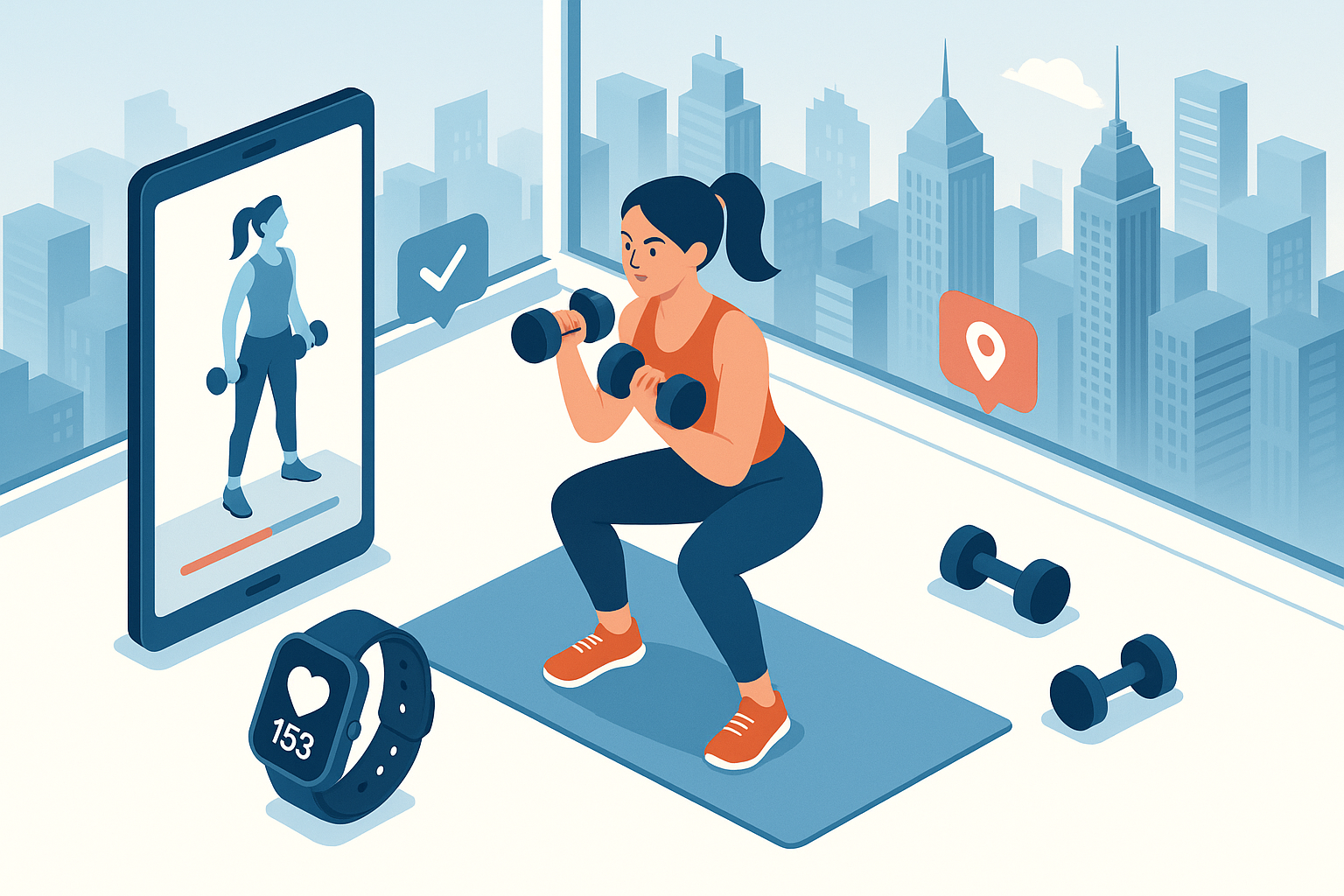
I layered on my gear like armor. Resistance bands for low-impact strength, a smart water bottle that reminded me to hydrate, and a digital mat that tracked posture in real-time. These weren’t just gadgets—they were teachers. Each one nudging my habits in the right direction.
Step 3: Returning to Group Classes—Wiser, Healthier, Stronger
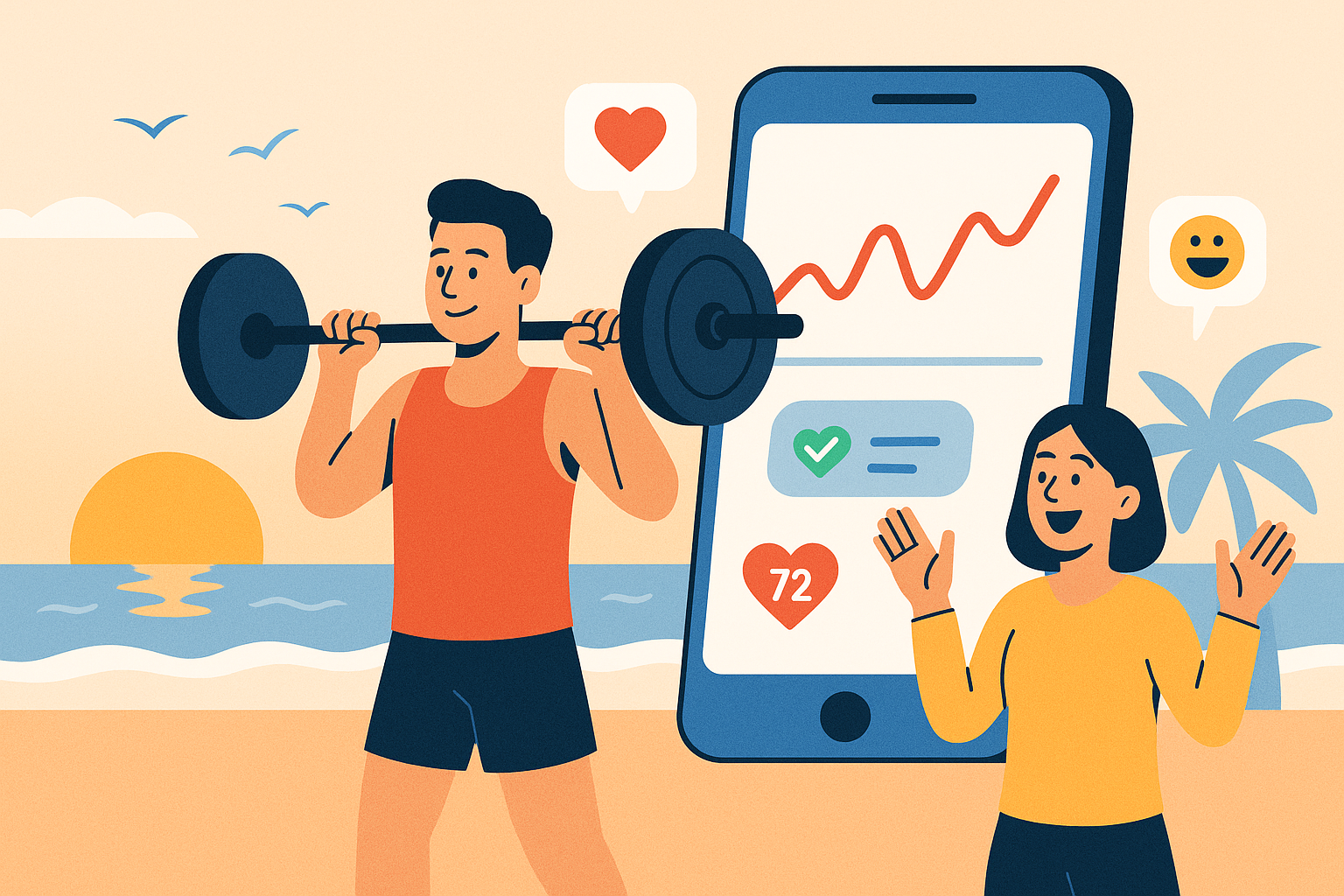
The day I rejoined class, I swapped the leaderboard mindset for something deeper: awareness. My favorite instructor smiled, music dropped, and as we dove into burpees, I moved with purpose, not panic. Thanks to my wearable that monitored heart rate zones, I paced myself without ego, targeting longevity—not just intensity.
I learned to habit stack. After each class, five minutes of grounding exercises. Sundays became “Recovery & Reset,” where I’d clean my gear, sync my Fitgit data, and plan the week with intention. Tools like these became sacred—not for performance metrics, but for accountability and grace.
Step 4: Tools That Built My Comeback Routine
Want my exact comeback kit? Let’s run it down:
- Fitgit.me Digital Habit Tracker: Keeps my weekly splits consistent and recovery on course.
- TheraFoam Roller X: Targets deep-tissue knots better than any massage I’ve had.
- HydraSmart Bottle: Tracks hydration goals, syncing with my Apple Health app.
- Smart Yoga Mat: Feedback on balance, alignment, and custom flows via Bluetooth.
- Polar H10 Heart Rate Monitor: Keeps me safely in my ideal training zone, preventing burnout.
Every piece of this kit isn’t just gear—it’s partnership. A mirror showing me consistency over chaos, recovery over rebellion.
Step 5: Building Habits, Not Just Schedules
Here’s the secret every group fitness lover must learn eventually: Routine isn’t the class you go to. It’s the life you build around it. I created morning stretches that made 6AM wakeups joyful. I use Fitgit to log my toughest days alongside my triumphs so I could track trends, not just times.
Fitness isn’t one epic sprint—it’s bricklaying. Day after day, you stack little wins. My tools saved me not because of cutting-edge tech, but because they anchored me in *habit building*, even when motivation had left the room.
Step 6: Leading Others With Empathy
Today, when I cue “Listen to your body” in class, I mean it. I stand inside my gear, wrapped in the wisdom of setbacks. I share not only my max effort and playlists, but my lessons—especially the ones that hurt.
I encourage every student to find their tools, not to chase perfection, but to channel purpose. Whether it’s a digital planner or a mental health playlist, what matters is finding anchors that keep you showing up for yourself.
So if you’re in a low, if you’ve pulled back from the group class floor to nurse a wound or find your why—take it from me. With the right tools, habits, and heart, you’ll not just return. You’ll rise stronger.
Always remember to TTFBs!!! (Track The Fit Bits)