In the fast-paced world of digital work, where deadlines never sleep and screens rarely blink, it’s easy to lose touch with the basic needs of our minds and bodies. I’ve been there: skipping workouts, rushing meals, and ignoring physical cues—all in the name of productivity. But when burnout finally knocked me flat, I realized something had to change. This is the story of how personal setbacks became my greatest teachers—and how I built a daily routine that brought balance back into my nutrition-focused lifestyle. If you’re juggling fitness, work, and well-being in the digital industry, this blog is for you.
Step 1: Acknowledge the Setback and Accept Responsibility
My path to burnout didn’t happen overnight. It built slowly, fueled by long hours, neglected meals, and a belief that rest was for the weak. When my energy dropped and my immune system faltered, I hit a wall—hard. At first, I blamed the work. Then, I got honest. This wasn’t about workload; it was about boundaries. Taking ownership was the first major shift. Instead of seeing fitness and nutrition as something I “didn’t have time for,” I reframed them as priorities I was choosing to ignore.
Step 2: Map Out Your Values
I sat down and made a list of what truly mattered to me: longevity, mental clarity, strength, focus, and time with loved ones. Interestingly, none of these values aligned with my then-habit of skipping breakfast, sitting all day, or avoiding sleep. This clarity was powerful. It helped me redefine success—not by hours worked, but by energy sustained. Once I anchored my goals to these values, fitness and nutrition became non-negotiable, not optional.
Step 3: Build Foundational Habits
Without habits, intentions remain dreams. Enter habit building, the quiet superpower of transformation. I didn’t overhaul my life overnight. Instead, I started with small wins:
- 5-minute morning mobility before my first meeting.
- Prepped protein-rich lunches on Sundays to avoid digital-junk snacking.
- Used calendar blocks to schedule workouts like meetings—with non-negotiable status.
These simple pieces, done daily, created momentum. And momentum turned into consistency. In the digital world, where everything competes for attention, consistency is the ultimate rebellion.
Step 4: Align Workflows with Wellness
Our industry doesn’t typically support downtime. But I realized that the most creative, productive version of me shows up when my body and mind are energized. So I stopped waiting for life to slow down and started integrating fitness into it:
- Walking calls replaced Zoom marathons.
- Pomodoro blocks ended with quick stretches or hydration breaks.
- I kept healthy snacks within arm’s reach to fight digital fatigue snacking.
Each system tweak protected my energy reserves. It wasn’t about working less—it was about working smarter and living longer.
Step 5: Redefine Progress (This One’s Crucial)
My old fitness mindset was all or nothing. It held me hostage: if I couldn’t do a perfect 60-minute workout, I’d skip it entirely. But digital life demands flexibility. So I adopted the “better-than-nothing” rule. Ten minutes of mindful movement may not impress Instagram—but it can change your body over time. Progress is less about intensity, and more about repeatability. In the end, the small, steady choices always win.
Step 6: Cultivate a Community of Accountability
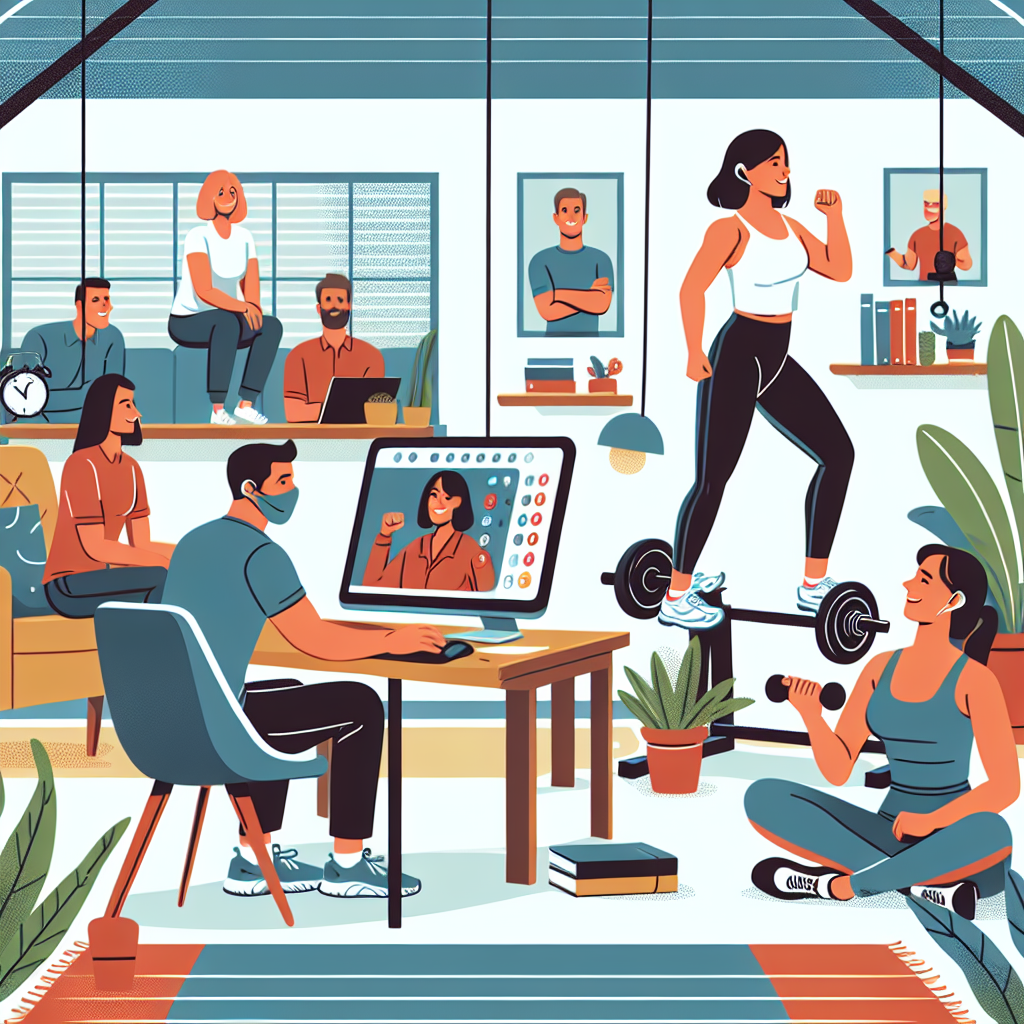
Habit change thrives in meaningful connection. I found a Slack group for remote fitness enthusiasts. We logged meals, swapped playlists, and cheered on daily wins. I started using social media intentionally—to document progress, not perfection. When motivation faded, these people lifted me up. And I did the same for them. If you’re isolated in your fitness journey, find your tribe, even digitally. They’ll keep you grounded and growing.
Step 7: Reflect, Reboot, Repeat
No system is foolproof. Life gets loud again. There are missed workouts, rushed meals, and late nights. But the beauty of using setbacks as teachers is that we no longer fear them. I’ve built space into my schedule for reflection Sundays—15 minutes to review what worked, what didn’t, and what needs tweaking. The goal isn’t perfection. The goal is recalibration. Every week is a chance to realign life with who you’re becoming.
Step 8: Protect Your Energy Like a Digital Asset
In the digital field, our energy is our currency. We spend it across screens, timelines, client calls, and code reviews. But without fitness and nutrition anchoring our day, we overdraw from our reserves. That’s not sustainable. Now, I treat movement, meals, and sleep like bank deposits. I invest in me—because a thriving mind needs a resilient body to carry it forward.
Step 9: Automate What You Can, Stay Present Where It Counts
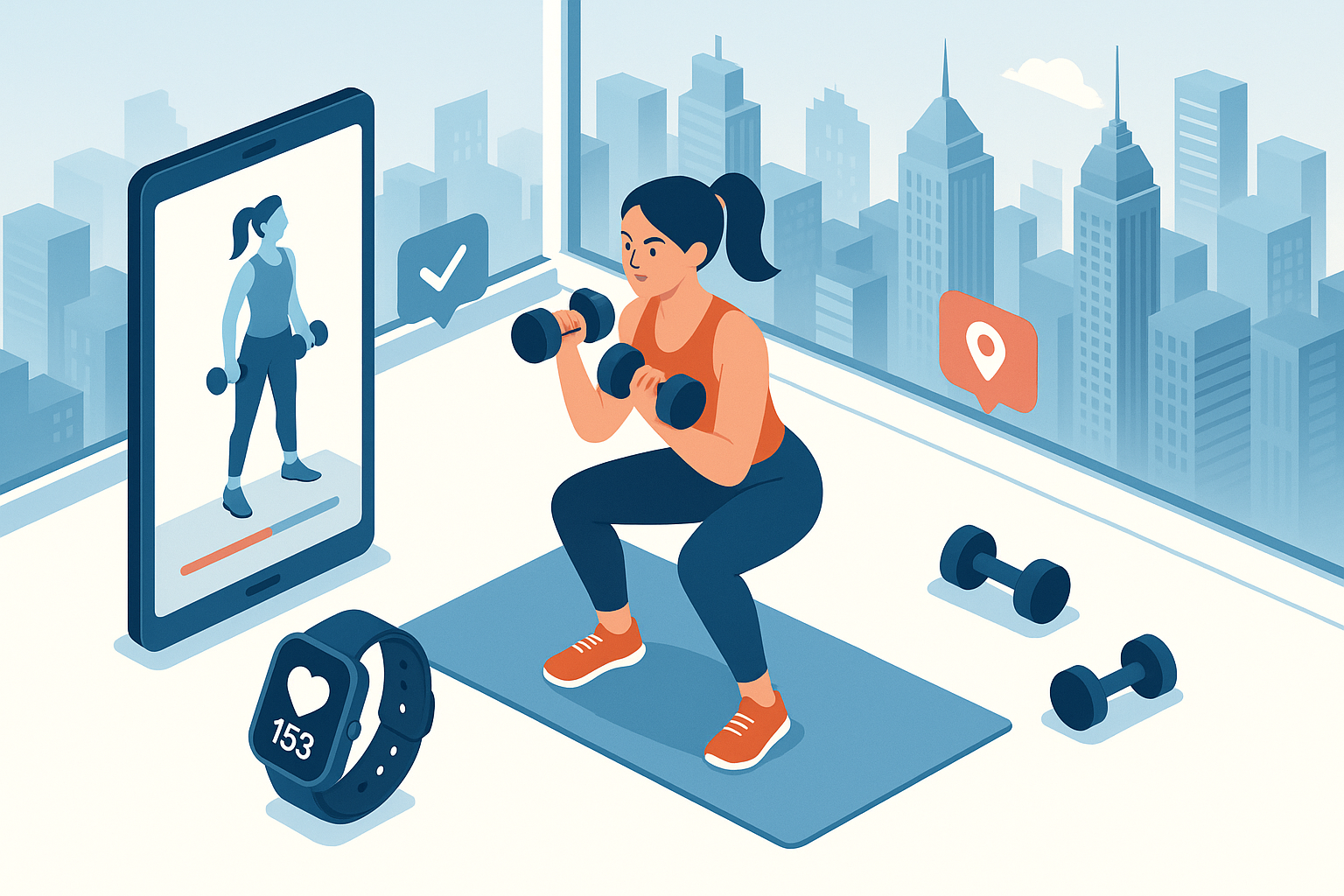
Use tech to support your fitness goals: wearable trackers, meal planning apps, smart watches with reminders to move. But also create spaces where your presence matters more than any screen. Morning sunlight. Mealtime joy. Evening walks to unplug. Balance is built in the decisions between automation and mindfulness. Both belong in the day of a wellness-focused digital professional.
Step 10: Always Return to the “Why”
On days when the chaos returns—when deadlines mount, inboxes explode, or energy dips—come home to your “why.” Mine is simple: I move so I can serve with fire, think with clarity, and love with energy. When that’s clear, resilience kicks in and excuses fade.
Whether you’re freelancing in cafes or leading global product teams from home, you can live a balanced life. Prioritize what fuels you. Schedule what matters. And show up—as the healthiest version of you—even on the busy days.
Your routine doesn’t need to be perfect. It just needs to be yours. Always remember to TTFBs!!!