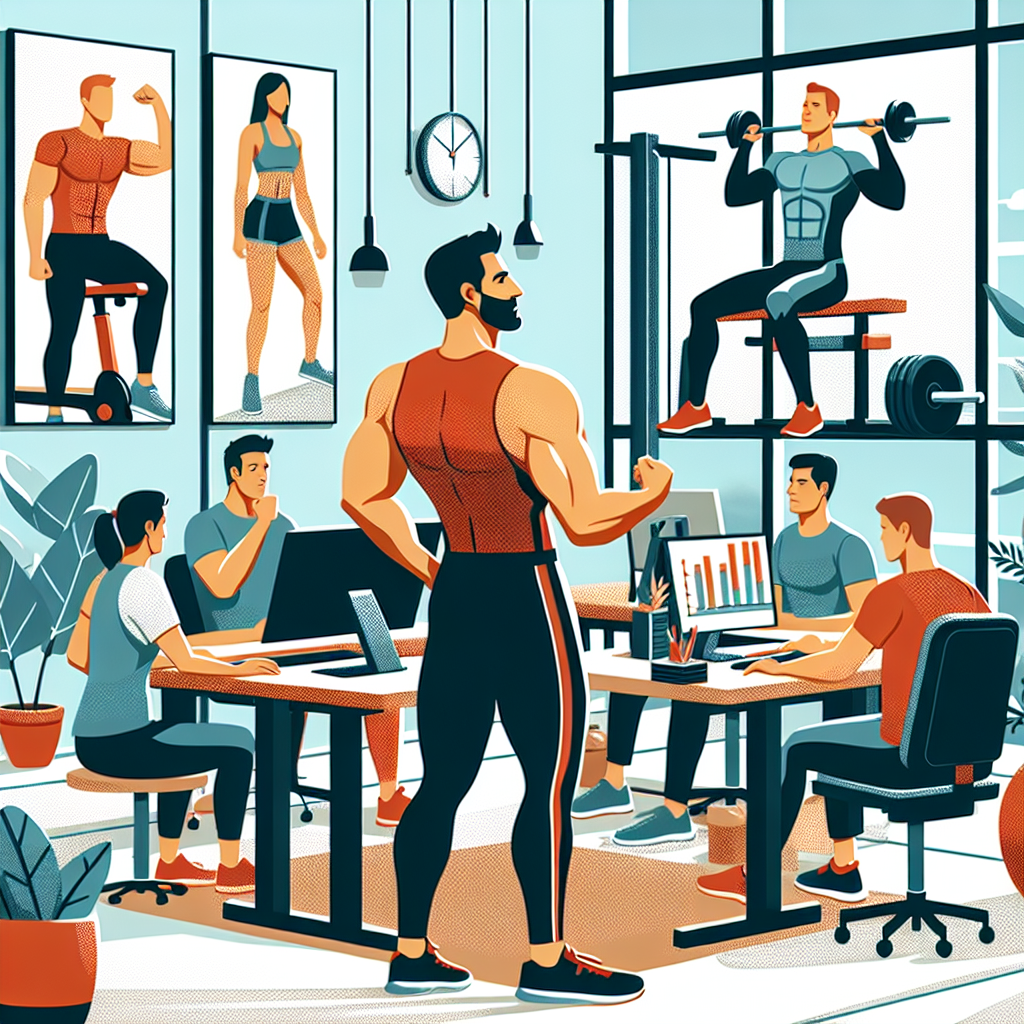
At 54, David Chan sat in his home office staring at dual monitors, debugging a section of legacy code. He was also debugging his body—stiff joints, shortness of breath after short walks, and lackluster focus. A seasoned full-stack engineer with a passion for clean code and performance optimization, David decided it was time to refactor something more important than his latest app: himself.
Facing the Lag: Realizing It’s Time for an Update
David’s wake-up call came during one particularly taxing project deadline. The long hours, punctuated by snacks and screen time, led to a frighteningly high resting heart rate and difficulty sleeping. When his smartwatch metrics showed his VO₂ max trending downward for months, he knew a crash was imminent—not for the codebase, but for his own system.
Instead of ignoring the warnings, David treated his health like technical debt: something he’d delayed long enough. It was finally time to pivot.
Rewriting the Game Plan with Data-Driven Living
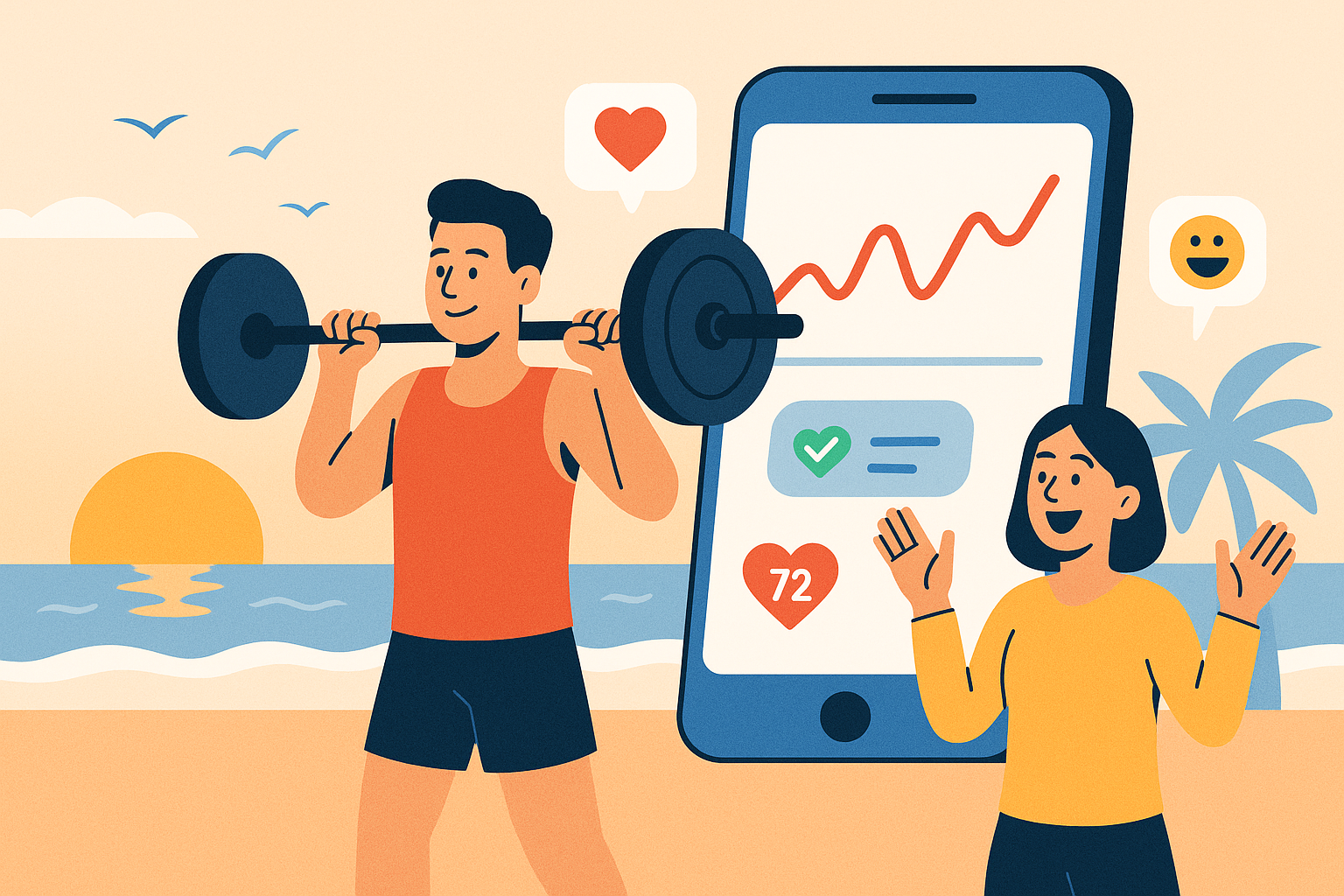
As a biohacker by nature, David didn’t guess his way into wellness. He used tools like continuous glucose monitors, wearable HRV trackers, and daily sleep score logs to assess his baseline. He prioritized body metrics over vague goals and created a dashboard to track his daily variables like a developer would debug performance spikes.
He didn’t over-engineer the process. His first three adjustments were realistic:
- 15-minute walks after each meal
- Intermittent fasting (18:6 method)
- Reducing caffeine intake based on sleep latency data
This gave him measurable feedback without disrupting his work rhythm. Within two weeks, his resting heart rate dropped 7 BPM, and responding to emails no longer felt like dragging through mud.
Training for Longevity, Not Vanity
David was clear on one thing: he wasn’t chasing six-pack abs or marathon medals. He wanted better mornings, sharper focus, and the energy to bike with his daughters on weekends. At 54, his fitness goals were functional:
- Mobility – 3x weekly yoga, using a YouTube playlist
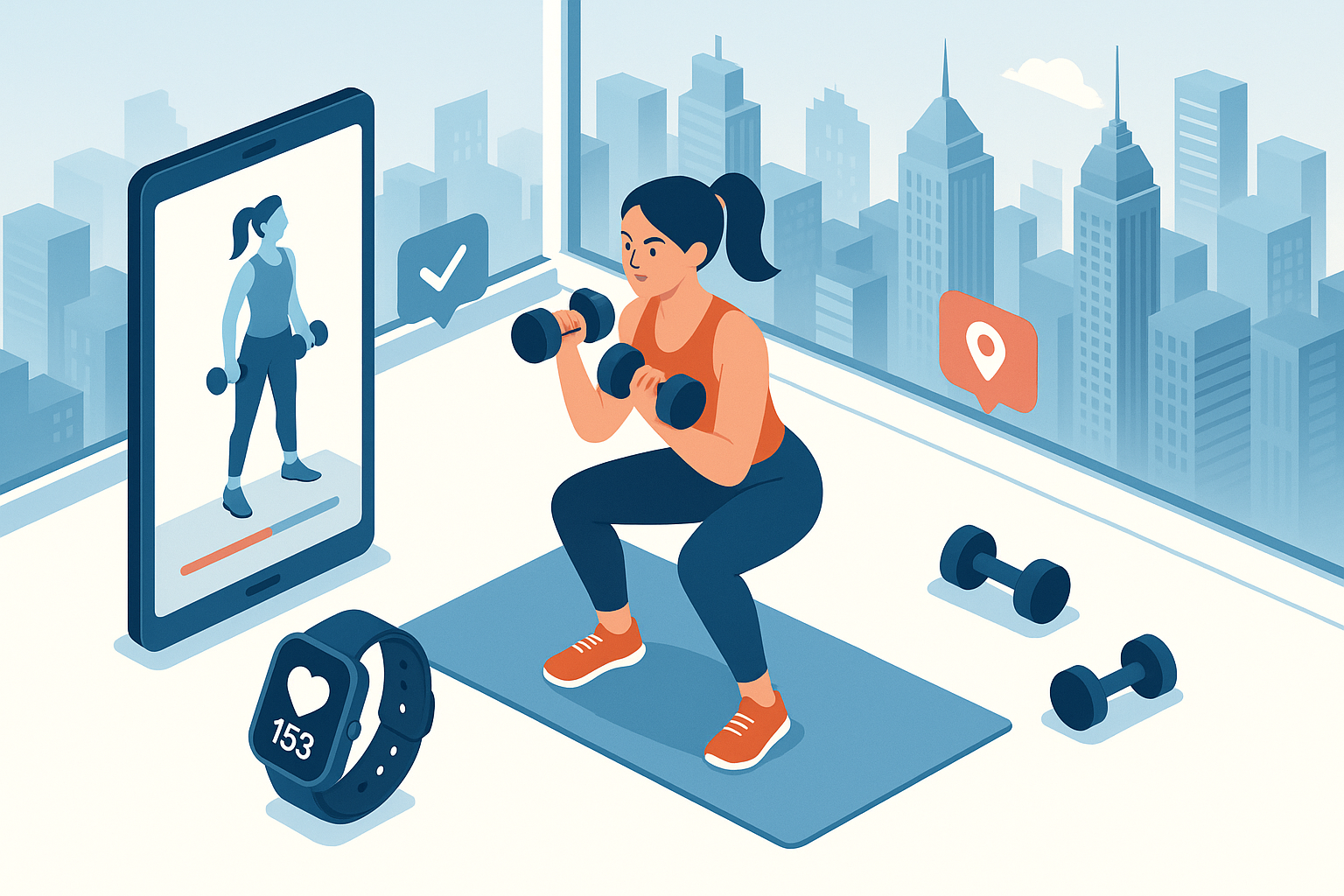
- Strength – Two 30-minute bodyweight workouts per week
- Endurance – Weekend hikes, tracked with his favorite trail app
And he used heart rate zones to guide his sessions—not intensity for intensity’s sake, but to optimize mitochondrial health and cognitive resilience across long hours of screen-bound labor.
Zero Downtime Isn’t Sustainable—Recovery Is the Real Upgrade
One of David’s biggest shifts was how he approached rest. Long caught in the startup-era myth of “grind equals growth,” he realized quality results came not just from execution but from deliberate recharging.
He started honoring sleep like he honored deployment windows: no late-night coding after 10 p.m., cool-dark sleep environments, and magnesium supplementation. He also scheduled light walks between work sprints, aligning movement with the Pomodoro technique.
The result? Not just physical pep, but mental clarity. David described the effect as “code compiling faster in my brain.”
The Metrics Tell the Story
In less than six months, David’s body metrics painted a new picture:
- Lost 18 pounds (sustainably)
- HRV increased by 22%
- Deep sleep duration up 40 minutes per night
- Postprandial glucose spikes reduced by 35%
But beyond the numbers, he discovered a powerful truth: improving health wasn’t about perfection. It was about stability, predictability, and optimizing for longevity—just like in systems architecture.
Conclusion: Health as a Long-Term Commit
David’s story isn’t about radical reinvention. It’s a realistic overhaul built on data, discipline, and debugging his defaults. Whether you’re 40, 50, or 60+, your best years aren’t behind you—they just require a system update designed around your metrics, mission, and capacity. Especially in the digital world, where mental performance is currency, staying fit is no longer optional—it’s essential infrastructure.
Always remember to TTFBs!!!