The digital era has handed the world’s knowledge—and distraction—right into your pocket. For youth athletes carving out a long-term future in performance and health, that’s a double-edged sword. Between endless doom-scrolling, binge-watching fitness hacks, and jumping onto every trending challenge, it’s easy to lose sight of what actually gets real results. At fitgit.me, we’re cutting through the noise. This post isn’t about deleting your apps or living in a cave. It’s about shifting your mindset and building the kind of digital discipline that propels both your athletic goals and personal development. Let’s get honest, practical, and focused.
Understand the Digital Drain
You can’t fix what you won’t face. Most athletes underestimate how many hours they’re surrendering to screens outside of intentional training and studying. It adds up fast—scrolling TikTok for “inspiration,” bouncing between fitness content, watching breakdowns of plays, and throwing in a few rounds of gaming “just to relax.” But here’s the truth: your time isn’t just being wasted, it’s being recruited. The digital world thrives on keeping you reactive instead of proactive.
The result? Impaired sleep, inconsistent routines, missed home workouts, and a diluted sense of discipline. Bleeding edge in tech doesn’t matter if your personal edge gets dulled.
Build a Mindful Digital Routine
This doesn’t mean you delete every app, but you definitely need to set boundaries. Start by auditing your digital behaviors for a week. Use built-in tools like Screen Time (iOS) or Digital Wellbeing (Android) to get the data. No need to lie to yourself—it’s a mirror, not a judgment.
Then, treat your digital life like your training: time-blocked and purpose-driven. Assign periods for fitness content, gaming, study, and passive entertainment. Keep it tight. Keep it honest. You’re not cutting joy. You’re cutting distraction.
Double Down on Purposeful Inputs
If you’re consuming content, consume with intent. Switch from mindless to mindful: trade popular “shortcut workouts” for vetted, progressive home workouts that follow actual programming principles. Curate your feed—follow coaches, rehab specialists, psychologists, and athletes who talk about long-term capacity, not just one-week transformations.
Look for content that makes you pause and apply, not just like and swipe. That shift alone builds a performance mindset and filters your reality for excellence.
Create Space to Think
One thing the current generation risks losing is unstructured mental space. You come off a hard practice or finish a solid lift, and before your body even cools down, your fingers are back on a screen. But reflection is where athletes level up. You need that quiet. That space to notice: How did I feel during that third set? What did I execute under pressure? Where was I mentally today?
Intentionally shut down your device for 10–15 minutes post-workout and just… be. Journal. Walk. Stretch. You’ll learn to hear the voice inside you that says, “That was enough” or “I’ve got more.” That’s the muscle that matters.
Use Tech to Elevate, Not Escape
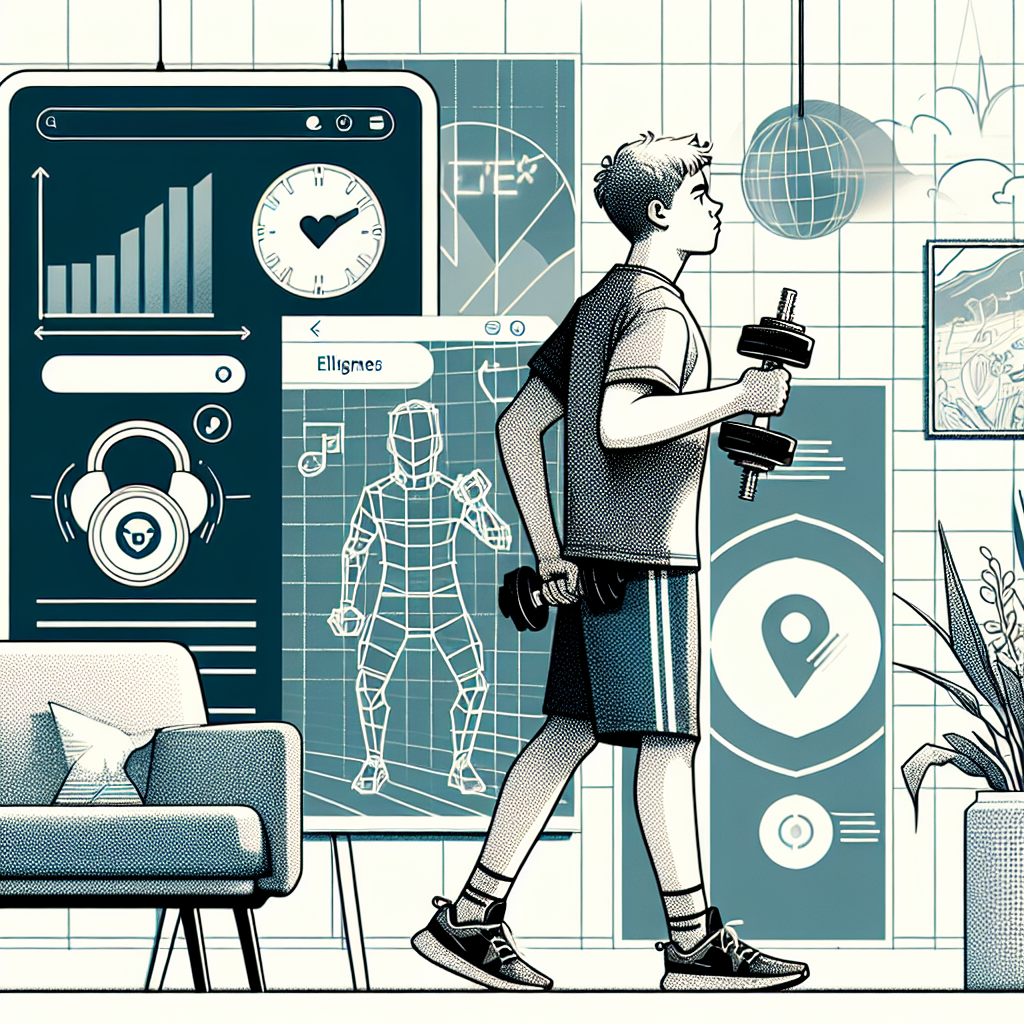
You’re not anti-tech. In fact, you’re tech-powered. But digital tools should elevate your training—not give you an exit. Use wearables for feedback, not likes. Use apps that track progress, not ones that steal it. If you train at home, make sure your tech stack supports those goals. Fitgit.me home workouts and trackers are designed for youth athletes who want to stay consistent, off-season to in-season.
Keep it tactical: fast loading, minimal taps, max data. Anything more is friction and fluff.
Connect in the Real World
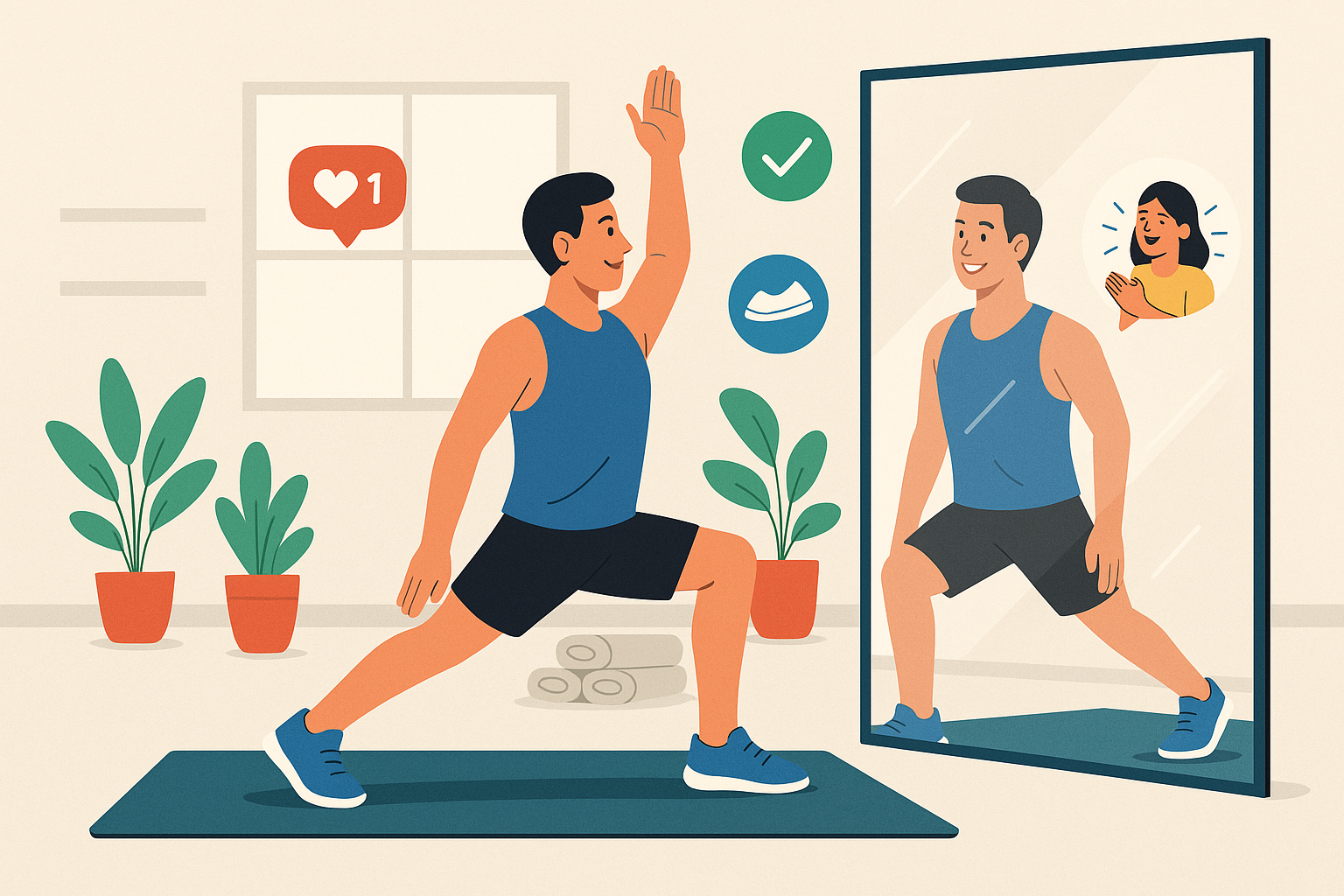
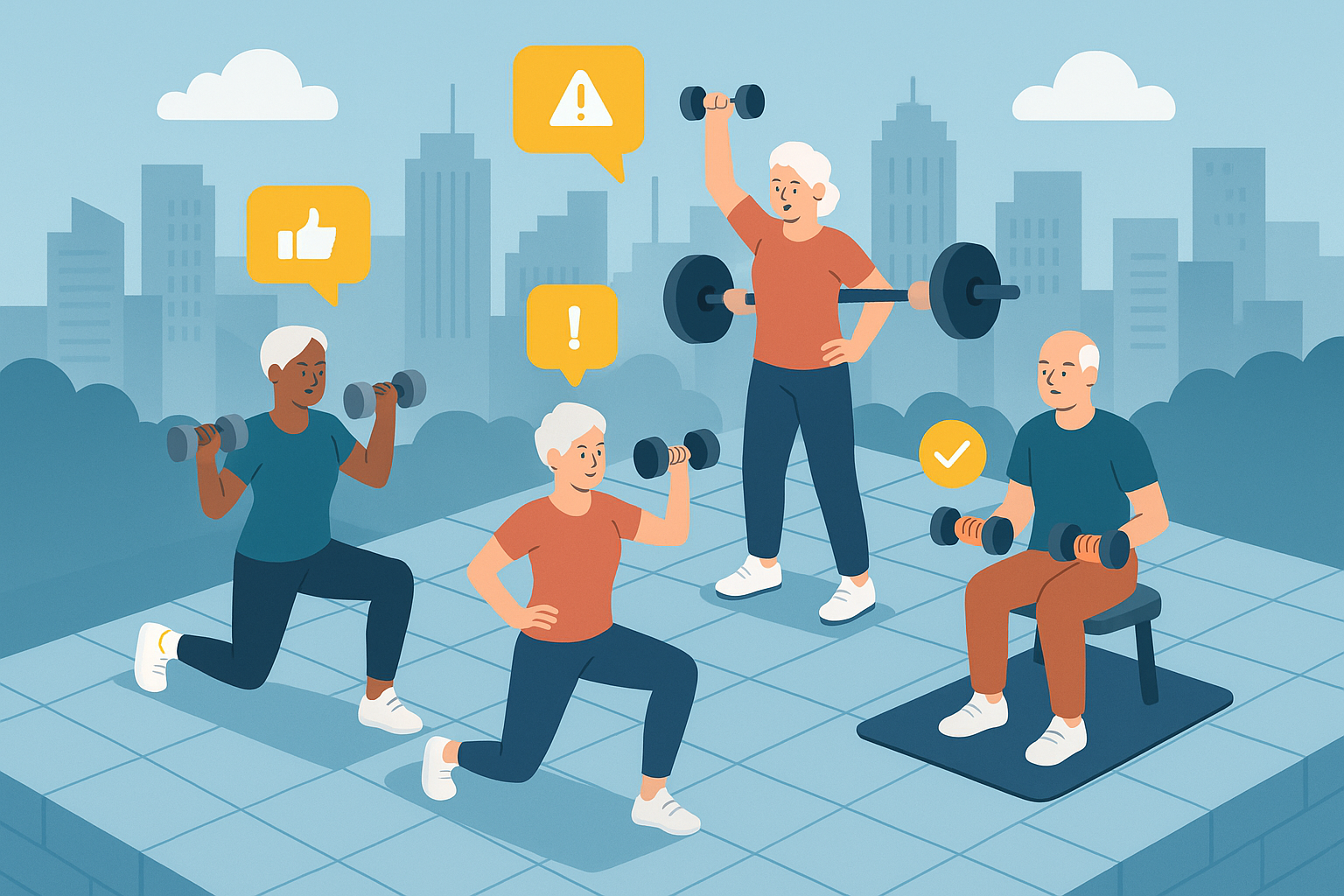
The best part of sport isn’t digital—it’s personal. It’s playing under stadium lights, breaking barriers with your team, and feeling that endorphin rush after a PR. Don’t replace that with comment-section validation. Prioritize real-world meetups, group sessions, outdoor hustle, and actual conversations about mindset and growth.
Every hour with real sweat and real people adds compound interest to your game.
Prevent Burnout by Managing Inputs
Burnout doesn’t come from just doing too much—it often comes from absorbing too much. If everyone else’s feed is showing a highlight reel, your brain starts echoing: not fast enough, not lean enough, not committed enough. That’s a lie.
Keep a tight filter on who you follow and what you absorb. Set weekly content detox days where you absorb zero social media. Instead, go analog. Review film, revisit training logs, visualize success. Just because the digital world never sleeps doesn’t mean you should hustle without breath.
Track Your Focus, Not Just Your Fitness
Your mindset is more important than your max bench. Success in sport (and life) is more about clarity under pressure than it is about flashy metrics. Build routines that track both—your focus levels, your mental resilience, your digital hygiene.
Set goals around minimizing distraction. Track your screen time like your calories. Journal wins where you overcame the pull of digital noise to show up for your routine. Those are the real flexes.
Choosing to spend less time on screens and more time on purpose-led action isn’t about deprivation; it’s a performance move. In the end, digital discipline is about energy control—and where your attention goes, your improvement flows.
Time to level up outside the screen.
Always remember to TTFBs!!!