In a world where remote work, virtual sprints, and endless Zoom fatigue dominate the daily rhythm, I found myself sinking—physically, mentally, and emotionally. My life revolved around deadlines, screen refreshes, and deliverables. I was excelling as a product manager in the fast-paced digital world, but behind the success metrics and agile boards, my health was deteriorating. My story isn’t just about weight loss—it’s about reclaiming my energy through sustainable lifestyle habits, rethinking my daily routine, and finally building habits that stick.
The Wake-Up Call: When Digital Thriving Meets Physical Decline
I was 34, thriving in my career, hitting KPIs like clockwork, and yet every night I felt depleted. My weight had crept up to 265 lbs. I justified my choices—another energy drink, skipped lunches, late dinners, caffeine overdoses—because I was “hustling.” My calendar dictated my life, and I thought self-care was a luxury I couldn’t afford.
It wasn’t until a cold, rainy Thursday, during a quarterly performance review, that I looked at my webcam reflection and truly saw myself: pale, bloated, and emotionally disconnected from the energized leader I used to be.
That’s when I knew: My digital life had broken free from the screen—it had taken over my mind and body.
The First Shift: Breaking the Cycle with Micro Habits
Reinvention didn’t start with massive changes—just micro wins. I began by crafting a simple daily routine built on the principle of “minimum viable change.” In tech terms, I shipped a personal beta version of me.
- Morning Hydration: Before coffee, I drank 16 oz of water. It was a small ritual that reminded me to pause—something a sprint retrospective taught me.
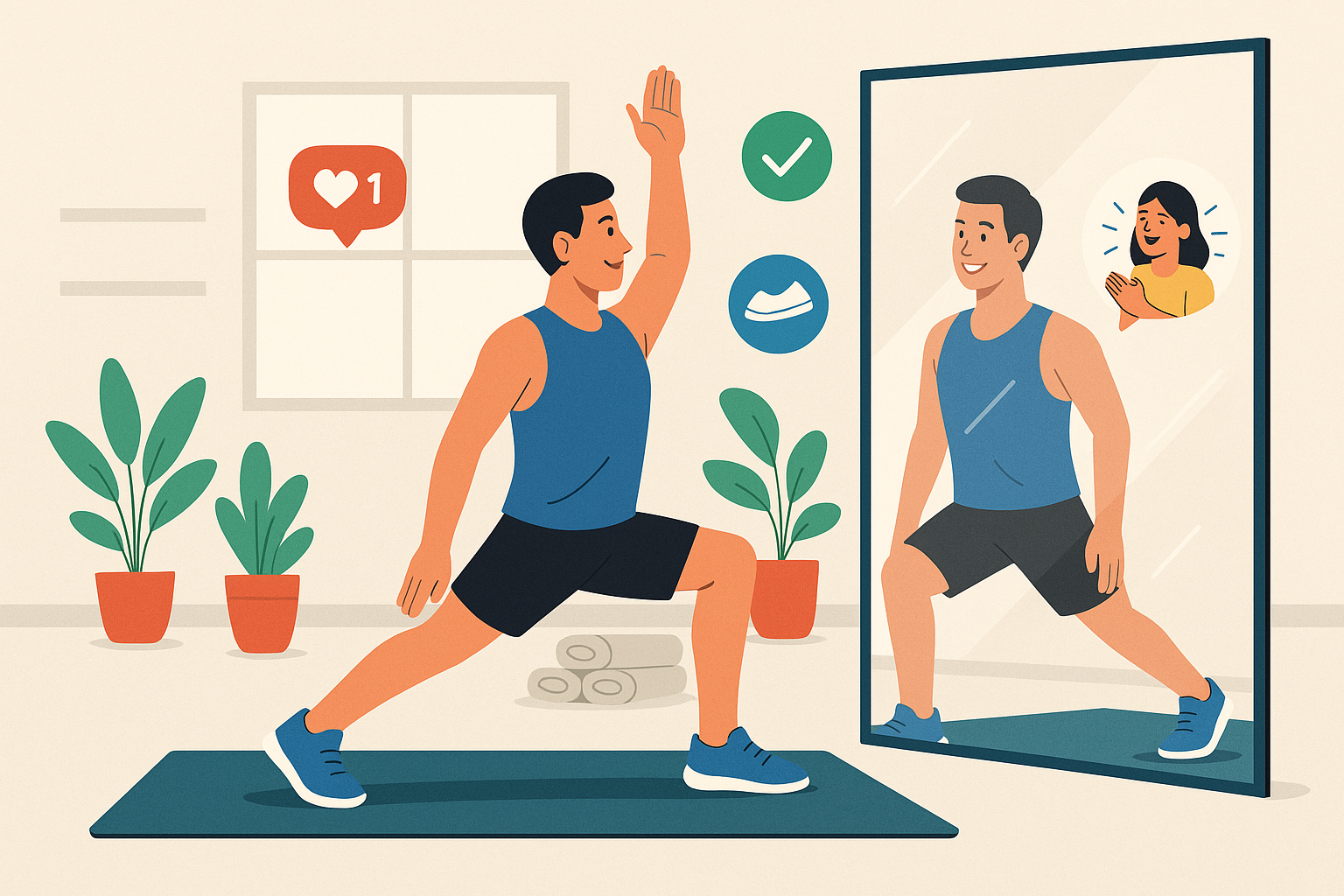
- Work Blocks with Movement: I swapped 2 of my hourly stand-ups for actual standing…and walking. 5-minute circuits during calendar breaks. That was it.
- Meal Prepping Sundays: Just 3 meals a week prepped in bulk. Eating with intention rather than impulse.
It wasn’t epic, but it was executable. And in digital, we know the power of small, testable iterations. I challenged myself to add—or subtract—one habit per week. Some flopped. But others stuck. And that’s what mattered.
The Power of Identity: Becoming the Person I Wanted to Be
The real turn came not with losing pounds, but with gaining perspective. I realized that I wasn’t trying to “get healthy” or “lose weight”—I was trying to become the person who lives that way, every day.
In the tech world, we often talk about shipping product-market fit. What about human-life fit?
Here’s what I did to re-architect my identity:
- I stopped labeling myself the busy digital guy and started identifying as “a health-conscious builder.”
- I redesigned my environment—standing desk, kitchen stocked with healthy hacks, apps that monitored screen time and steps taken.
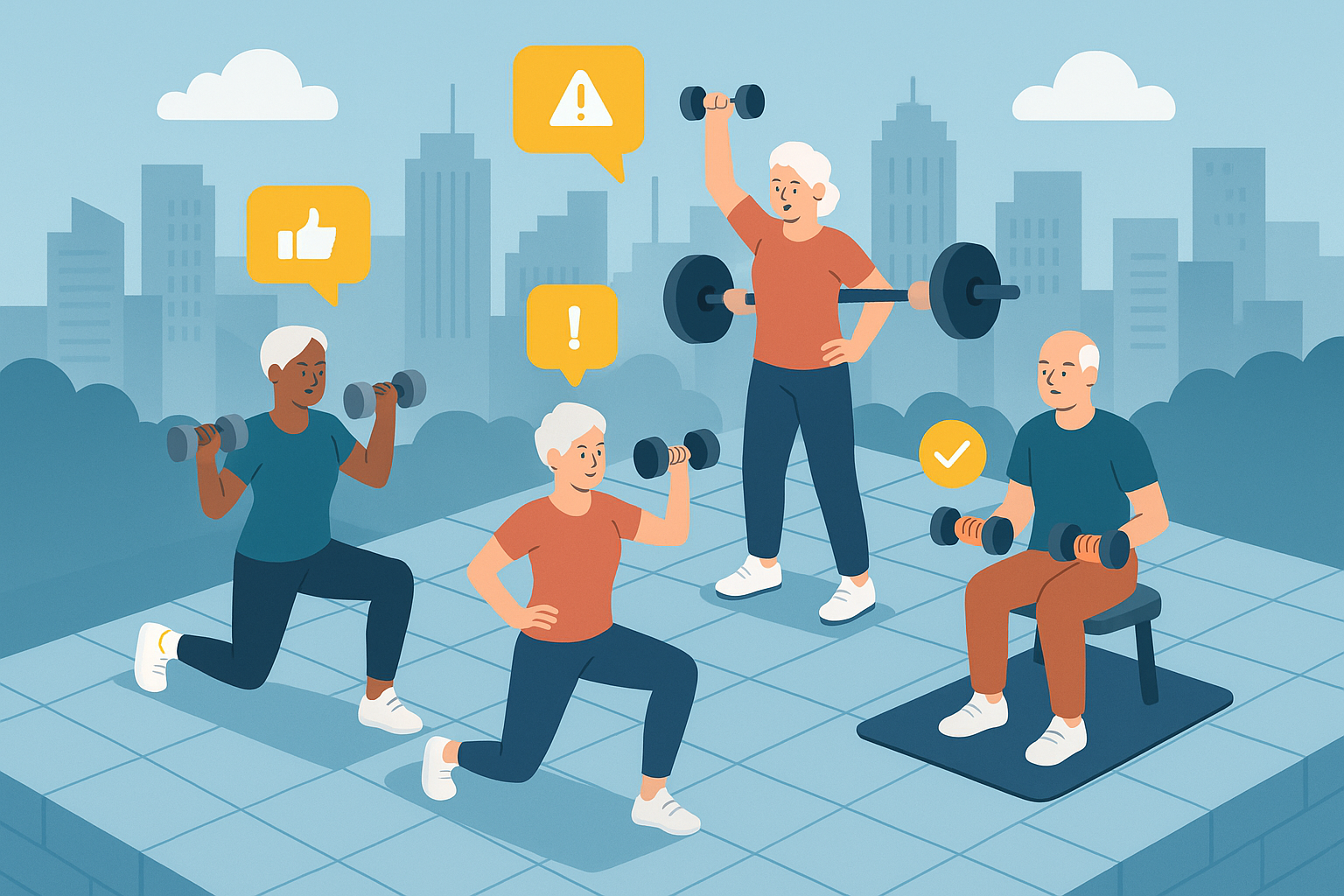
- I joined a virtual community (hello, fitgit.me) that valued sustainable habits over perfection, and digital insight over toxic grind culture.
This shift in narrative helped me go from trying to “lose weight” to building a life that didn’t revolve around just making scale progress—but sustainable, life-wide transformation.
The After: 50 Pounds Lighter and Infinitely More Present
Fast forward 14 months: I’m down 50 pounds. But more importantly, I sleep seven hours without guilt. I move with intention. I eat to feel good, not to escape deadlines. My calendar reflects both tasks and self-respect.
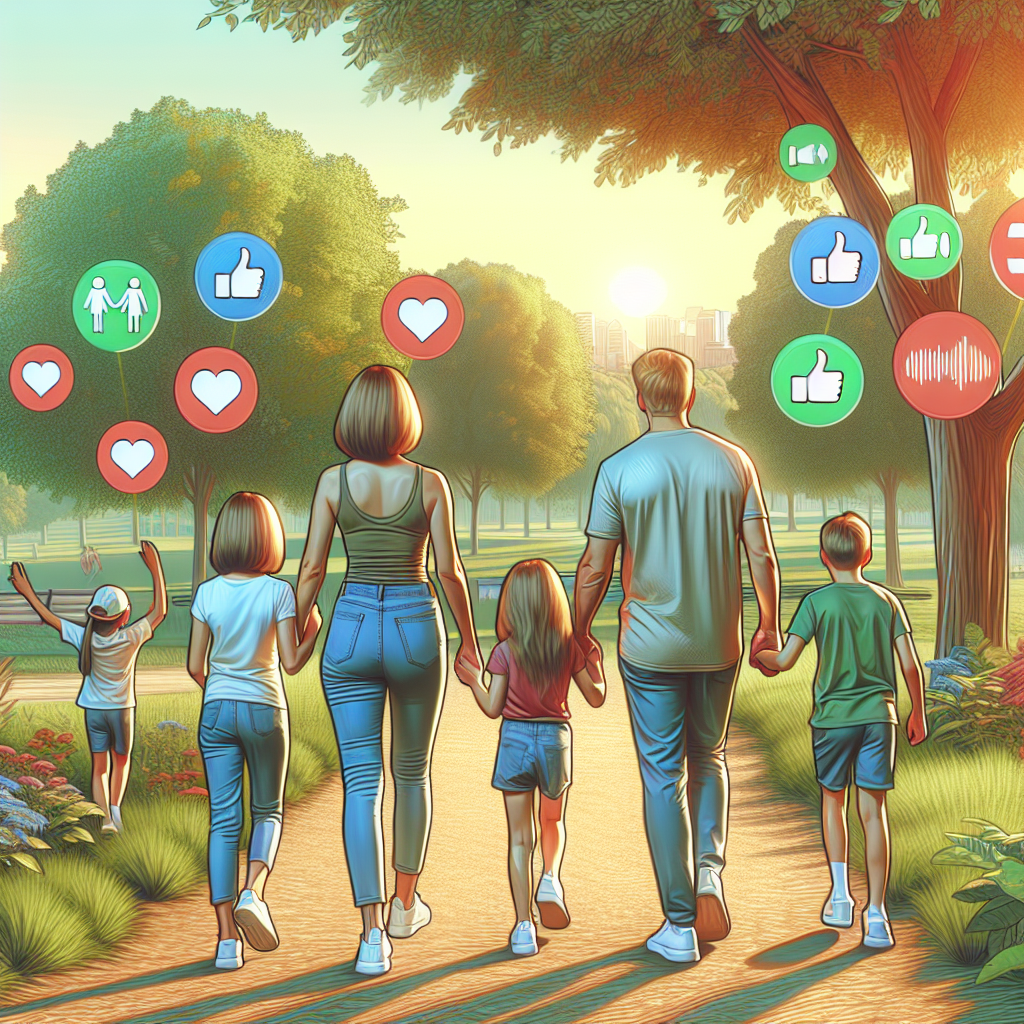
My morning daily routine now involves sunlight, movement, gratitude, and a digital detox window. I’ve become a stronger team leader, a more emotionally calibrated partner, and a happier human—all because I started small and stayed consistent.
People often ask, “What app did you use?” or “What’s your secret?” It’s less about tools and more about decisions. In truth, it started with one honest look in the webcam and a decision to own the version of me I wanted to scale.
Digital Doesn’t Mean Disembodied—You Can Build a Life and Stay Healthy
If you’re living deep in digital—product teams, content creation, UX planning—remember that thriving online should never come at the cost of fading offline. The key isn’t radical change. It’s rhythm. Repeatability. Realignment.
Start with one habit. Embed it into your schedule like you would a sprint ceremony. Treat your well-being like your most important product launch. Because it is.
You are not just what you push to production. You are what you live, repeatedly.
Conclusion: Transformation Isn’t About Perfection—It’s About Patterns
The post-transformation version of me didn’t arrive overnight. It was built, brick by brick, through habit stacking, micro-alignments, and a community that reminded me it was okay to fail—so long as I kept learning and iterating.
If you’re in the digital space and struggling with health, know this: You are not alone. You are not broken. And in true FitGit spirit—you can refactor your life.
Always remember to TTFBs!!!