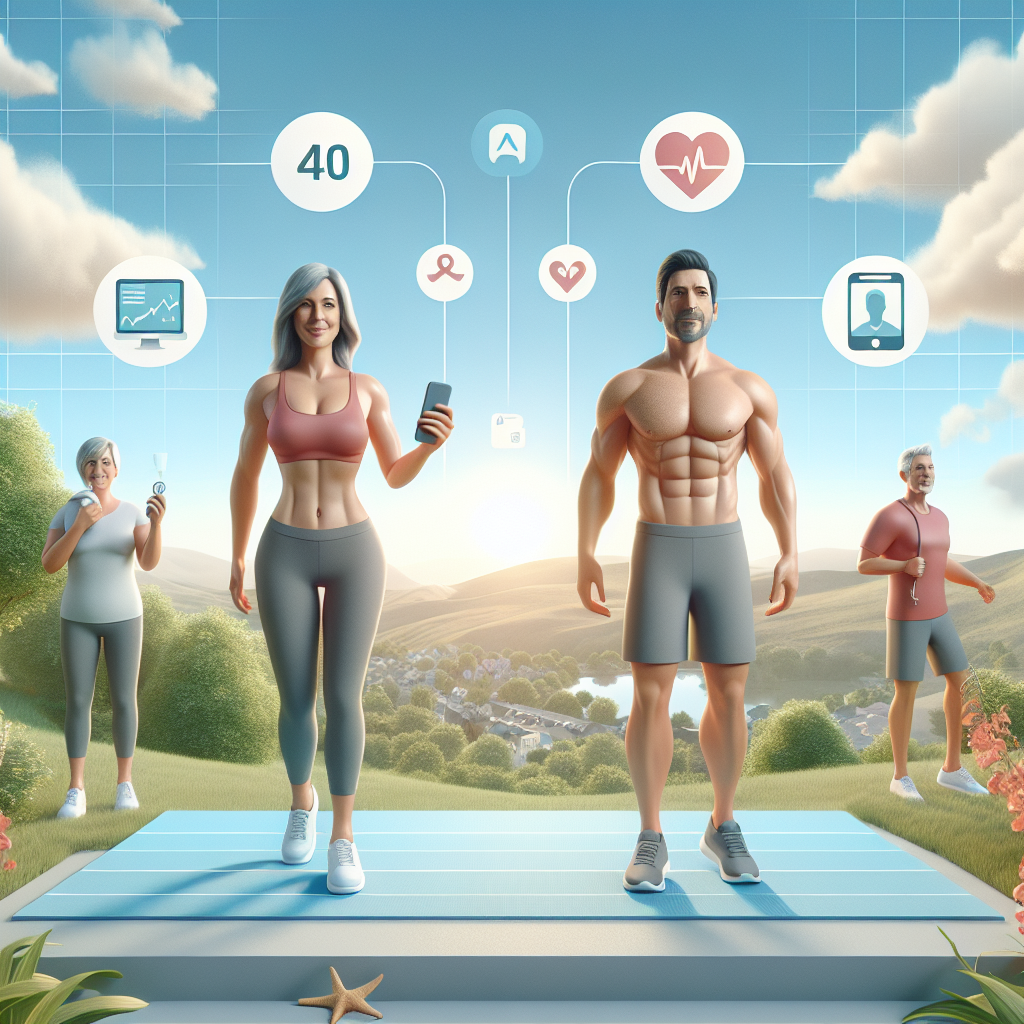
For solo trainers navigating the fast-paced digital industry, staying physically and mentally fit after 40 can feel like a balancing act on a Zoom call. At fitgit.me, we believe that no matter your age—whether you’re 42, 55, or 68—your wellness journey deserves fuel, focus, and a fearless attitude. And yes, those healthy habits? They’re still the digital MVPs. Let’s explore how fitness evolves with each decade and how to stay strong while syncing calendars and sipping cold brew.
Fitness in Your 40s: Rebooting the System
In your 40s, you’ve likely earned your place in the digital space—perhaps as a solo consultant, a freelance UX designer, or a coding ninja. But it’s also the time when your body sends gentle pings: slower recovery, stubborn weight, and creaky knees after long desk sessions. This is your wake-up push notification.
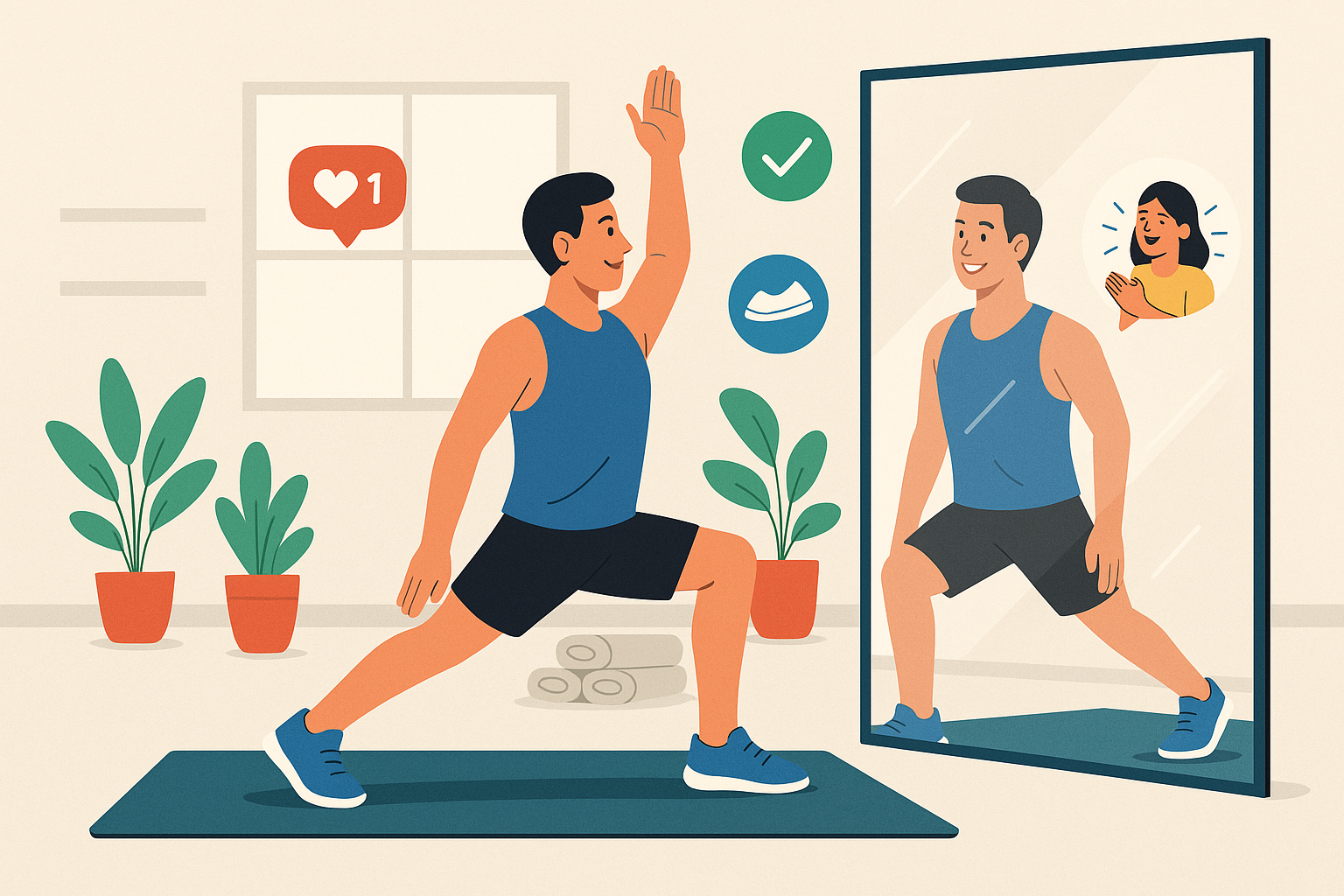
In this decade, consistency is king. Small, intentional actions compound over time—think 20-minute yoga flows between client calls, walking meetings, or swapping the vending machine for a protein-packed snack. Resistance training becomes essential to preserve muscle mass and bone density, while cardio keeps that heart in game-ready shape.
Your 40s aren’t about keeping up with the 20-year-olds—they’re about optimizing for longevity. Start tracking active minutes, build basic strength patterns, and find a rhythm that supports your lifestyle. Healthy habits like stretching daily or disconnecting by 9 PM go a long way in maintaining your energy flow.
Fitness in Your 50s: Code for Longevity
By your 50s, you’re probably thriving professionally—but body changes become more pronounced. Hormonal shifts, slower metabolism, and occasional brain fog might creep into your code base. But here’s the truth: your body is not broken; it’s just running on a new operating system that needs a custom update.
This is the time to double down on mobility, balance, and strength work. Pilates, swimming, or high-intensity low-impact training (HILIT) can feel sustainable and empowering. Function over aesthetics becomes your mantra—with a focus on maintaining independence, energy, and cognitive function.
In the digital world, it’s easy to get glued to screens and hide behind avatars. Taking purposeful time for movement and mindfulness can be a game-changer. Building in healthy habits—like standing desks, walking breaks, or weekend hikes—lets you reboot both your body and your bandwidth.
You’re not aging out; you’re leveling up.
Fitness in Your 60s and Beyond: Mastering the Legacy Code
If you’re solo training and over 60, you’re an inspiration to all. You’ve seen tech rise, digital trends evolve, and platforms come and go—but staying grounded in your wellness ensures you can keep showing up as your best self in both real life and remote meetings.
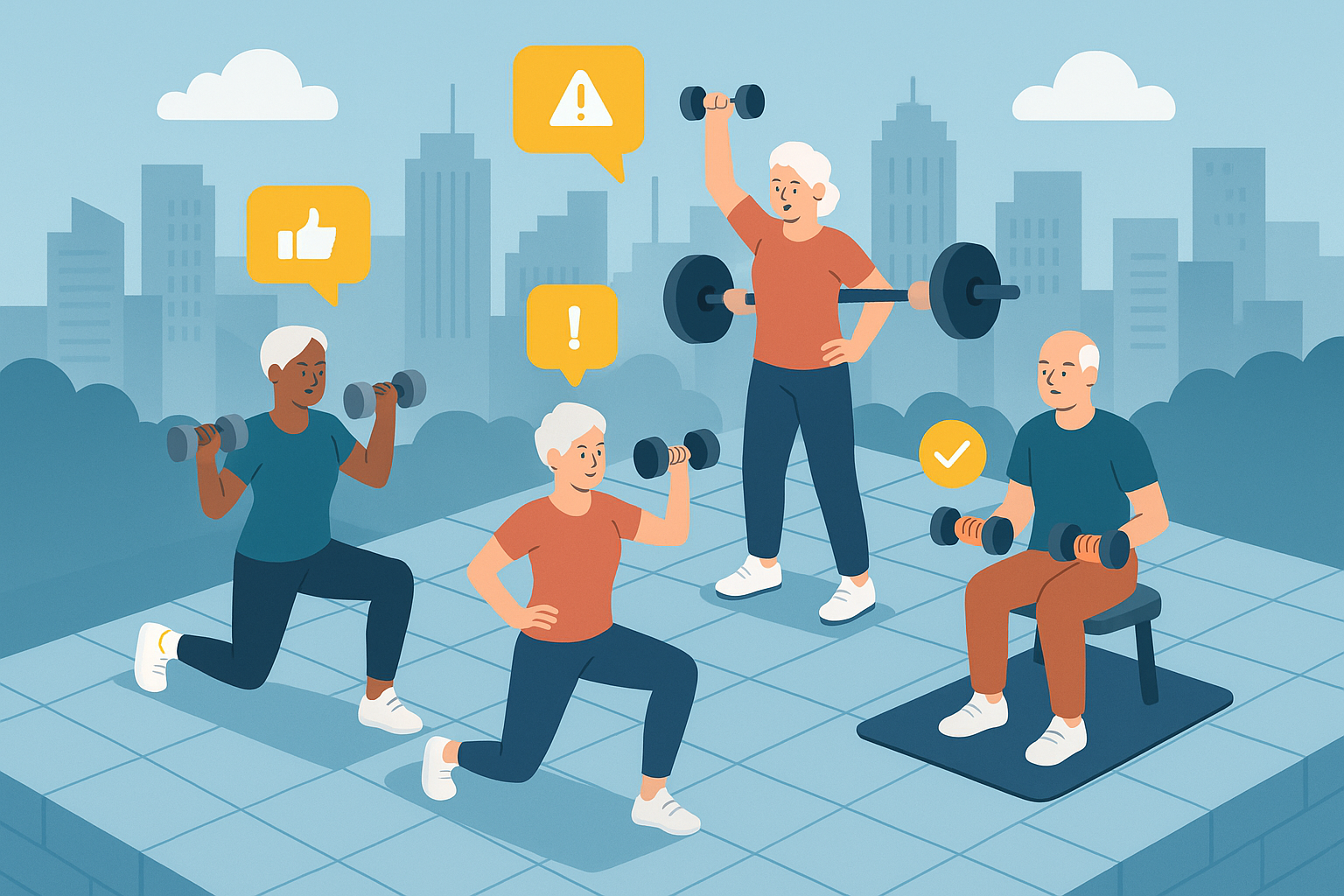
At this stage, functionality and sustainability are non-negotiables. Strength training helps prevent falls. Daily walks improve cognition and heart health. Gentle movement routines like Tai Chi or water aerobics offer low-impact options that feel good while keeping you strong. And don’t underestimate the power of community—whether it’s a neighborhood walking group or a virtual accountability circle through FitGit.
This isn’t a wind-down; it’s a fine-tuning. Your experience and wisdom are your biggest strengths. Keeping healthy habits at the core of your routine allows you to not only survive in the digital landscape—but thrive and mentor others on the same path.
Comparing the Decades: Same Mission, Evolving Methods
Regardless of your age, one thread ties everything together—your commitment to yourself. Each decade carries its own codebase to debug, rewrite, and optimize. In your 40s, you establish baseline routines. In your 50s, you adapt and refine. In your 60s+, you protect and preserve what matters most.
Healthy habits aren’t seasonal—they’re scalable. And whether your FitGit routine includes daily walks, strength circuits, or mobility flows, the key is to keep showing up, every day, even amidst pop-ups and pressures.
Because fitness isn’t about looking back—it’s about moving forward, one strong rep at a time.
Conclusion: It’s Never Too Late to Commit
Living well after 40, 50, or 60 isn’t just possible—it’s powerful. As a solo trainer in the digital space, you get to write your own version of success, with movement, mindset, and meaning coded right in. Prioritize those healthy habits, honor where you are, and keep focusing on small, consistent wins.
And of course, always remember to TTFBs!!!