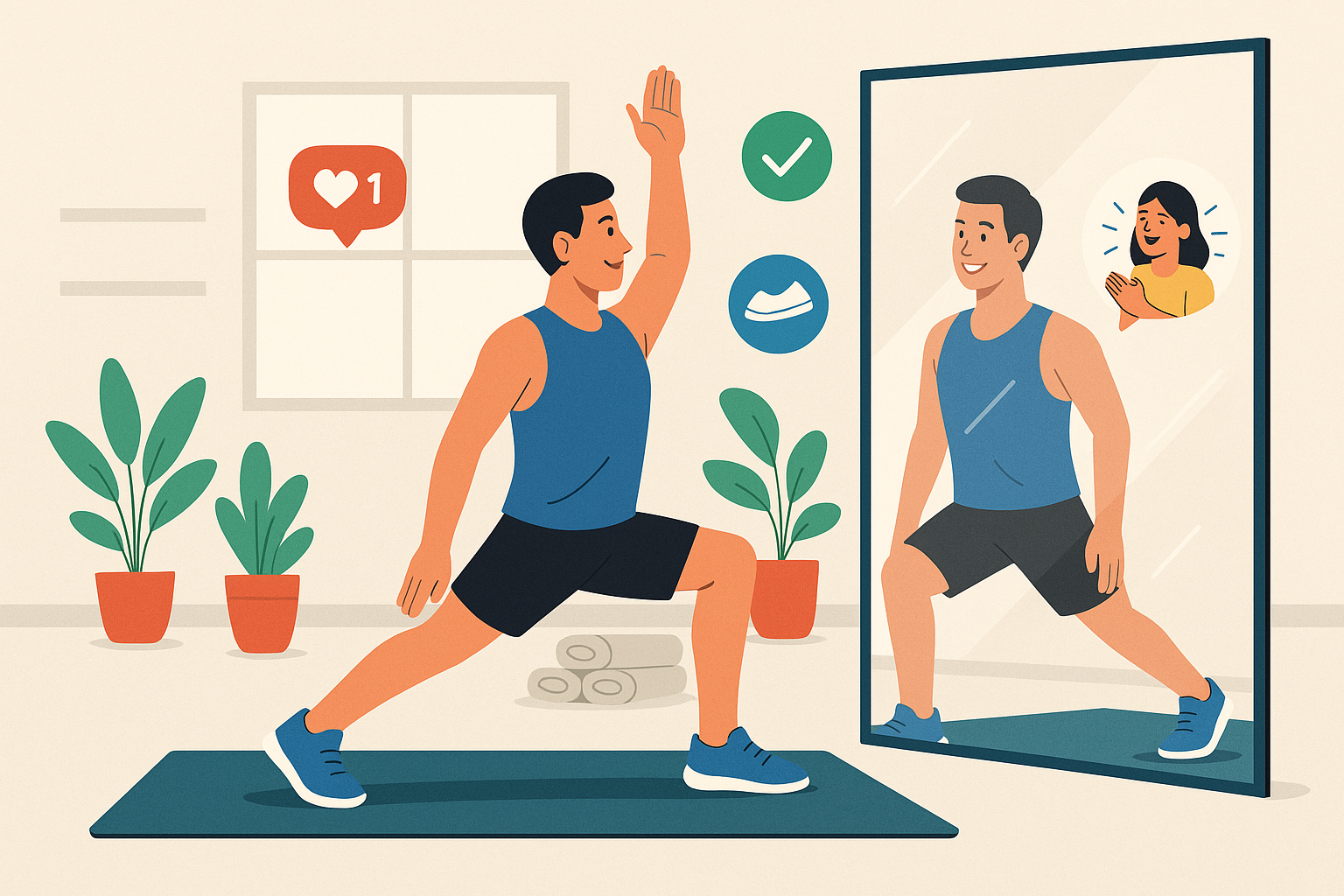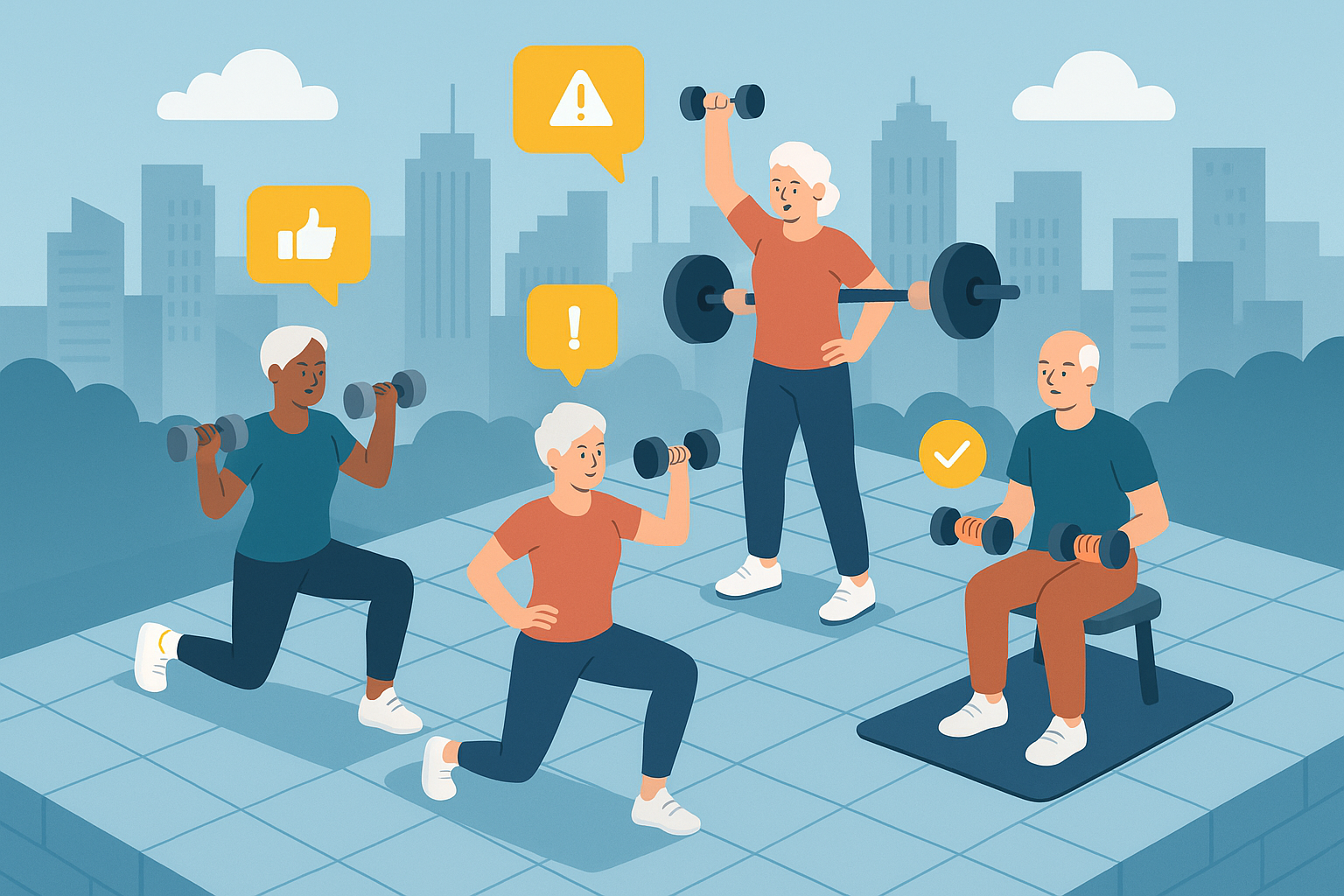
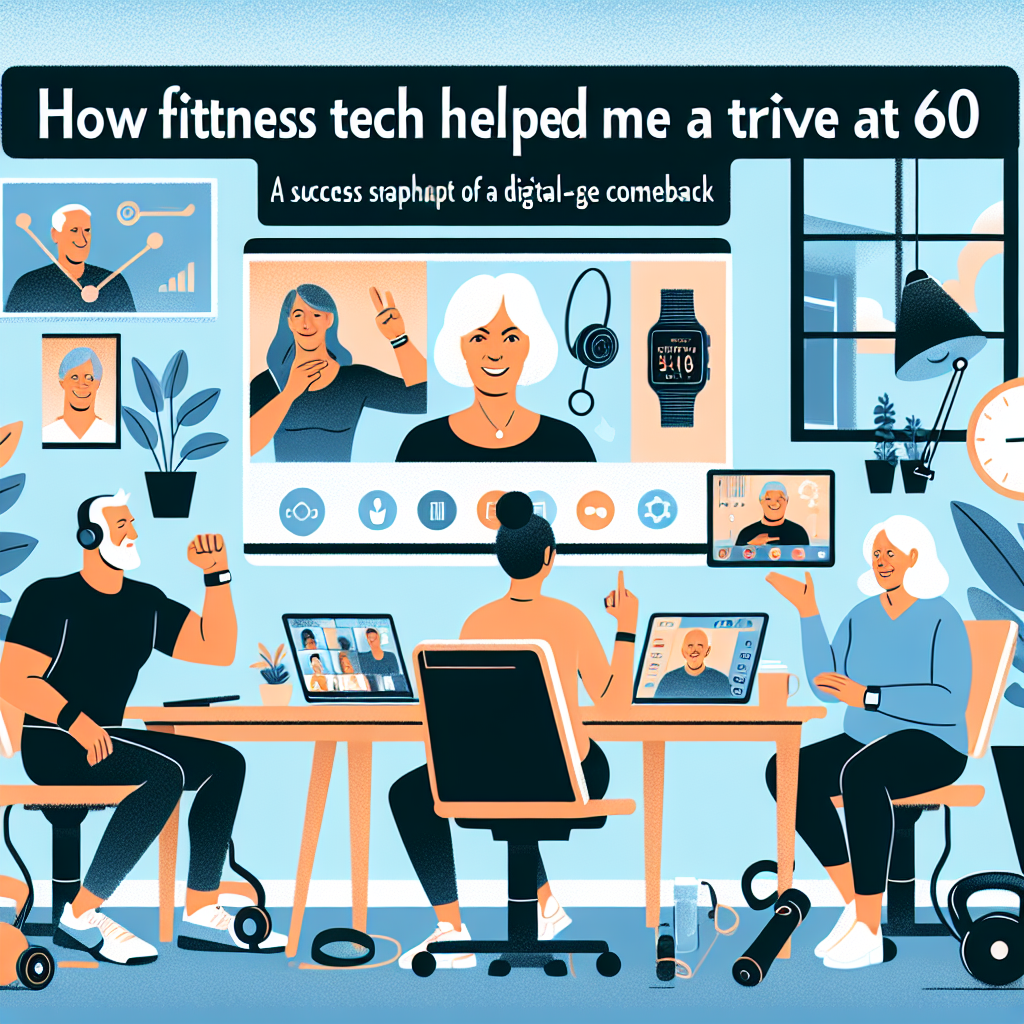
Starting a fitness journey after 40, 50, or even 60 can feel intimidating—especially in the whirlwind world of fitness tech. But what if I told you that technology isn’t just for the young or ultra-fit? That it can become your most powerful ally, especially when you’re restarting your health journey later in life? In this uplifting success snapshot, I’ll share how I embraced fitness technology at 60 and used digital tools like a training log to turn doubt into determination. This isn’t just a comeback—it’s a celebration of what’s possible at any stage of life.
Getting Started: Past Injuries, Low Energy, and a Family Wake-Up Call
At 60, I had more excuses than goals. I carried decades of wear-and-tear from my earlier years: an old knee injury, chronic fatigue, and a creeping sense that maybe fitness belonged to younger people. What changed? My daughter asked me if I’d be there to walk her down the aisle in five years. It hit me hard. I needed to take ownership of my health—but where to begin?
That’s when I stumbled upon the concept of using a training log—a digital habit tracker designed for people like me who need structure, encouragement, and data to stay motivated.
The Lightbulb Moment: Tech Isn’t the Enemy—It’s the Answer
I always assumed fitness tech was built for marathoners and gym influencers, not a semi-retired grandfather with a belly and back pain. But once I demystified how to use some simple tools, I realized that technology could actually simplify my life, not complicate it.
I started small: a digital step counter to make sure I moved every day, followed by a smartwatch that tracked my heart rate. Eventually, I discovered FitGit.me—a platform that didn’t just throw random metrics at me but offered a connected approach to well-being. It gave me access to a virtual training log that tracked my progress, reminded me of daily goals, and even sent motivational nudges when I hadn’t logged in for a few days.
The Power of a Digital Training Log
Here’s where the magic truly happened. Recording workouts manually had never worked for me, but with FitGit’s intuitive dashboard, I could log every walk, yoga session, and even physical therapy exercises. Over time, this training log became my health journal—a living story of effort, setbacks, and wins.
- Consistency through tracking: I could see patterns—like how my knee felt better after yoga and worse after skipping sleep.
- Data without overwhelm: The digital graph showed my activity level improving week after week without making me feel “not enough.”
- Momentum from milestones: My first 10,000 steps in a day felt like summiting Everest. And because I logged it, I could look back and remind myself what I was capable of.
Staying Fit After 60: A New Digital Lifestyle
I now call it my “digital wellness toolkit.” Beyond the training log, I use these simple tech tools that have made staying fit not only achievable but truly enjoyable:
- Wearable Heart Rate Monitor: A lifesaver to measure effort without overexerting myself.
- Sleep Tracker: Helped me understand how deep rest contributes to recovery and fat loss.
- Virtual Fitness Communities: Through FitGit’s forums, I now connect with people across the world who are also redefining what it looks like to be strong at 60.
Some people treat aging like a decline. But when you plug into the right tools, you’re not going downhill—you’re leveling up with experience, wisdom, and support.
Overcoming the Intimidation Factor as a Beginner
If you’re brand-new to fitness—or even to tech—please know this: you don’t need to be a hacker, cyclist, or abs-on-display athlete to benefit. Fitness tech today is designed for real people with real struggles. It’s inclusive, user-friendly, and built for longevity.
Think of your training log like a journal for your future self. It doesn’t judge. It listens, remembers, and encourages. That alone can transform how you feel when the going gets tough.
The Emotional Rewards You Didn’t Expect
After just three months, my blood pressure dropped, my energy soared, and I powered through a 5K walk with my wife—something I hadn’t done in 20 years. But the biggest win? I started to believe in myself again.
Fitness tech didn’t just change my body, it opened up my mindset. It gave me proof that everything I needed to thrive already lived inside me—I just needed the tools to unlock it.
Tips for Getting Started Without Overwhelm
Ready to begin? Here are my top tips for starting your digital fitness journey:
- Start with one tool: Whether it’s a Fitbit, smartphone app, or FitGit’s training log, focus on building one habit at a time.
- Set realistic goals: “Walk 500 more steps today” is better than “run a marathon next month.”
- Celebrate every success: Your first logged week? Huge. Pat yourself on the back and keep going.
- Join a community: Having digital support makes a massive difference. Share your progress, ask questions, and never go it alone.
- Don’t be afraid to fail: Miss a day? That’s okay. Your training log is a place of grace, not guilt.
What’s Next? Going Beyond the Comeback
Now that I’ve found my rhythm, I’m not just trying to stay fit—I’m aiming to thrive well into my 70s and beyond. With each new entry in my training log, I’m reminded that progress isn’t linear, but it is always possible.
If you’re over 40, 50, or 60, don’t let hesitation hold you back. Fitness tech isn’t about youth—it’s about you. It’s about tapping into your potential with tools designed to match your pace, your goals, and your incredible story.
Always remember to TTFBs!!! (Track The Fitness Basics!) Your journey starts one entry, one step, one smile at a time. And we’re cheering you on every digital heartbeat of the way.
The future of your health isn’t waiting in a gym—it’s in your hands.