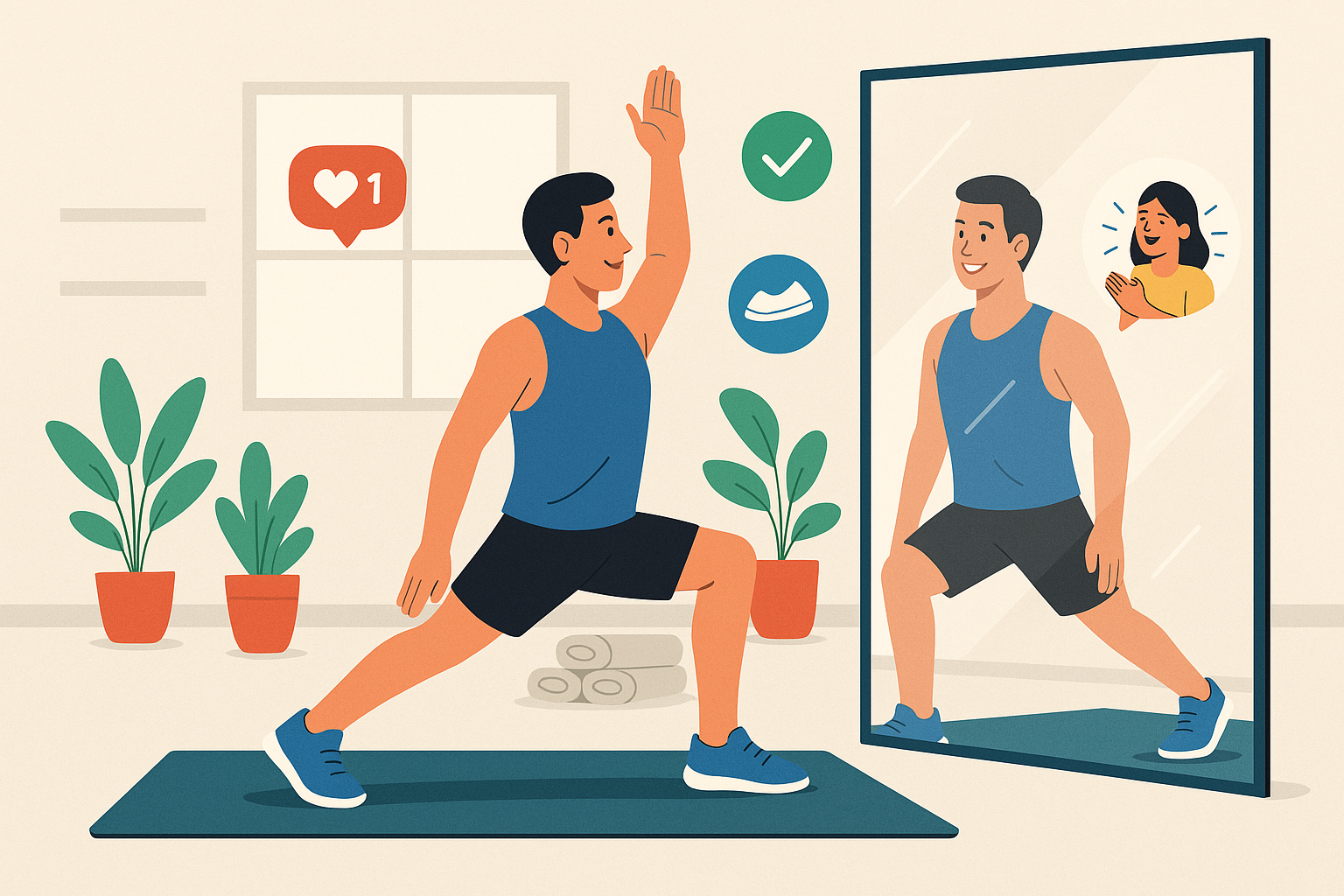

If you’re a fan of group fitness classes, you’re already familiar with the buzz of shared energy, the power of synchronized motion, and the motivation that comes from not wanting to quit before your neighbor does. But even in this high-energy environment, it’s easy to fall into the trap of measuring progress only through dramatic milestones — more reps, more weight, faster times. What we often overlook are the small victories that turn into game-changers over time. At fitgit.me, we believe that every micro-win deserves its moment, and with the right workout tracker, those moments don’t get lost.
The Quantitative Trap: Why Numbers Don’t Tell the Whole Story
Step into any fitness app or studio and you’re immediately bombarded with numbers: calories burned, steps taken, resistance levels hit. While these metrics are useful, they often create a binary system — improvement or failure — with little room for nuance. In group classes, where equipment and variables might change from day to day, the numbers can lie. Just because your heart rate wasn’t as high this time doesn’t mean the workout was less effective. And just because you didn’t hit a new PR doesn’t mean you didn’t grow.
That’s where the grounded perspective comes in: true progress is layered, and sometimes masked. It lives in how you regain your breath faster, how your posture improves, how you shift from surviving to controlling every movement. But these are hard to log — unless you’re using a workout tracker that accounts for trends and context, not just data points.
Effort vs. Output: A Comparative Look
Let’s compare two hypothetical weeks in a spin class:
- Week 1: You push hard, hitting 85% of your max effort and burn 500 calories.
- Week 2: You slept poorly but still showed up and paced yourself at 70%, burning 450 calories.
On paper, Week 1 looks better. But what if Week 2 reflects greater consistency and mental resilience? What if navigating fatigue is part of a bigger win? A smart workout tracker like what fitgit.me enables doesn’t just log calories and RPMs — it shows your pattern of showing up. It connects that “slower” week to your overall trend of recovery, balance, and sustainability. In the digital fitness age, context is king.
My Small Wins: A Realist’s Progress Profile
Over the last few months, I started logging more than just my metrics. I used the fitgit.me workout tracker to note down feelings, mental energy, modifications, and heart rate recovery. Here’s what I’ve learned:
- Recovery Time Shrunk: I might not always go heavier, but I’m breathing naturally faster post-round.
- Consistency Over Intensity: Showing up for 4 classes a week without burnout beat cramming in 6 and crashing.
- Better Form, Fewer Injuries: I’m not chasing the leaderboard; I’m owning my pace, and I haven’t had a strain since.
- Confidence Spiked: I no longer fear high-intensity intervals — I just adapt with faith in my foundations.
The Role of Tracking in Emotional Wins
Not all important progress is about physical output. Group class lovers know the emotional hurdles: committing to a 6 a.m. class after a rough night, staying in it when the instructor cues a set you dread, or even just walking through the studio doors when anxiety hits hard. These are victories worth recording.
That’s where your workout tracker becomes a journal too. At fitgit.me, we see it not just as a tool for analysis — but a space for recognition. Logging “Today, I showed up despite feeling off” might not win you trophies, but it builds your trajectory story over time. In digital fitness, we often chase metrics. But tell me: which lasts longer — a number or a narrative?
Group Progress, Individual Growth
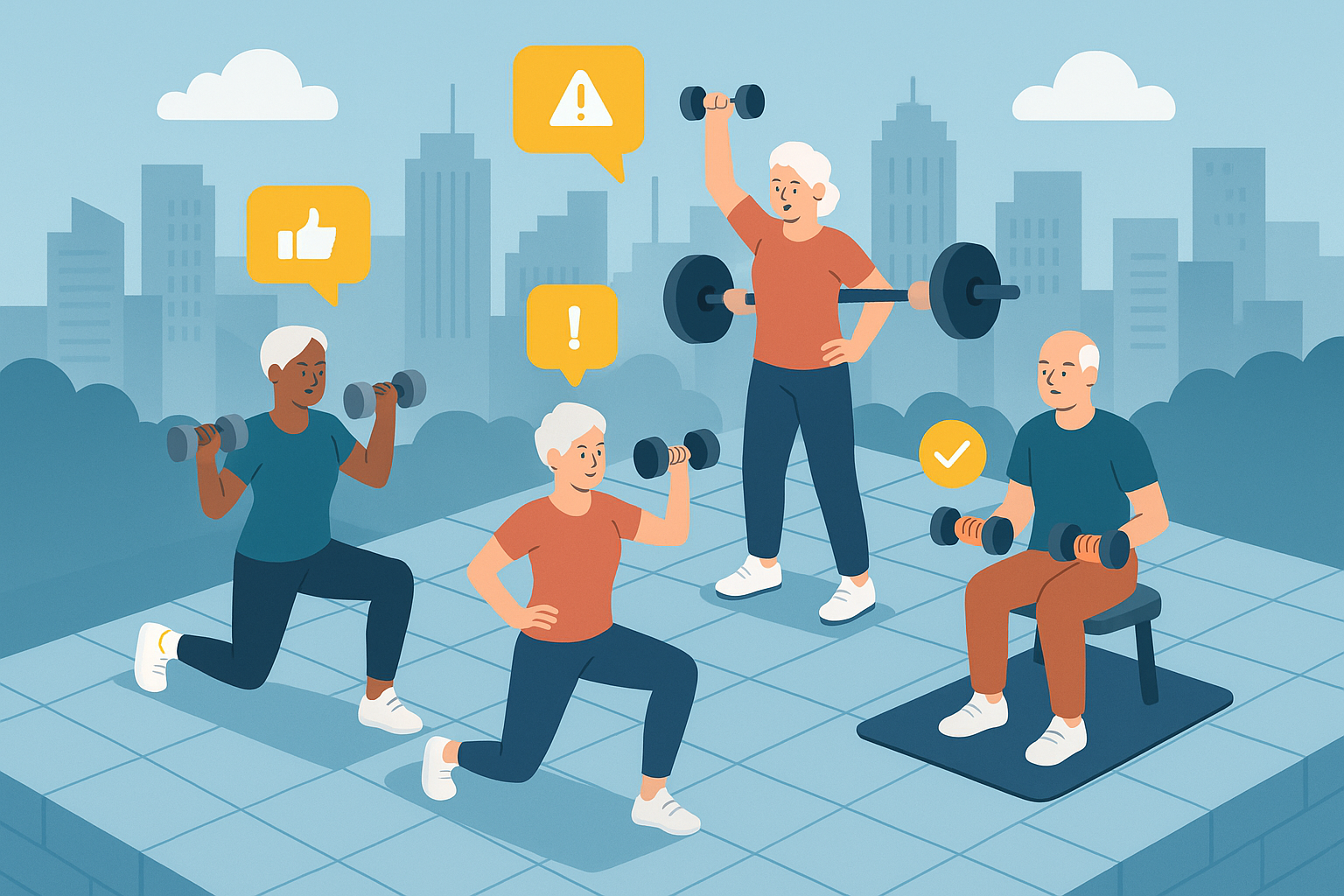
In any given class, someone’s dancing on their peak while another’s battling to keep up. The beauty of group fitness is not the uniformity of pace, but the collective drive drawn from highly individual journeys. Tools like fitgit.me let each member own that uniqueness — to compare, sure, but more importantly, to understand. To realize that today’s “only 30 minutes” still trumps yesterday’s “none at all.”
Building that story behind your numbers doesn’t just make you a smarter athlete — it makes you a more resilient human. And that means something outside the gym too.
Conclusion: Redefining Progress in a Digital Fitness World
If you look only at calories, PRs, and leaderboard rankings, you’ll miss the quiet evolution happening just beneath. That yoga class where you breathed steadily through your first crow pose. That bootcamp session you didn’t leave early. Small wins. Major shifts.
Next time you check your workout tracker, ask yourself not just when you peaked — but when you persisted. At fitgit.me, we’re here to help you track it all: the stats and the stories behind them.
Always remember to TTFBs!!!